
Last updated November 24, 2026
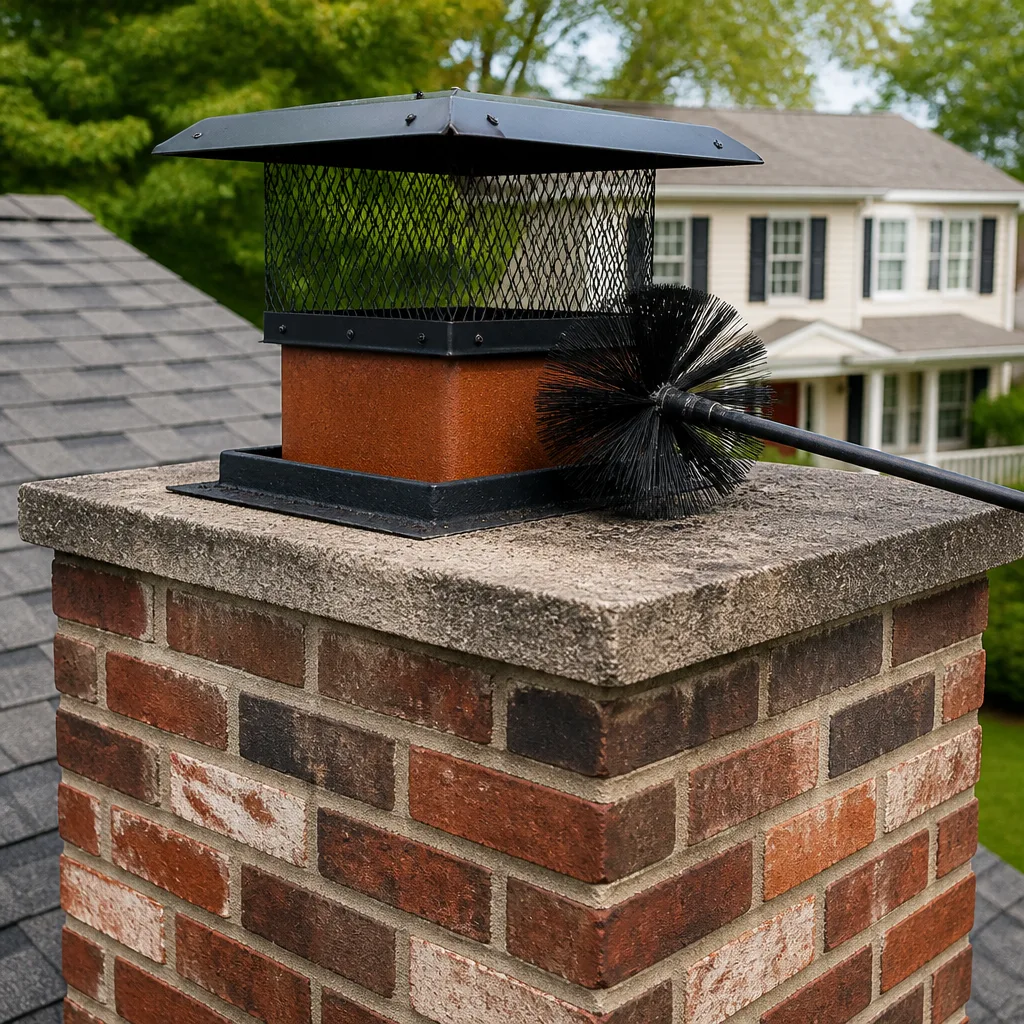 Sweep & inspection
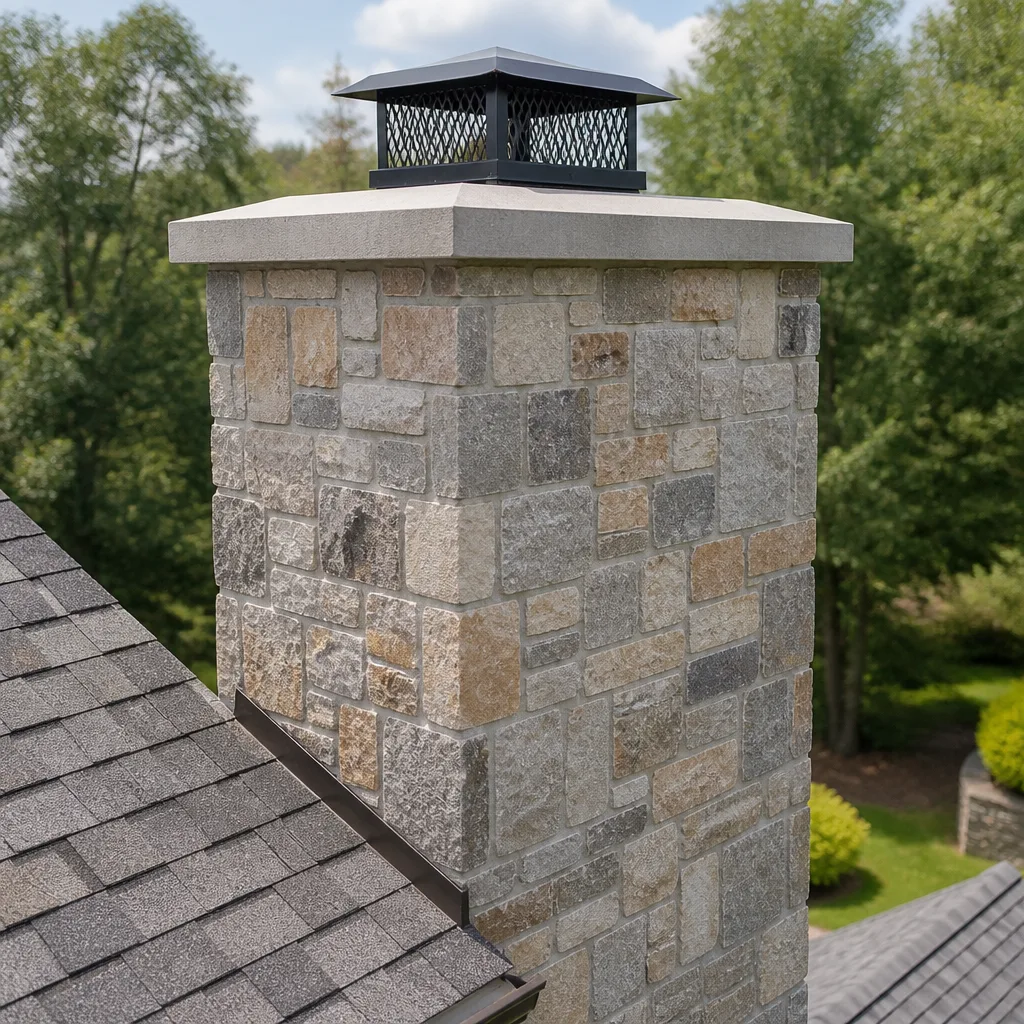 Caps & crowns
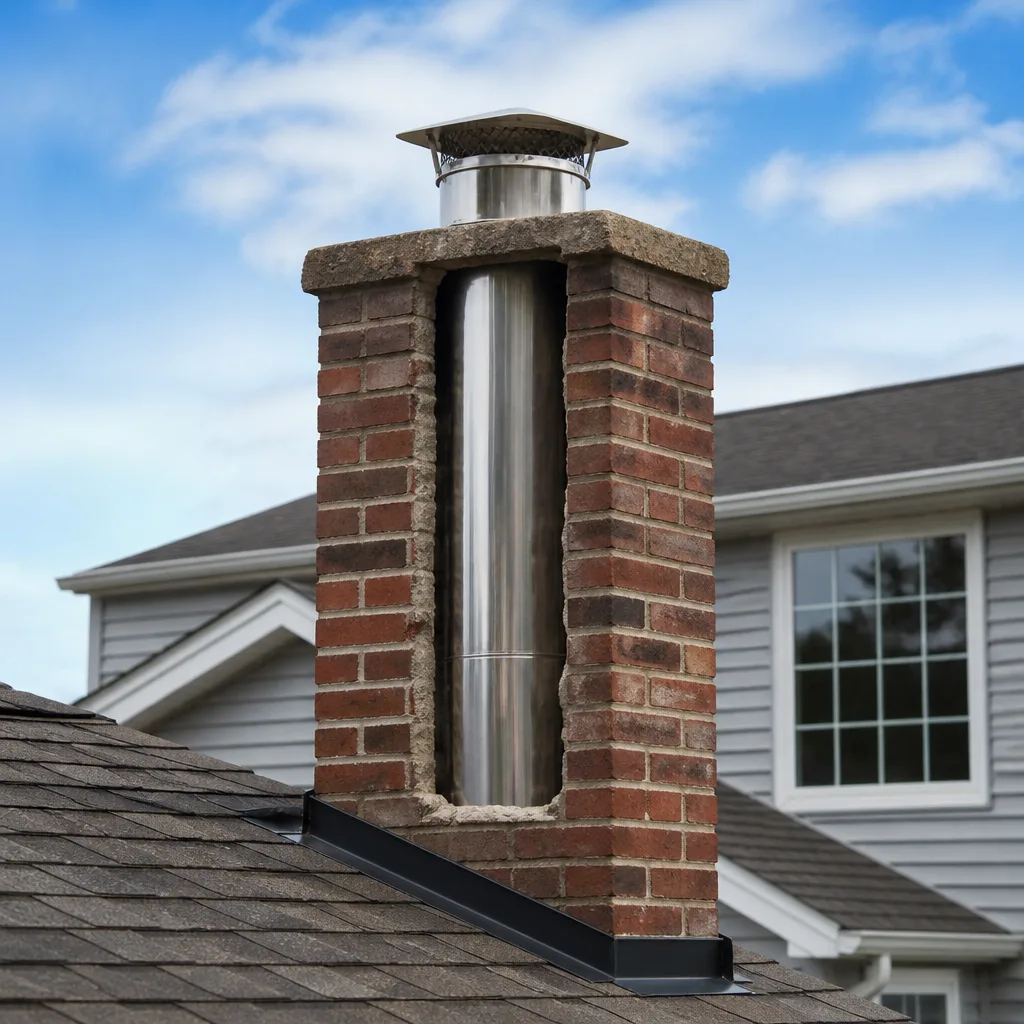 Flue relining
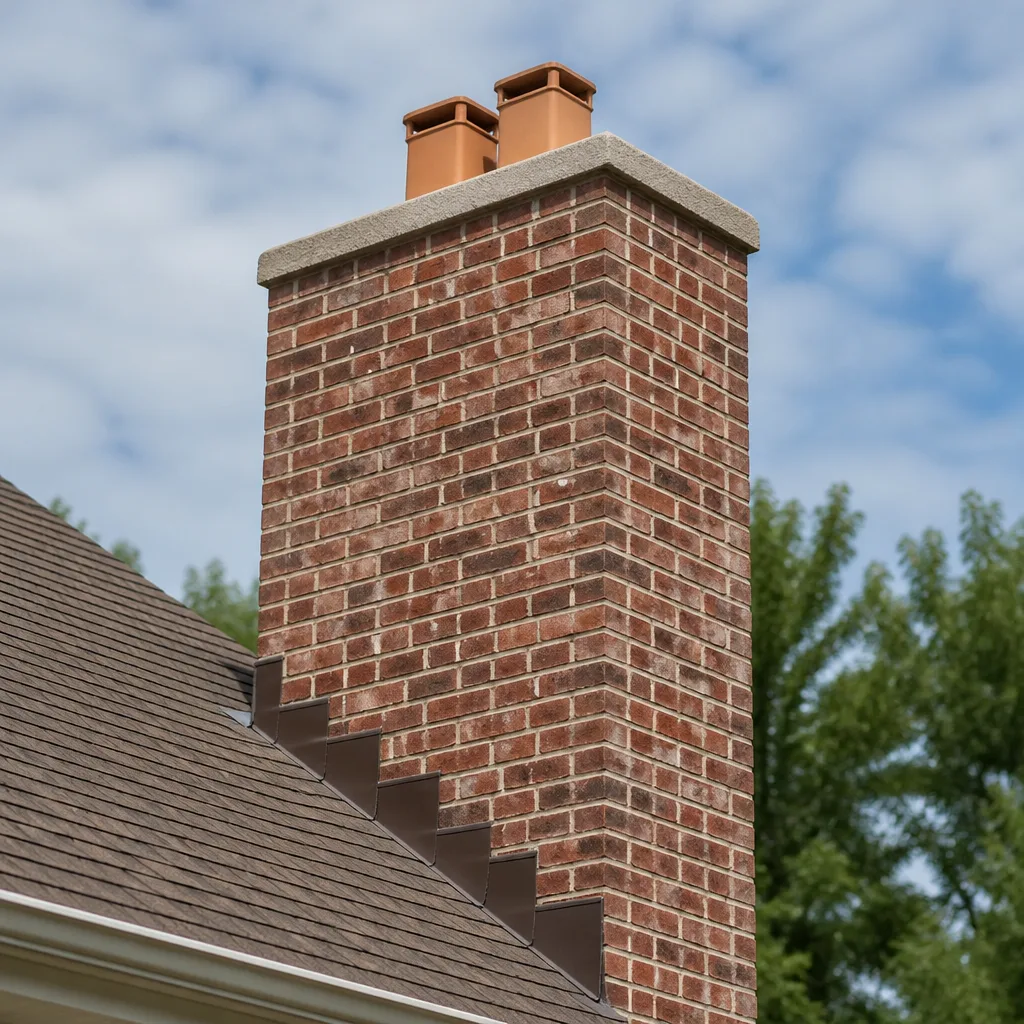 Masonry repair
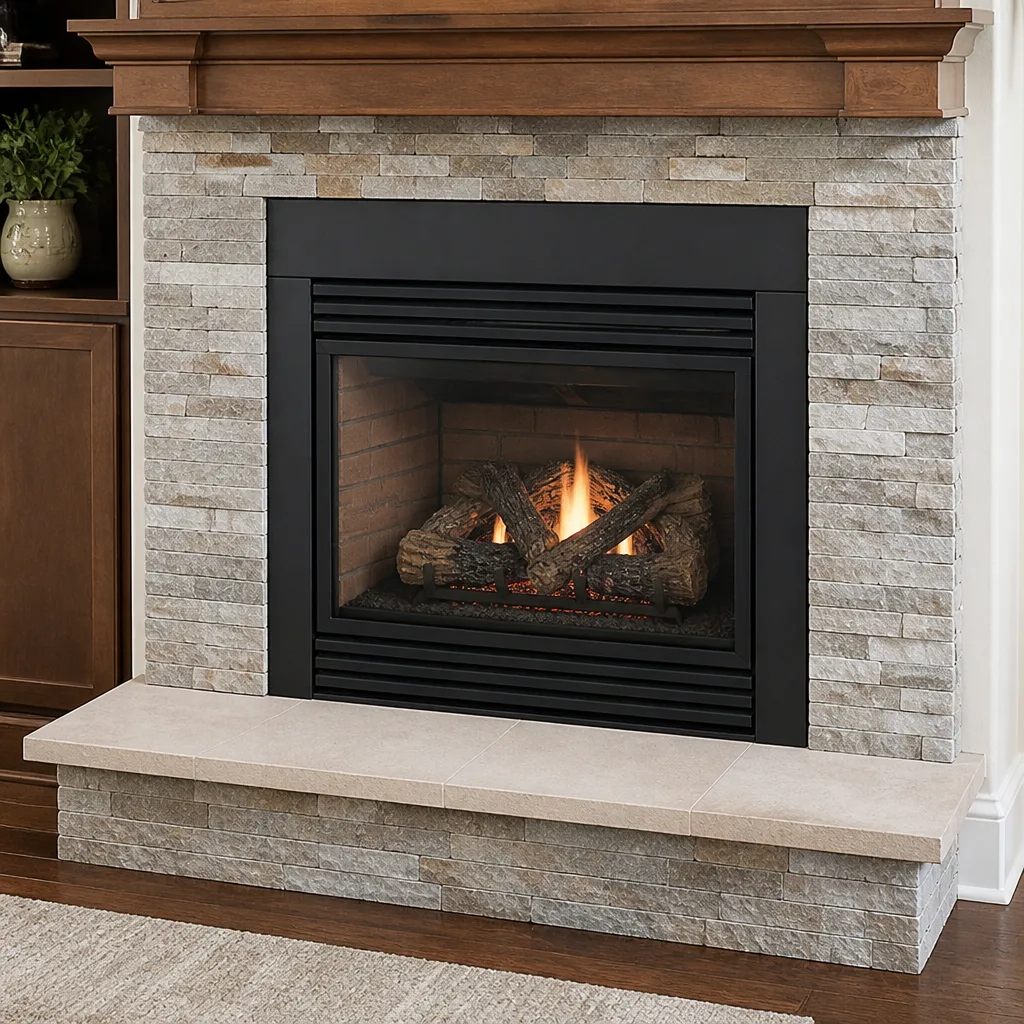 Gas fireplace service
Level 1 sweep and inspection to the NFPA 211 annual standard - flue, crown, cap, and flashing checked and photographed
Chimney sweep logs do not sweep chimneys. They loosen some creosote - which then falls where a brush and vacuum still have to collect it.
Chimney Cleaning Emergency Preparedness Guide for Highlands Homes
Most homeowners know to call 911 if the chimney is on fire. Almost none know what to do in the 90 seconds before the fire department arrives, and that gap is where structural damage gets decided. A chimney fire can sound like a freight train or a low roar, and the wrong reaction (throwing water on it, closing the damper, running outside to watch) can make things worse. This guide walks through what a chimney emergency actually looks and sounds like from inside a Highlands home, how to prepare before one happens, and what to do after. Highlands sits at elevation where winter windstorms and hard freezes put real stress on flues, so the stakes here are higher than in milder climates.
Quick Answer
A chimney emergency plan for a Highlands home has three parts: know the warning signs of a chimney fire and the correct first actions, install working carbon monoxide detectors on every level along with a fireplace-specific extinguisher, and never relight a chimney after any fire event until a Level 2 inspection clears it. Preparation happens before winter, not during it. A swept, inspected flue and a properly fitted cap prevent most of the failures that turn a cozy evening into an evacuation.
Styles & brands we work with
- Sweep & inspection
- Caps & crowns
- Flue relining
- Masonry repair
- Gas fireplace service
Table of Contents
- What a Chimney Fire Looks and Sounds Like From Inside Your Home
- The First 90 Seconds: Actions That Contain Damage
- Carbon Monoxide Risks Specific to Chimney Failures in Highlands
- What to Have on Hand Before Winter
- Post-Event Protocol: Why a Surviving Chimney Still Can’t Be Used
- Winter-Specific Emergency Planning for Highlands
- What to Tell Your Insurer Immediately After a Chimney Incident
- Prevention: The Sweep and Inspection Schedule That Prevents Most Emergencies
What a Chimney Fire Looks and Sounds Like From Inside Your Home
A chimney fire doesn’t always look like a fire. Most of the time you won’t see flames at all. What you’ll notice is a sound and a feeling. From inside the room, a chimney fire often sounds like a low rumble, a roar, or a series of popping cracks moving up the flue. It can sound like a train passing in the distance or a heavy wind gust that doesn’t stop. Some homeowners describe a vibration in the fireplace surround. Others notice the stovepipe or the chimney breast getting hot to the touch in an abnormal way.
Here’s what to watch for from a safe distance:
- Sound: A sustained roar, rumble, or popping from the flue rather than the crackle of a normal fire.
- Smell: A hot, acrid, or metallic smell, or smoke backing into the room even with the damper open.
- Sight from outside: Dense smoke or sparks coming from the top of the chimney, or a glow visible at the crown.
- Heat: The chimney breast, hearth surround, or nearby wall feeling unusually hot.
- Discoloration: Warped or discolored damper, cracked flue tile visible through the firebox, or a loud cracking sound.
In Highlands, the wind makes this harder. A downdraft during a winter windstorm can push smoke back into the room and mimic some of these symptoms. That doesn’t mean it’s not a fire, and it doesn’t mean it is. Either way, treat the symptoms seriously and evacuate if you’re unsure. The one thing you should never do is open the firebox door wide to “check.” That feeds oxygen to a fire already burning in the flue. If you’ve never had your flue inspected, our Chimney Sweep Highlands team can tell you what condition yours is in before something like this happens.
The First 90 Seconds: Actions That Contain Damage
What you do in the first minute and a half determines how much of the house the fire department has to deal with when they arrive. The instinct to throw water on a chimney fire is wrong, and it’s dangerous: water on a creosote fire can flash to steam and spray burning material, and water on a hot flue can crack tiles. Here’s the sequence that contains damage rather than making it worse.
- Get everyone out and call 911. Do this first. People out of the house, then the call. Don’t stop to gather belongings.
- Close the firebox door or glass doors. If the fireplace has doors, close them. This cuts oxygen to the fire and keeps burning material from spilling into the room.
- Close the damper. Shut it on the way out if you can reach it safely. Starving the fire of air is the single most useful thing you can do to limit how hot it gets.
- Shut off the gas line if the fireplace is gas-fired, if you know where the shutoff is and can reach it on your way out.
- Don’t spray water into the firebox. Let the fire department handle it. If you have a fireplace-specific extinguisher, use it only for a fire that has spread into the room, not for one still in the flue.
- Move cars and clear the driveway. If you’re safely outside, make it easy for the fire department to reach the house.
The Highlands wind can drive smoke into the house even when you’ve done everything right, so keep doors closed on the way out. The goal in these 90 seconds is simple: no one gets hurt, no oxygen feeds the fire, and the fire department has a clear path. Everything else can wait.
Carbon Monoxide Risks Specific to Chimney Failures in Highlands
Carbon monoxide is the quiet failure mode of a chimney. A chimney that looks fine can still be venting CO back into the house because of a blocked flue, a cracked liner, or a downdraft. That’s why chimney emergencies in Highlands deserve attention beyond the visible fire. The mountain wind patterns, the freeze-thaw cycles, and the older housing stock all raise the risk of ventilation failure.
The failure paths that matter most:
- Blocked flues: Nests, leaves, soot buildup, or a collapsed liner section can block the flue entirely. Combustion gases then have nowhere to go but back into the living space.
- Cracked liners: A hairline crack in a clay tile liner is enough to leak CO into the walls of the chimney chase. The fire still burns, the smoke still goes up, and the CO leaks invisibly.
- Downdraft events: Highlands windstorms can push air down the chimney, spilling smoke and CO into the room even with a well-drafted flue. A chimney cap helps, but wind-driven downdrafts still happen.
- Blocked caps: A cap that’s been clogged by debris or a bird nest is one of the most common causes of CO backup in homes that otherwise have good drafting.
CO has no smell and no color, and early symptoms (headache, dizziness, nausea) are easy to write off as a cold or altitude. Install CO detectors on every level and outside every sleeping area, and test them monthly. If a detector alarms and you can’t identify the source, get out and call 911 before you do anything else.
What to Have on Hand Before Winter
Preparedness is a shopping list more than a state of mind. Before the colder months hit a Highlands home, these items should be on hand and in working order:
- CO detectors on every level, outside sleeping areas. Test them monthly. Replace the batteries on a schedule you’ll actually remember.
- A fireplace-specific extinguisher. A standard ABC extinguisher is better than nothing, but a Class A or a chimney-specific product is what you want for a fireplace area. Keep it within reach of the hearth but not directly beside the fire.
- A working flashlight. Power outages and smoke make the house dark faster than you’d expect.
- A written evacuation plan. Who gets the kids, who gets the pets, where everyone meets outside. A plan nobody has practiced isn’t a plan.
- A note with the chimney sweep and fire department numbers. Not in your phone only. On paper, on the fridge, where anyone can find it in the dark.
- A spare heat source that doesn’t rely on the chimney. Space heaters, a generator, whatever is safe for your home, so you’re not forced to relight a compromised fireplace to stay warm.
Winter in Highlands can bring hard freezes and high winds, and a chimney failure that leaves a home without heat isn’t just inconvenient. It’s a safety problem, because improvised heating (unvented space heaters, gas ovens, kerosene) has its own CO risk. Have the backup ready before you need it.
Post-Event Protocol: Why a Surviving Chimney Still Can’t Be Used
A chimney that survives a fire without visible damage still can’t be used until it’s inspected. This is the part most homeowners get wrong. A chimney fire hot enough to burn creosote can crack liner tiles, warp a damper, or open gaps in mortar joints, and none of that is visible from the room. The fire is out, the house is fine, and the fireplace looks normal. That’s precisely when a second, slower problem starts.
The post-event steps, in order:
- Don’t relight the fireplace. Not until it’s been inspected. Not “just to test it.” Not once, not briefly.
- Call the fire department and let them clear the scene. They’ll tell you what they observed.
- Schedule a Level 2 inspection. A Level 2 inspection includes a camera-based look at the flue interior, which is where fire damage hides. It’s the standard after any chimney fire.
- Document what happened. Photos, the fire department report, the date. You’ll need all of this for the insurer and for the sweep.
- Don’t clean or repair the flue yourself. A damaged liner can look intact from the top and be cracked lower down. What you do to “fix” it can spread soot into the house or make the damage worse.
A Level 2 inspection is what tells you whether the liner is intact, whether the joints still hold, and whether the chimney is safe to use again. Inspect first, recommend honestly is the only order that works after a fire. Our chimney sweep service includes a camera inspection with a photo report you can see for yourself, which matters when you’re deciding whether to spend money on a repair or whether the chimney is fine to use.
Winter-Specific Emergency Planning for Highlands
Highlands winters bring two things that other climates don’t: sustained high winds and hard freeze-thaw cycles. Both stress a chimney in ways that show up as emergencies. Planning around them is different from planning in a milder climate.
What a Highlands winter plan should include:
- A backup heat source sized for the house. Losing the fireplace to a failure in January is a heat problem, not just a comfort problem. Have a safe alternative ready and know how to run it.
- Emergency contacts posted in the house. Chimney sweep, fire department, insurer, and a neighbor who can help. The chimney sweep and fire department numbers belong on paper, not only in a phone that might be charging in another room.
- A plan for wind events. Highlands windstorms can cause downdrafts and blow embers. Keep the cap in good condition and know what to do if smoke backs into the room.
- A cold-weather check of the chimney before the season. A sweep and inspection before the first fire of the year is cheaper than an emergency call in the middle of a cold snap, and it catches most of the problems that would otherwise become emergencies.
- An agreed meeting place and a practiced drill. The 90-second window doesn’t leave room for figuring out the plan in the moment.
The wind matters more than most Highlands homeowners realize. A modern cap does more than keep rain out. It’s a wind and animal barrier, and a cap that’s been blown loose or clogged is a real failure point. Our chimney cap & crown work is a dedicated service for that reason, not an afterthought tacked onto a sweep.
What to Tell Your Insurer Immediately After a Chimney Incident
Call your insurer the same day, before you start cleaning up or moving anything. What you tell them in the first conversation shapes how the claim goes. Be specific and stay factual.
Have these details ready:
- The date and approximate time of the incident.
- What you observed (sound, smoke, glow, smell) and what actions you took.
- Whether the fire department responded and the report number or contact if you have it.
- Visible damage: cracked tiles, warped damper, smoke staining, heat damage to the surround, water damage from firefighting.
- Whether the chimney and fireplace had been swept or inspected recently, and by whom.
Ask the insurer two questions directly: whether a Level 2 inspection is required for the claim, and whether you can choose your own chimney professional or have to use an approved one. Most policies let you choose, but ask. The inspection report and the photo documentation from the sweep are usually what the insurer works from. Don’t let a contractor start repair work before the insurer has seen the inspection findings. If the fire department has cleared the scene and you’re waiting on the insurer, a camera inspection report is the document that moves the claim forward.
Prevention: The Sweep and Inspection Schedule That Prevents Most Emergencies
Most chimney emergencies are preventable, and the prevention is boring: sweep and inspect on a schedule. The National Fire Protection Association recommends chimneys be swept and inspected annually, and more often for heavy use. In Highlands, an annual sweep before the heating season is the baseline. Homes that burn frequently, or that burn green or unseasoned wood, need more frequent attention.
Here’s what a prevention routine actually looks like:
- Annual sweep and inspection before the first fire of the season. This catches creosote buildup, blockages, and early liner damage while they’re still cheap to fix.
- Burn seasoned wood. Dry wood produces less creosote, and creosote is the fuel for most chimney fires.
- Keep the cap in place and intact. A damaged or missing cap lets in water, animals, and debris, all of which become blockages or drafting problems.
- Watch for the small signs between sweeps. Smoke backing into the room, a harder-to-start fire, or a damper that doesn’t seal are early warnings worth a call.
We install and work with a curated lineup of professional-grade brands, including HeatShield for liner resurfacing and Olympia Chimney and Gelco for cap and crown components, which matters when a repair has to hold up through a Highlands winter. When a sweep turns up a deteriorating flue, HeatShield resurfacing can often restore it rather than requiring a full liner replacement, and a DuraFlex flexible liner handles the offset and complex flue configurations that rigid liners can’t navigate. A repair done with trade-grade materials is built to last, not patched to pass. One crew, one call, from the firebox to the crown.
Common Mistakes to Avoid
- Throwing water on a chimney fire. Water on burning creosote can flash to steam and spray burning material, and water on a hot flue can crack tiles. Close the damper, get out, call 911.
- Opening the firebox door to “check.” That feeds oxygen to the fire. Keep the doors closed and evacuate.
- Relighting a fireplace after a fire without a Level 2 inspection. The fire being out doesn’t mean the flue is intact. A second fire in a damaged flue is far more dangerous than the first.
- Skipping the annual sweep because “it looks fine.” Creosote and cracked liners are invisible from the room. The most common cause of a chimney fire is a flue the homeowner thought was clean.
- Running a fireplace with a clogged or missing cap. Debris and animals block the flue, and a blocked flue is a carbon monoxide path. Check the cap after Highlands windstorms.
- Calling the insurer after the cleanup. Call the same day, before anything is moved, so the claim reflects what actually happened.
- Hiring a generalist for a chimney repair. A handyman who sweeps on the side may not have the camera, the materials, or the training for liner work. The wrong repair is worse than no repair.
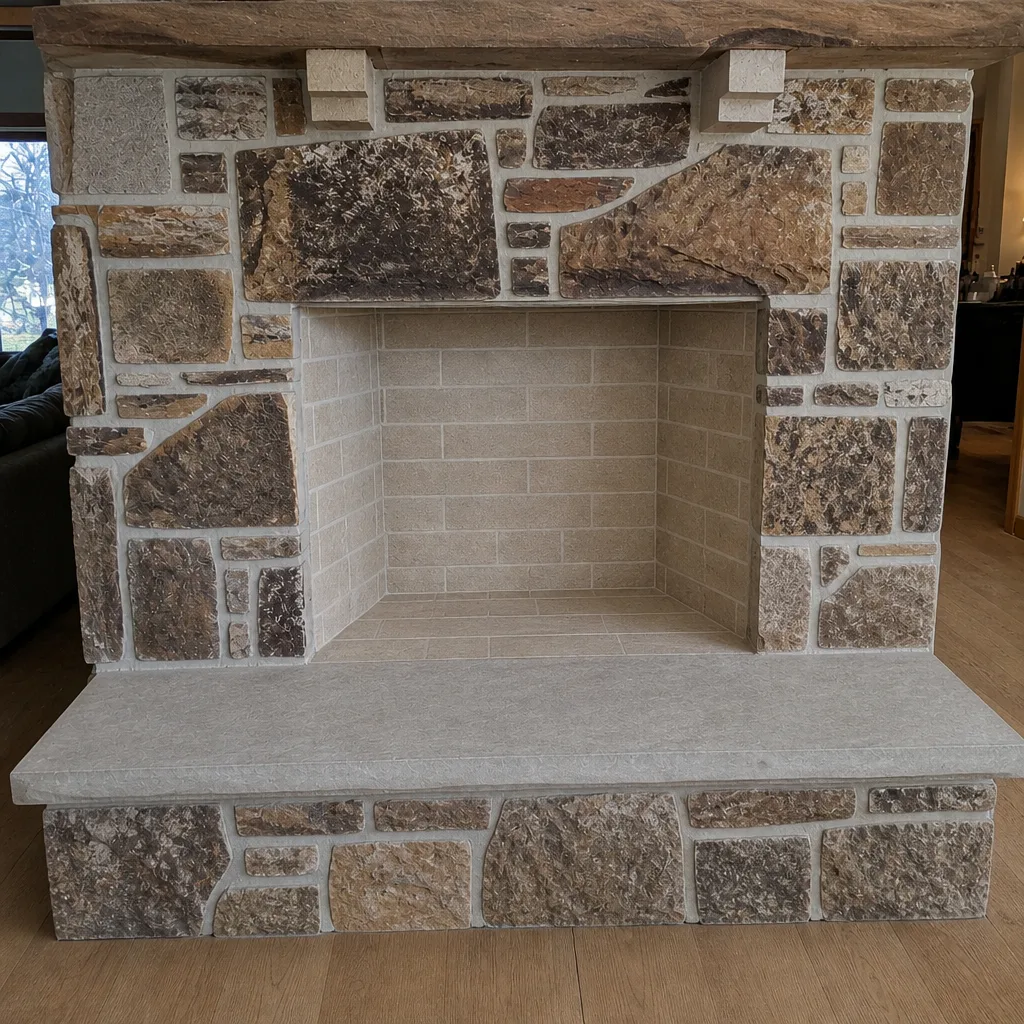
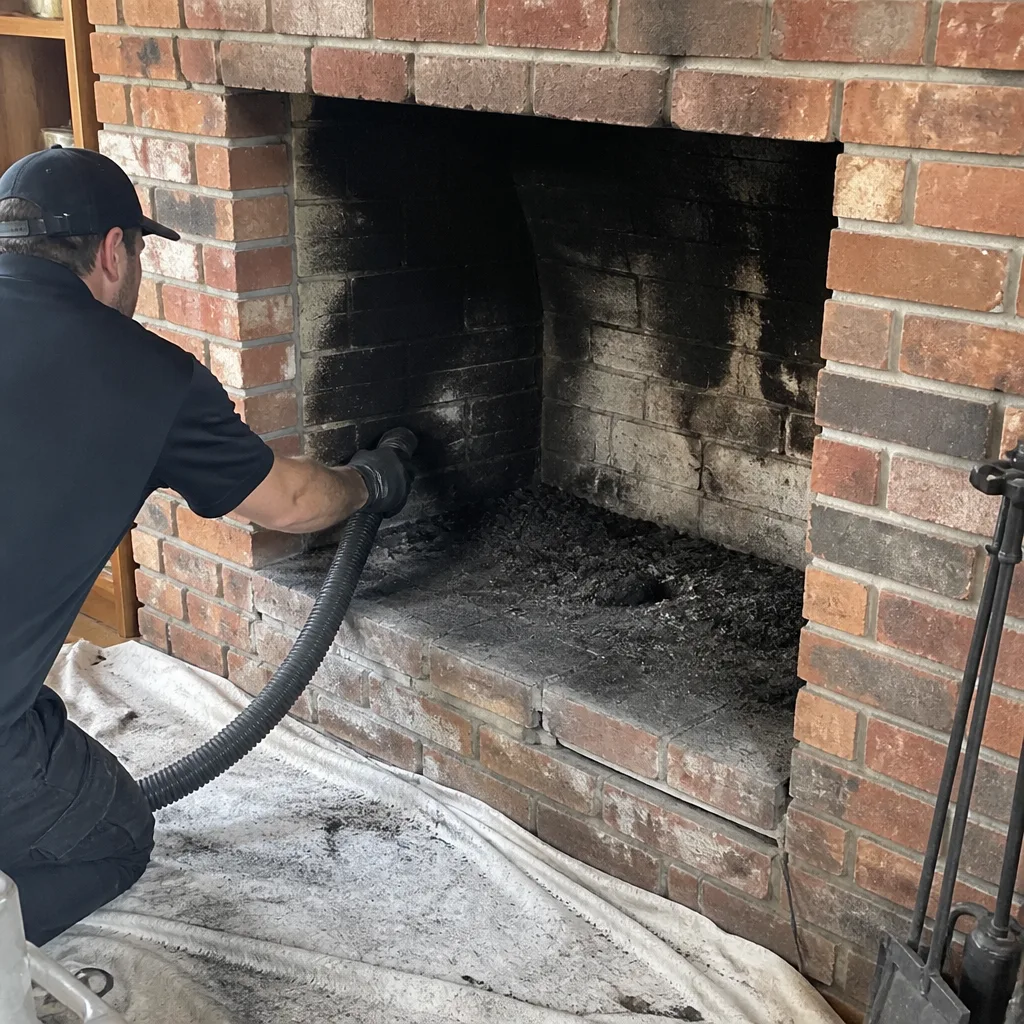
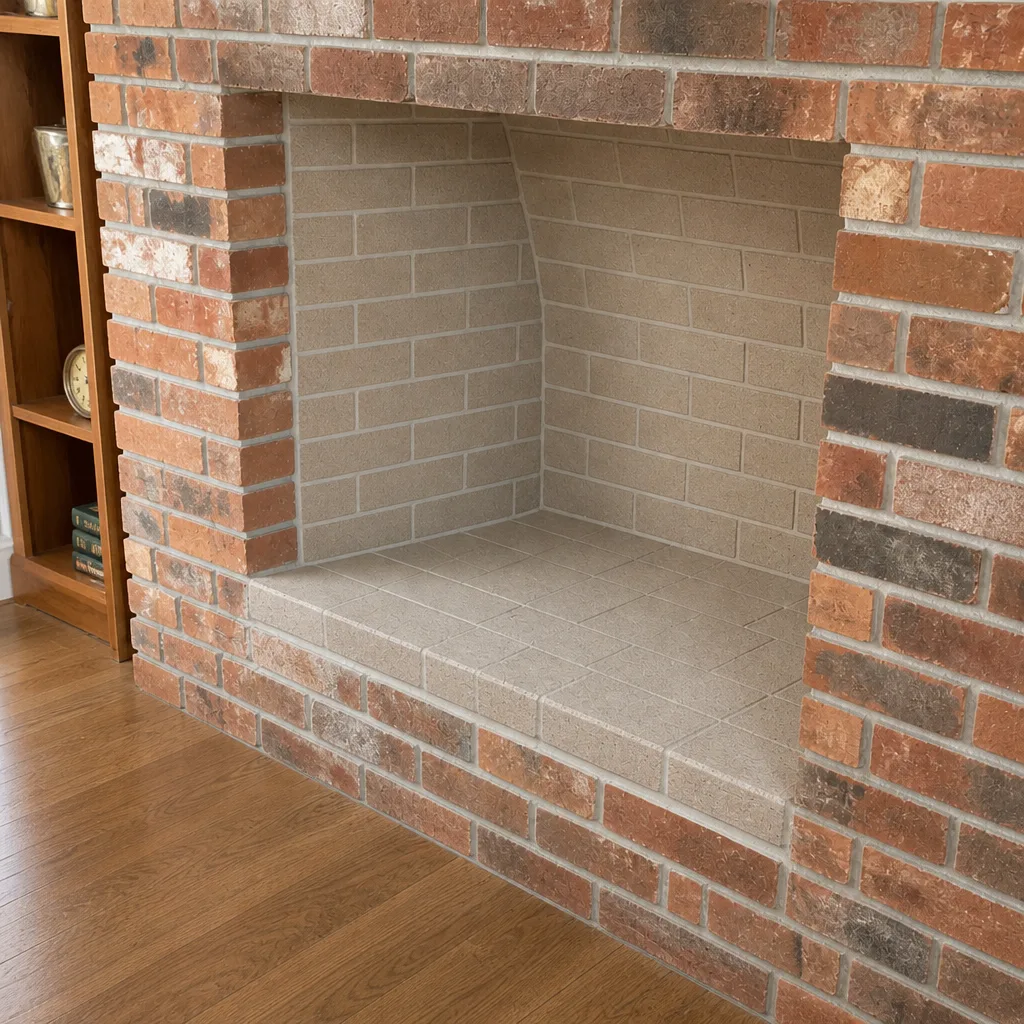
See the difference
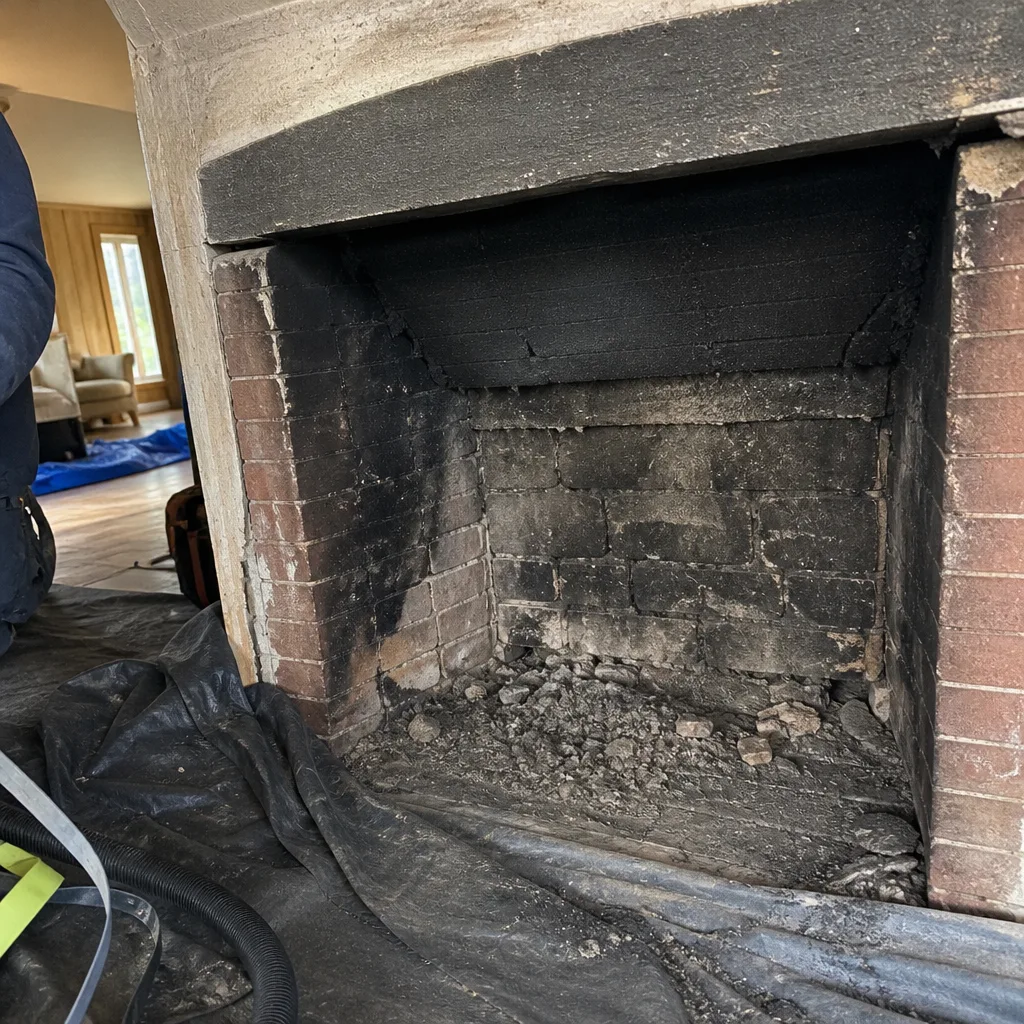 Before
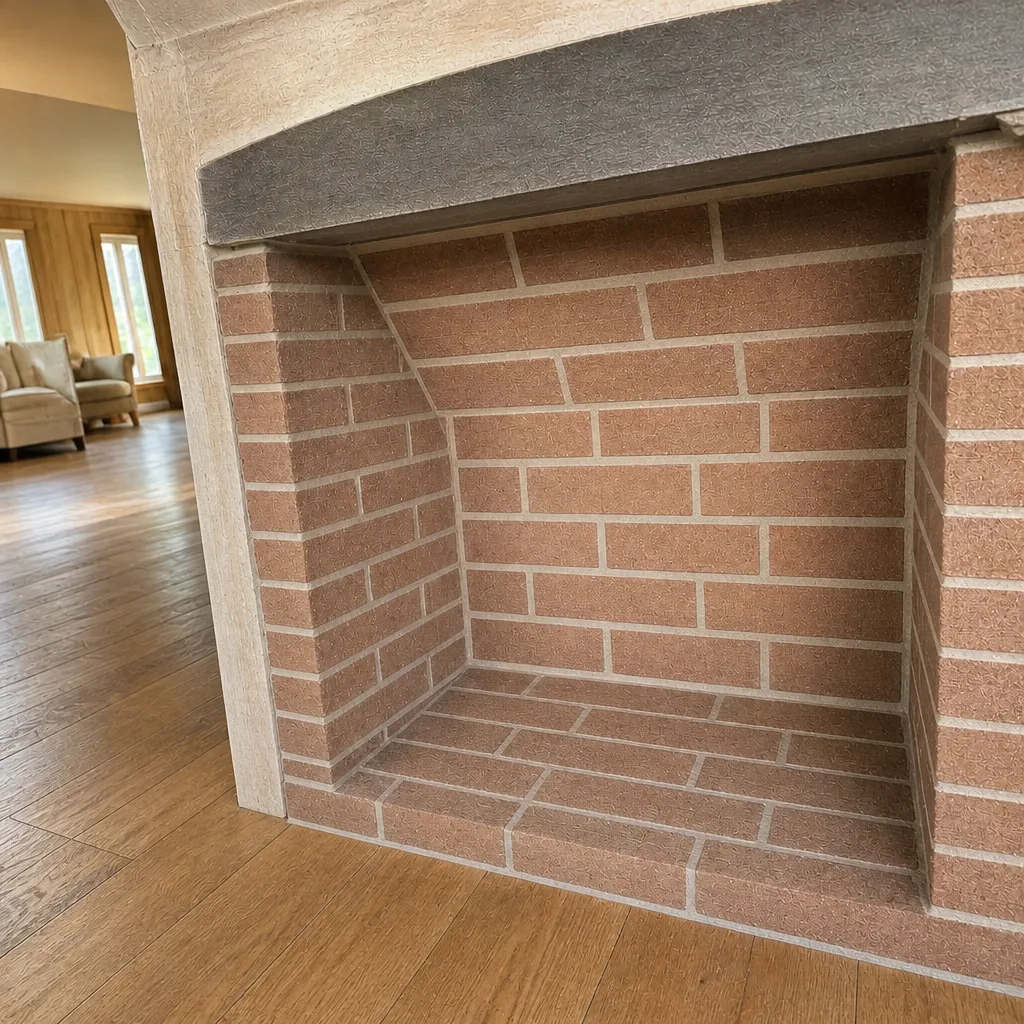 After
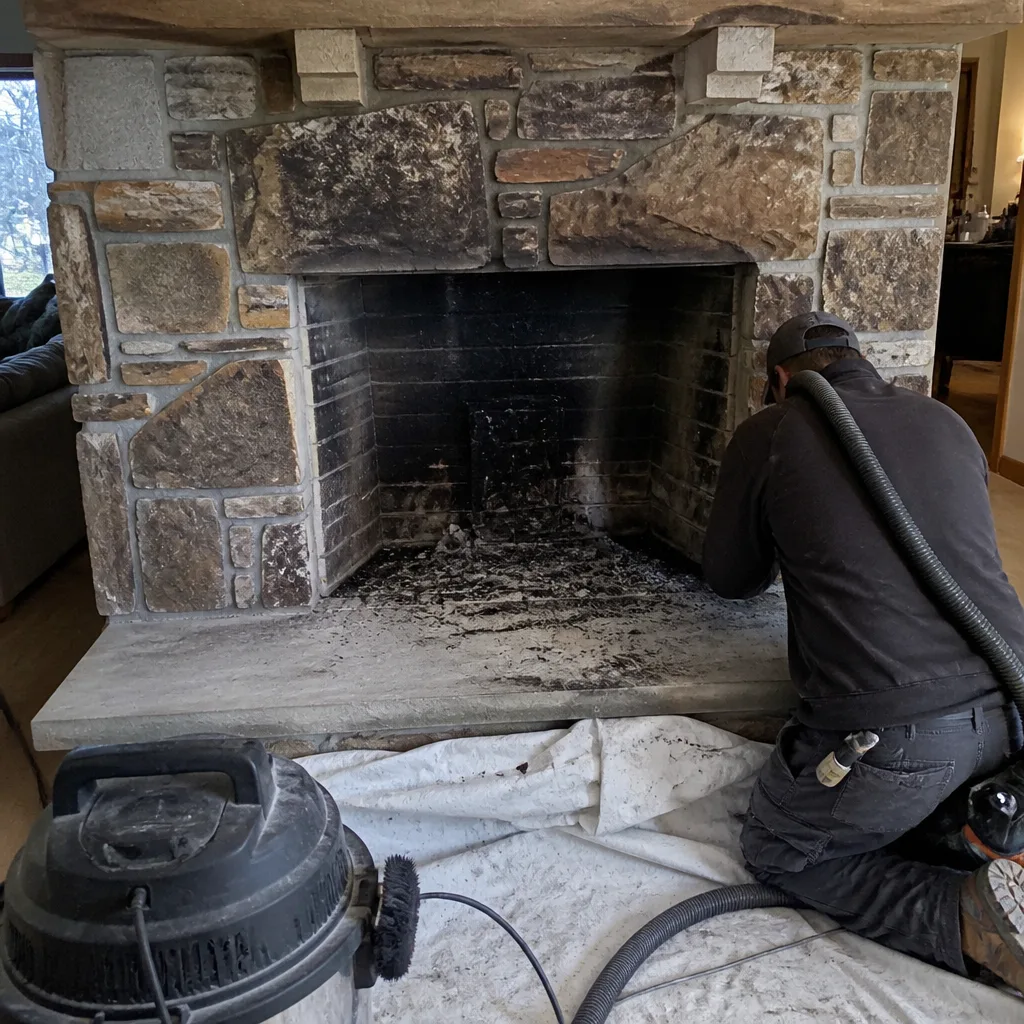 Before
 After
 Before
 After
When to Call a Professional
Call a professional immediately if you’ve had any chimney fire, even a small one, even one you think you put out yourself. Call if a CO detector alarms and you can’t find the source, if smoke backs into the room with the damper open, if the chimney breast or surround feels unusually hot, or if you see cracked flue tiles or a warped damper. If your fireplace is harder to start than it used to be, or if smoke smell lingers in the house after a fire, that’s worth an inspection too.
Don’t relight the fireplace until a Level 2 inspection clears it. A camera inspection shows you the flue interior, and the photo report lets you see the problem yourself rather than taking someone’s word for it. Chimney Sweep Highlands offers free estimates in Highlands. We answer 24/7, and we can be reached at (844) 443-4562 for an exact quote. Our technicians have up to 8 years of experience, and we recommend nothing without camera evidence you can see.
Frequently Asked Questions
Get everyone out of the house and call 911. That’s the first action, before anything else. Close the firebox doors and the damper on your way out if you can reach them safely, which starves the fire of oxygen and limits how hot it gets. Don’t spray water into the firebox, and don’t open the firebox door to check. If you’re in a Highlands home during a windstorm and you smell smoke without seeing fire, evacuate anyway and call us at (844) 443-4562.
You can’t tell from the room. The only reliable way to know whether the liner is intact is a Level 2 inspection with a camera, which looks at the flue interior and produces a photo report. A chimney fire hot enough to burn creosote can crack tiles or open mortar joints without any visible sign from inside the house. Don’t relight the fireplace until the inspection clears it, and don’t rely on a visual check from the top of the chimney alone.
Because chimney CO failures are silent. A blocked flue, a cracked liner, or a downdraft can vent combustion gases back into the living space while the fire still burns and the smoke still rises. You won’t smell it or see it. Highlands windstorms make downdrafts more likely, and hard freeze-thaw cycles stress liner tiles over time, which is why CO detectors on every level and an annual inspection matter more here than in milder climates. If a detector alarms and you can’t find the source, get out and call 911.
Not always. Sometimes the liner is intact and a sweep and repair is enough. Sometimes resurfacing with a HeatShield system restores a deteriorating flue without a full replacement. Sometimes a DuraFlex flexible liner is the right call because it handles offset or complex flue configurations that rigid liners can’t navigate. The right answer depends on what the camera shows. We don’t recommend a liner without evidence you can see, and we’ll tell you plainly when a repair can safely wait.
Everyone out of the house and the fire department called, first. Beyond that, having the firebox doors and damper closed, the gas shutoff (for a gas fireplace) located, and a fireplace-specific extinguisher accessible is what limits damage. Before winter, have CO detectors on every level, a written evacuation plan, a flashlight, and the sweep and fire department numbers posted on the fridge. A standard ABC extinguisher is better than nothing, but a fireplace-specific product is what you want within reach of the hearth.
Downdrafts from Highlands wind push air down the chimney, which spills smoke into the room even when the flue is clear and the fire is drawing well. A properly fitted, intact cap is the first defense, and a clogged or loose cap makes it worse. If smoke backing into the room happens often, get an inspection before relying on the fireplace through the heating season. Some drafting issues are chimney geometry, some are cap problems, and some are flue blockage. The inspection sorts out which.
The Bottom Line
Chimney emergencies in Highlands are mostly preventable, and the ones that aren’t are survivable when you know what to do. The plan comes down to three things: a swept and inspected flue before the season, working CO detectors and a fireplace extinguisher, and the discipline to never relight a chimney after a fire until a Level 2 inspection clears it. The first 90 seconds matter, but the weeks before the first fire matter more. Handle the prevention, and you’re much less likely to need the rest of this guide. One crew, one call, from the firebox to the crown, with trade-grade materials and honest recommendations.
If you’re in Highlands and you want your chimney checked before the cold sets in, our fireplace repair and inspection work is covered by the same team that handles sweeping and cap installation. Call (844) 443-4562. We answer 24/7. Fast dispatch from 7am to 7pm, Sunday through Friday. Estimates are free, and the written estimate sets the final price.
Written by the team at Chimney Sweep Highlands.