
Last updated November 24, 2026
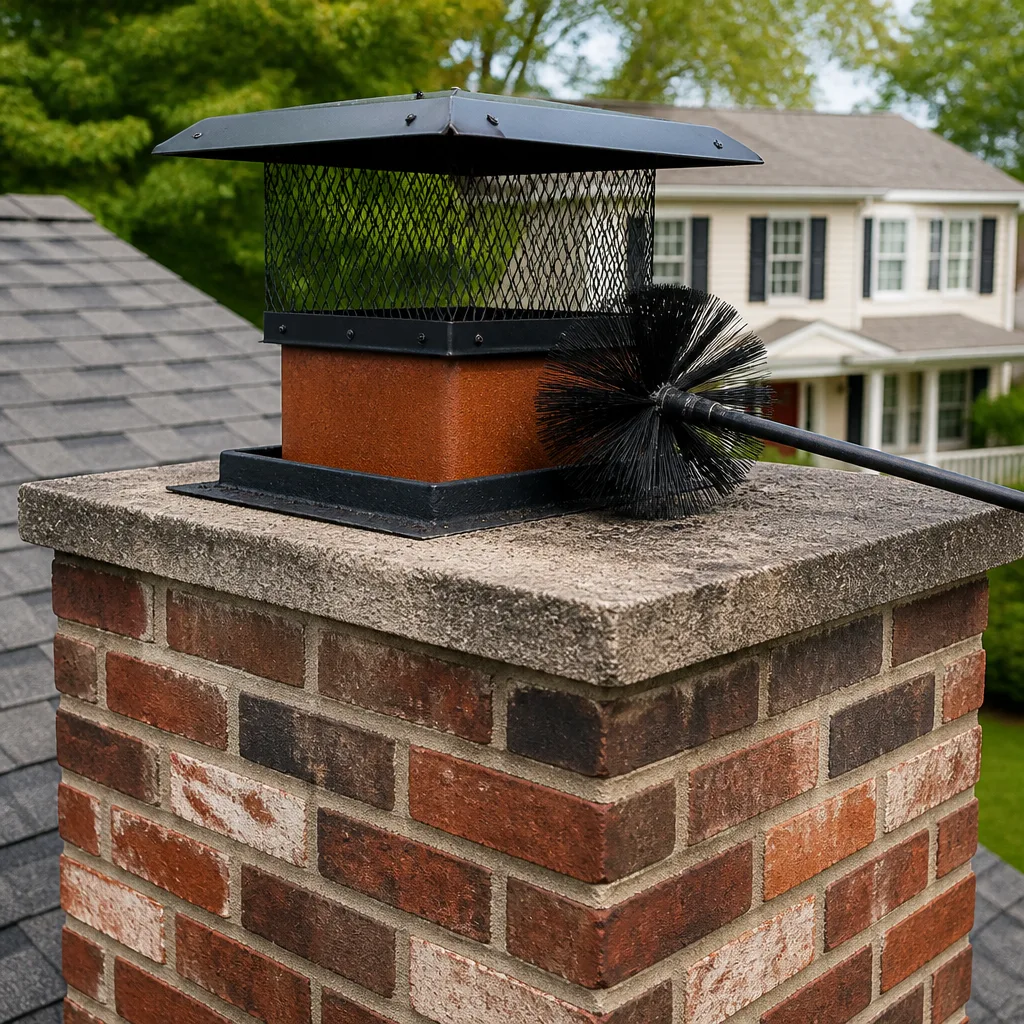 Sweep & inspection
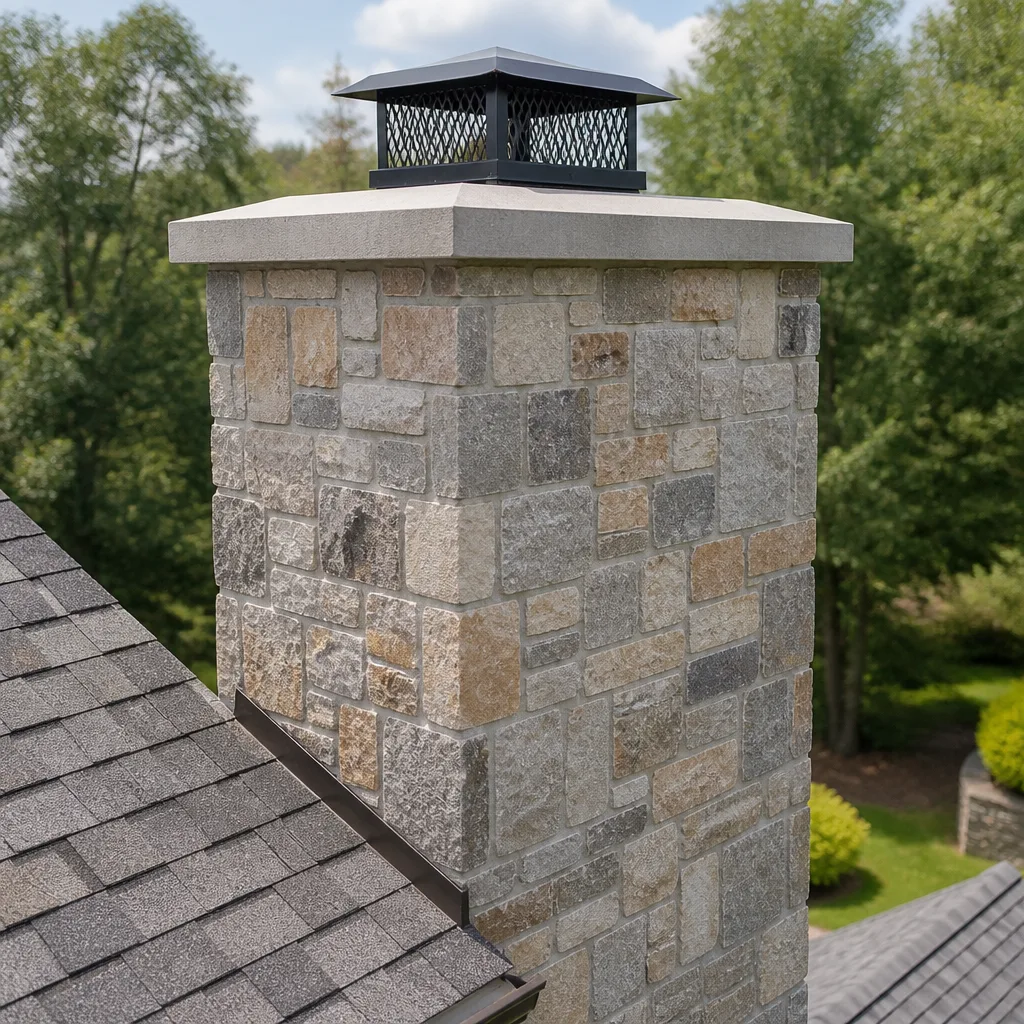 Caps & crowns
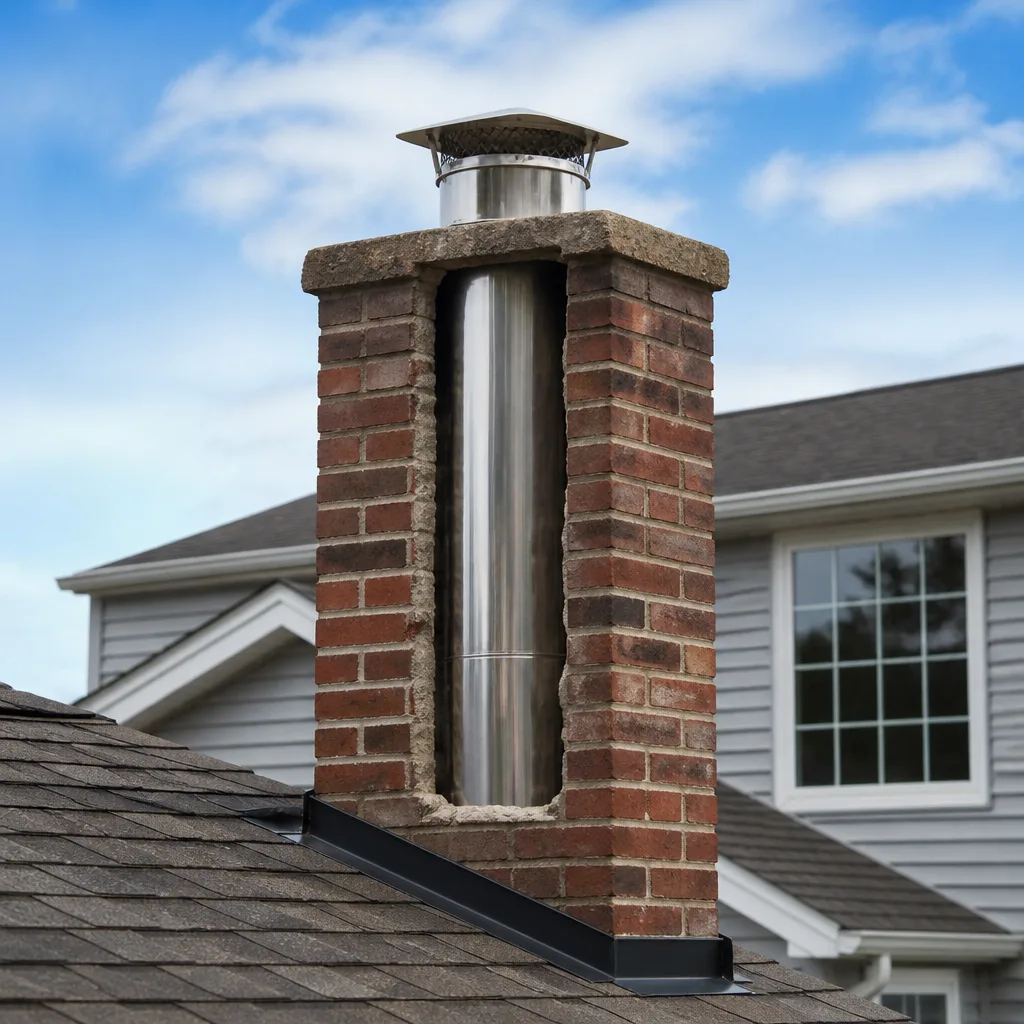 Flue relining
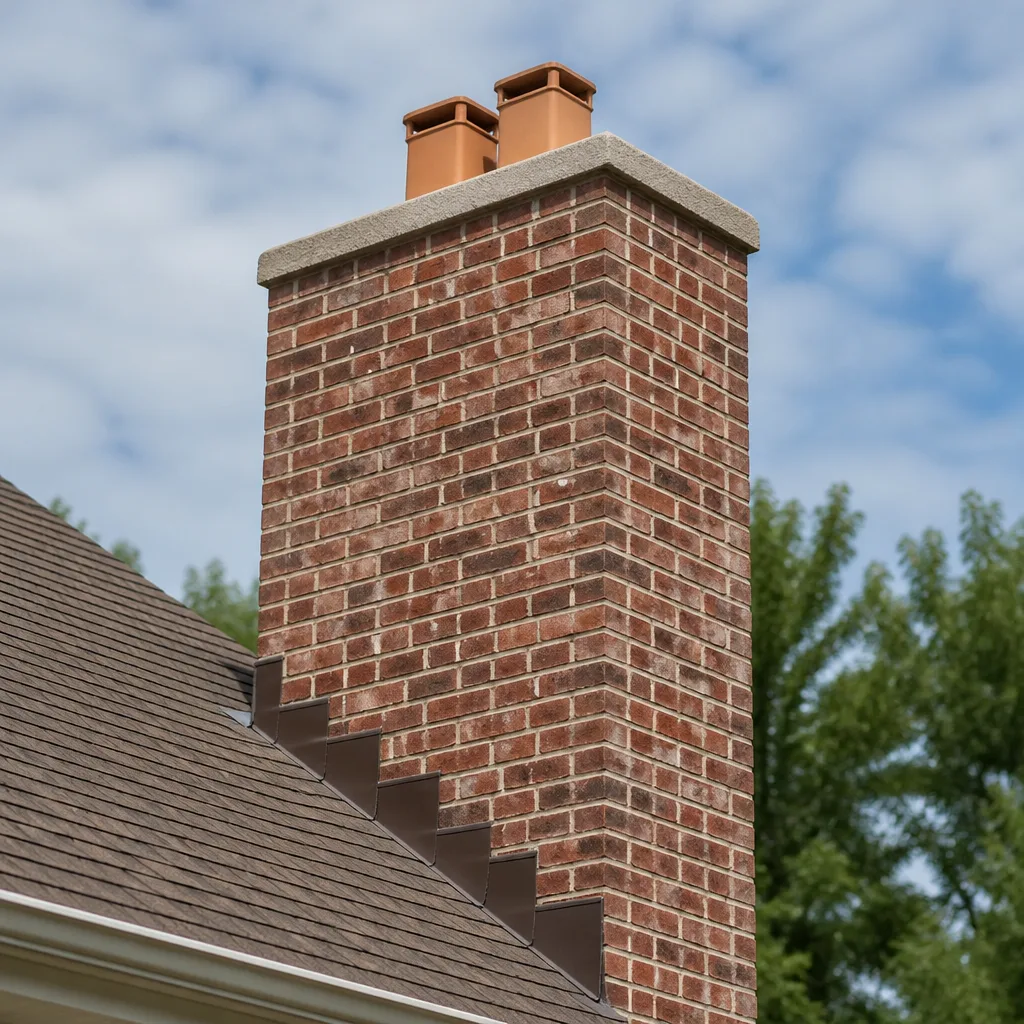 Masonry repair
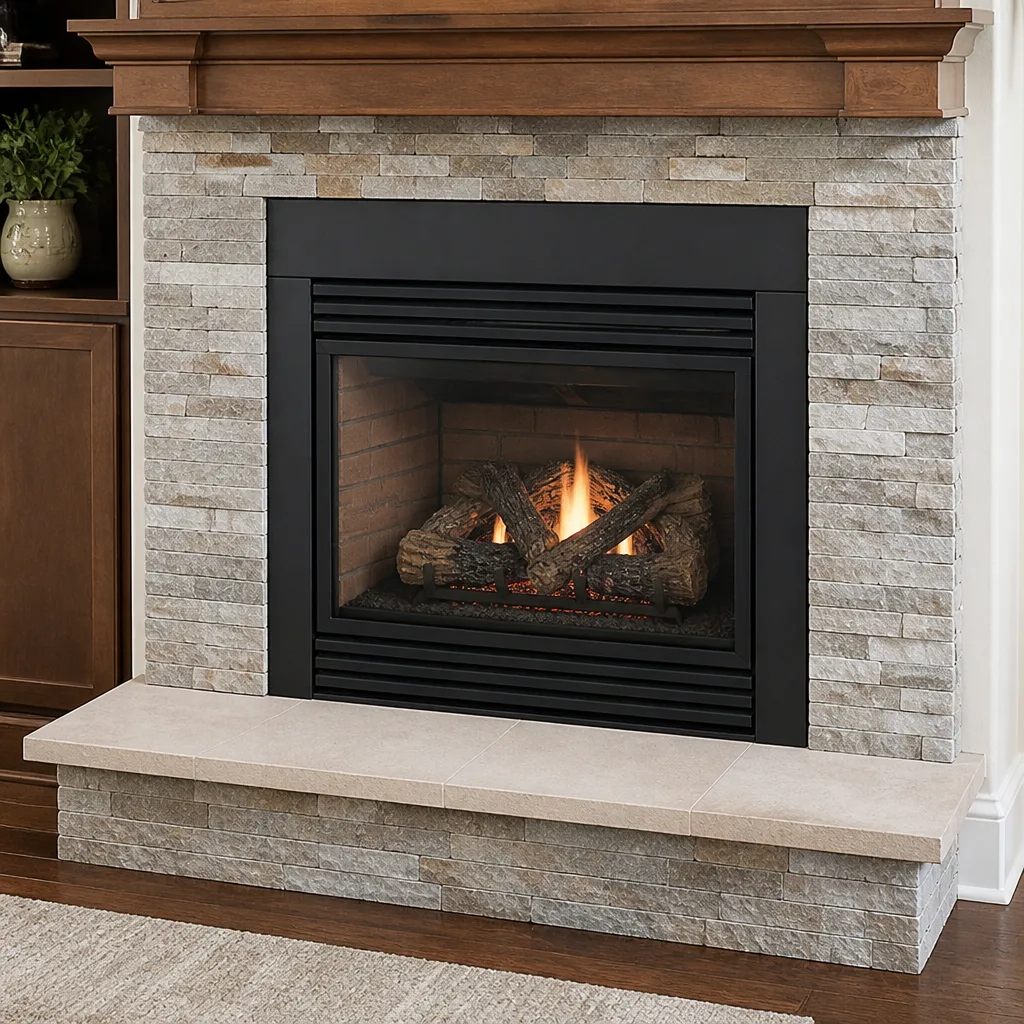 Gas fireplace service
Level 1 sweep and inspection to the NFPA 211 annual standard - flue, crown, cap, and flashing checked and photographed
Chimney sweep logs do not sweep chimneys. They loosen some creosote - which then falls where a brush and vacuum still have to collect it.
Chimney Sweep Maintenance Checklist for Highlands Homeowners
The item most often missing from a homeowner’s chimney checklist isn’t inside the flue at all. It’s the chimney cap and crown sitting on top, exposed to everything Highlands weather sends across the roofline. Wind, snowload, freeze-thaw cycles and high-altitude sun wear those components faster than the firebox or the liner most people worry about. That’s why we build this checklist by chimney component instead of by task: it’s the only way nothing structural slips through between professional visits. Below you’ll find what to check yourself, what to leave to a trained sweep, which items reset each year, and which are one-time inspections with much longer intervals. Everything here is written for Highlands homeowners who actually use the fireplace, not just decorate around it.
Quick Answer
A chimney maintenance checklist for Highlands should cover six components from the firebox up: firebox, damper, smoke chamber, flue liner, crown and cap. Homeowners can visually inspect the firebox, damper operation, cap condition and exterior crown from the ground or roofline, but the flue liner, smoke chamber and interior crown need a trained sweep with a camera. An annual sweep and inspection covers most items, while the liner and crown are checked on longer cycles unless visible damage appears sooner.
Styles & brands we work with
- Sweep & inspection
- Caps & crowns
- Flue relining
- Masonry repair
- Gas fireplace service
Table of Contents
- Why a Component Checklist Beats a Task List
- Firebox and Damper: What Homeowners Can Check
- Smoke Chamber and Flue Liner: Professional Territory
- Crown and Cap: The Most Overlooked Components in Highlands
- Reading Wind-Driven Moisture and Elevation Damage
- Which Items Reset Annually and Which Don’t
- Keeping a Maintenance Log That Pays Off Later
- Red Flags That Stop the Checklist Cold
Why a Component Checklist Beats a Task List
Most chimney checklists floating around online read like a chore chart: sweep the flue, check the cap, call it done. The problem is that a task list doesn’t tell you why each item matters, so it’s easy to skip the ones that seem minor and focus on the fireplace itself. The chimney is a system, and every component protects the one below or above it. A failed cap lets water into the flue. Water in the flue degrades the liner. A degraded liner sends heat and gases into the framing instead of up the stack. Each failure starts one link up from the damage it causes.
Here in Highlands, the elevation and wind exposure make that chain snap faster. A component that might last years in a sheltered valley takes a beating up here. When we walk a Highlands homeowner through a checklist, we go top-down: cap, crown, flue, smoke chamber, damper, firebox. That order answers a simple question: if this component failed tomorrow, how much would the one below it cost to fix? The higher-up components are usually the cheaper safety net for the expensive ones underneath.
This guide is organized the same way. Each section covers one component, what you can see yourself, and what needs a trained eye. If you want the full range of work we handle on a single visit, our Chimney Sweep Highlands page lays it out. But the value of this checklist isn’t the service list: it’s knowing which parts of your chimney you can confidently watch and which you shouldn’t touch.
Firebox and Damper: What Homeowners Can Check
The firebox and damper are the two components homeowners can meaningfully inspect themselves. They’re visible, accessible, and a quick look tells you whether to call someone. They’re also the two parts most likely to show wear first, because they take the direct heat.
Firebox checks
Look at the firebox walls and floor after a full cool-down. What you’re watching for:
- Hairline cracks in the firebrick: fine surface crazing is common and usually cosmetic, but cracks you can slide a coin into are a concern.
- Missing or crumbling mortar joints between firebricks.
- Crumbling or soft refractory cement in the corners or along the floor seams.
- Discolored or rusted metal components inside the firebox assembly.
- Material flaking away from the firebox walls when you brush them lightly.
If you find masonry damage, don’t run a fire until someone looks at it. Our fireplace repair work starts with an inspection, because firebox damage rarely stays isolated. A joint that’s opening up lets heat reach the structure behind the brick, and that’s the kind of problem you want to catch early.
Damper checks
Open and close the damper fully. It should move without force, seat flush when closed, and lock open when the fireplace is in use. A damper that sticks, won’t fully close, or won’t stay fully open is a sign the hinge mechanism or the damper plate is worn. A damper left closed on a fire sends smoke into the room instead of up the flue. A damper left stuck open pulls heated air up the chimney all winter when no fire is burning. Both are worth fixing before they cost you on comfort or safety.
Smoke Chamber and Flue Liner: Professional Territory
The smoke chamber and flue liner are where the homeowner checklist stops and the professional one starts. You can’t inspect either safely from below, and you can’t diagnose them without a camera. These are the two components most often responsible for big repair bills, so they deserve a trained look on a schedule rather than a guess.
Smoke chamber
The smoke chamber is the funnel-shaped space above the damper and below the flue. Its job is to compress smoke and push it smoothly up the stack. Over time, rough surfaces and gaps in the masonry collect creosote and slow down draft. A professional inspection with a camera shows whether the chamber needs smoothing, sealing or repair. This is the routine area where a swept-and-inspected chimney performs noticeably better than a sweep-only job, because the sweep alone doesn’t see the chamber.
Flue liner
The flue liner is the pipe the smoke travels through, and it’s the most important safety component in the system. A cracked, spalling or missing liner lets heat and carbon monoxide reach the chimney structure and the framing around it. Trained inspectors check the liner with a camera and record what they find. When a liner is degraded and can be resurfaced rather than replaced, HeatShield ceramic resurfacing is the trade-approved method we use. When a full replacement is the right call, flexible systems like DuraFlex navigate the offset and angled flues common in older Highlands-area homes, where rigid liners won’t fit.
We don’t recommend liner work from a glance. The camera goes in, the footage gets recorded, and we review it with you so you see exactly what we see. That’s the difference between a recommendation and a pitch.
Crown and Cap: The Most Overlooked Components in Highlands
The crown and cap are the two components that fail fastest in Highlands, and they’re the ones most homeowners never look at. That combination is why we lead any conversation with them.
What the crown does
The crown is the sloped concrete surface at the very top of the chimney, designed to shed water away from the flue and the brick. When the crown cracks, water gets into the masonry above the roofline. That water freezes and expands in Highland winters, opening the crack wider and pushing the damage deeper with every cycle. A cracked crown is one of the most common sources of interior leaks that get misdiagnosed as roof problems.
What the cap does
The cap sits on top of the flue opening. It keeps out rain, snow, debris, birds and squirrels while letting smoke escape. Wind is the enemy of every cap, and Highlands gets more wind exposure than most Front Range towns at lower elevations. A cap that’s loose, dented or missing lets water straight into the liner, where it mixes with creosote and starts breaking down the flue. A quality cap installed with proper fastening is a small investment against a potentially large repair.
How to check both from the ground
You don’t need to climb the roof. From the ground with binoculars:
- Look for visible cracks or missing chunks in the crown’s concrete slope.
- Check whether the cap sits level, with all corners and fasteners attached.
- Look for rust streaks or stains running down the brick below the crown.
- Look for birds or nesting material in or around the cap.
If anything looks off, stop there. Cap and crown work requires heights, tools and materials most homeowners don’t have, and the failure mode is a fall. Our chimney cap & crown service exists because this is the piece most sweep companies treat as an afterthought. We treat it as the start of the system.
Reading Wind-Driven Moisture and Elevation Damage
Highlands’ combination of wind, snow, freeze-thaw and strong sun creates a specific pattern of damage most general chimney guidance doesn’t address. Learning to read it is how you go from “my chimney looks fine” to “my chimney has a problem I should act on.”
Signs of wind-driven moisture damage
- Staining on the downhill side of the chimney: the side most exposed to prevailing winds often shows the first signs of water intrusion, because wind drives rain and snowmelt into the fine cracks on that face.
- Spalling brick near the crown: brick faces flaking or popping off within a few feet of the top indicates freeze-thaw water damage, almost always starting with a crown or cap issue.
- White or gray powder (efflorescence) on the masonry: a powdery residue means water is moving through the brick and evaporating on the surface, leaving mineral deposits behind.
- Interior leaks near the chimney during snowmelt: drips appearing in spring, after the snow melts, point at water entering above the roofline.
- Creosote that looks glazed or glassy: moisture accelerates creosote hardening into a form that’s harder to sweep and carries more fire risk.
What elevation does
Highland elevation means more UV exposure and more dramatic temperature swings from day to night. Mortar and concrete crack faster under those cycles, and sealant products break down sooner. A crack that would stay cosmetic in a more stable climate can become structural here in a couple of seasons. That’s why exterior components deserve a check every year, not just the firebox and flue.
Which Items Reset Annually and Which Don’t
Not every checklist item runs on the same clock. Sorting items into annual and long-interval categories keeps you from over-inspecting the cheap stuff and under-inspecting the expensive stuff. Here’s the breakdown we walk Highlands homeowners through:
Annual items
- Flue sweep and basic inspection
- Firebox visual check for cracking and joint deterioration
- Damper operation test
- Cap condition and fastening check
- Exterior crown visual check for cracks and staining
- Mortar joint inspection at the roofline
Longer-interval items
- Camera inspection of the flue liner (typically every few years on a clean, healthy system, or sooner if damage is visible or suspected)
- Smoke chamber condition audit (every few years, or when draft problems show up)
- Full crown replacement (not a maintenance item, a repair when the existing crown is beyond sealing)
- Crown resurfacing or sealing (on the interval your sweep recommends after inspection)
- Flue relining (only when the existing liner has failed or is unsuitable for the appliance)
The reason this matters: a lot of home maintenance schedules treat every item as annual so they sound thorough. That creates unnecessary work and unnecessary expense. A trained sweep tells you which items are due. A generic checklist doesn’t.
Keeping a Maintenance Log That Pays Off Later
A maintenance log sounds like the least exciting item on any list. It’s also the one that earns you real value when it counts: at sale, at claim time, and when you need to explain a repair to an insurance adjuster. Here’s how we recommend setting one up.
- Start one document, digital or paper, for the chimney only. Don’t tuck receipts in a drawer. Keep the log with the house documents.
- Record every sweep with the date, the technician’s findings and the camera footage if one was recorded. If the sweep didn’t produce a photo report, note that.
- Record every repair with the component, the material and the brand. For example: “crown sealed, cap replaced with Gelco, liner resurfaced with HeatShield.” Brand names help a future inspector and a future buyer understand what they’re inheriting.
- Note any component the sweep said was fine and when it should next be checked. This is the single most useful line in the log.
- Photograph the chimney exterior from the same angle every year. Comparing year-over-year is how you spot a slow-developing crack before it becomes a real repair.
- Keep the most recent inspection report and footage on file for the buyer. A documented, well-kept chimney is a negotiation asset, not a question mark.
In our experience, a homeowner who has this log for even a couple of years walks into an inspection with a big advantage over one who says “I think we had it swept once.” The log also matters at claim time. If a leak appears and your log shows a well-maintained cap and crown, the picture looks very different than if there’s no history at all.
Red Flags That Stop the Checklist Cold
Every checklist has a stopping point. These are the items where the homeowner checklist ends and a professional call starts immediately, not next season.
- Smoke backing into the room when the damper is open. Draft failure, liner blockage or smoke chamber damage is likely, and none of them get better on their own.
- A strong creosote smell in warm weather. Creosote that’s off-gassing in warm weather is a sign of buildup that needs to be swept, and possibly that the fire has been burning too cool.
- Visible firebox cracking you can catch a fingernail in, or joints opening up. Firebox damage can let heat reach framing.
- Interior leaks near the chimney during rain or snowmelt. Water is getting in above the roof and working its way down.
- White powder, spalling brick or rust streaks on the exterior. All three point at moisture that needs to be stopped at the top.
- A carbon monoxide detector going off, or headaches and nausea in the home when the fireplace runs. Stop using the fireplace and call for an inspection before anything else.
- Birds or animals getting in. A missing or failed cap is letting them access the flue.
- Any glazed, glassy-looking creosote visible from above the damper. This is the highest-risk form of creosote and it needs a professional sweep, not a homeowner brush.
If any of those show up, the checklist stops there. Call for an inspection first. Nothing on the rest of the list matters until the system is safe.
Common Mistakes to Avoid
- Checking the firebox but never the cap. In Highlands, the cap fails first and the firebox damage comes later, once the water gets in. Start the checklist at the top.
- Skipping the sweep because “we burn clean wood.” Creosote forms from any wood fire, and even seasoned wood at Highland elevation can leave enough buildup to matter after a winter of regular use.
- Calling a general handyman for a chimney sweep. A handyman with a brush doesn’t carry the camera, the training or the brand knowledge for liner and crown work. A sweep is a specialist job and deserves a specialist.
- Sealing or “fixing” a crown without inspecting the flue first. If water has been getting in, the interior damage behind the crown is the bigger problem, and sealing over it just hides the symptom.
- Ignoring the smoke chamber because the flue looks fine. The flue and the chamber see different conditions, and one can be failing while the other looks healthy.
- Running a fire with a cracked firebox because “it’s just cosmetic.” A crack that stays surface-level is common. A crack you can fit a fingernail into is not, and it needs to be checked before the next burn.
- Keeping no log. A Highlands home with a documented maintenance history is easier to sell, easier to insure, and easier to repair, because the next inspector knows exactly where the system started.
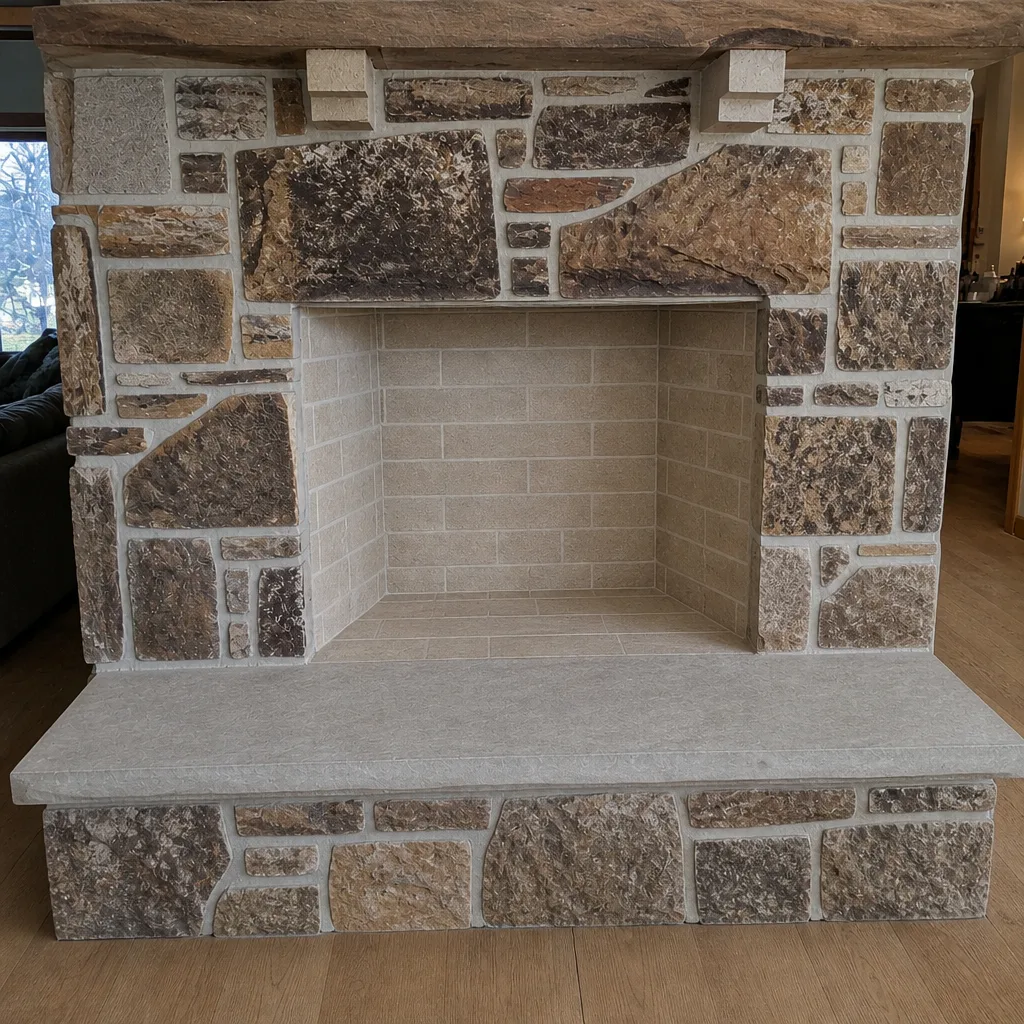
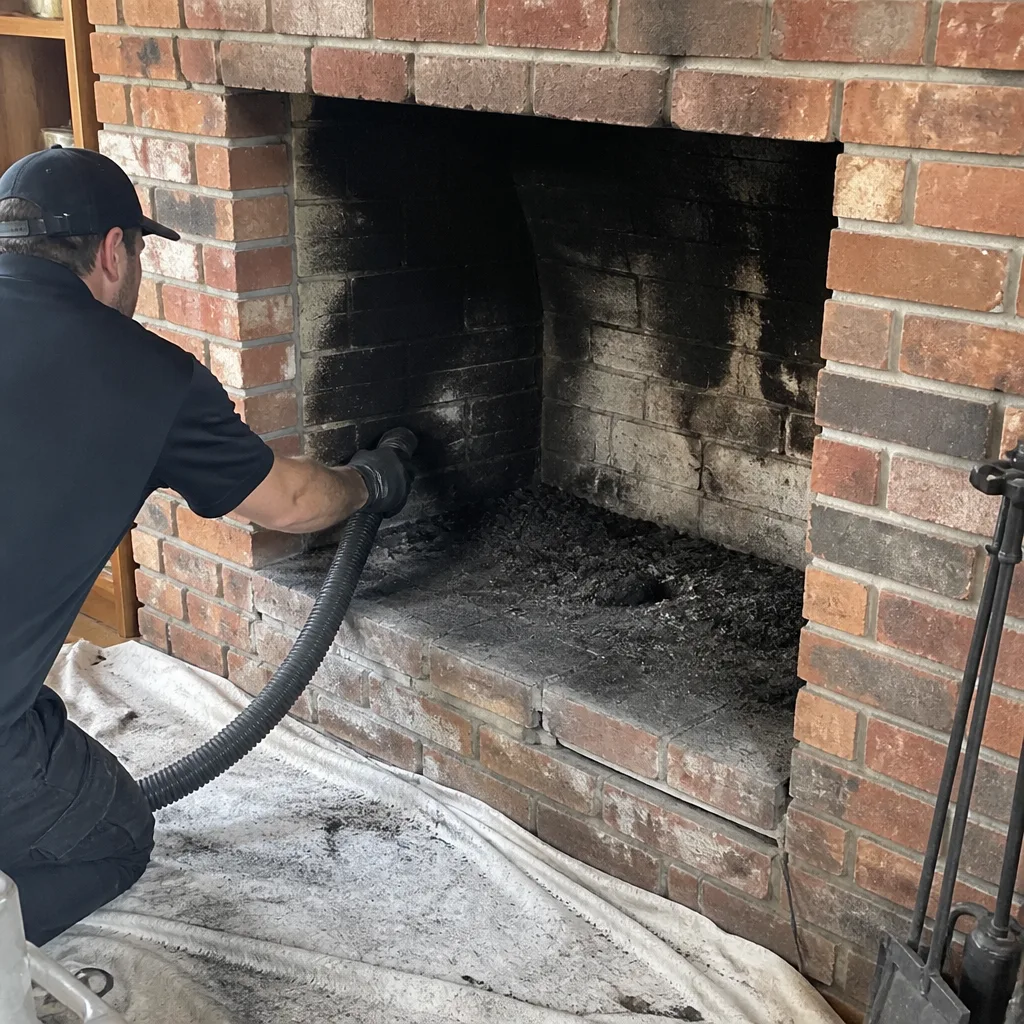
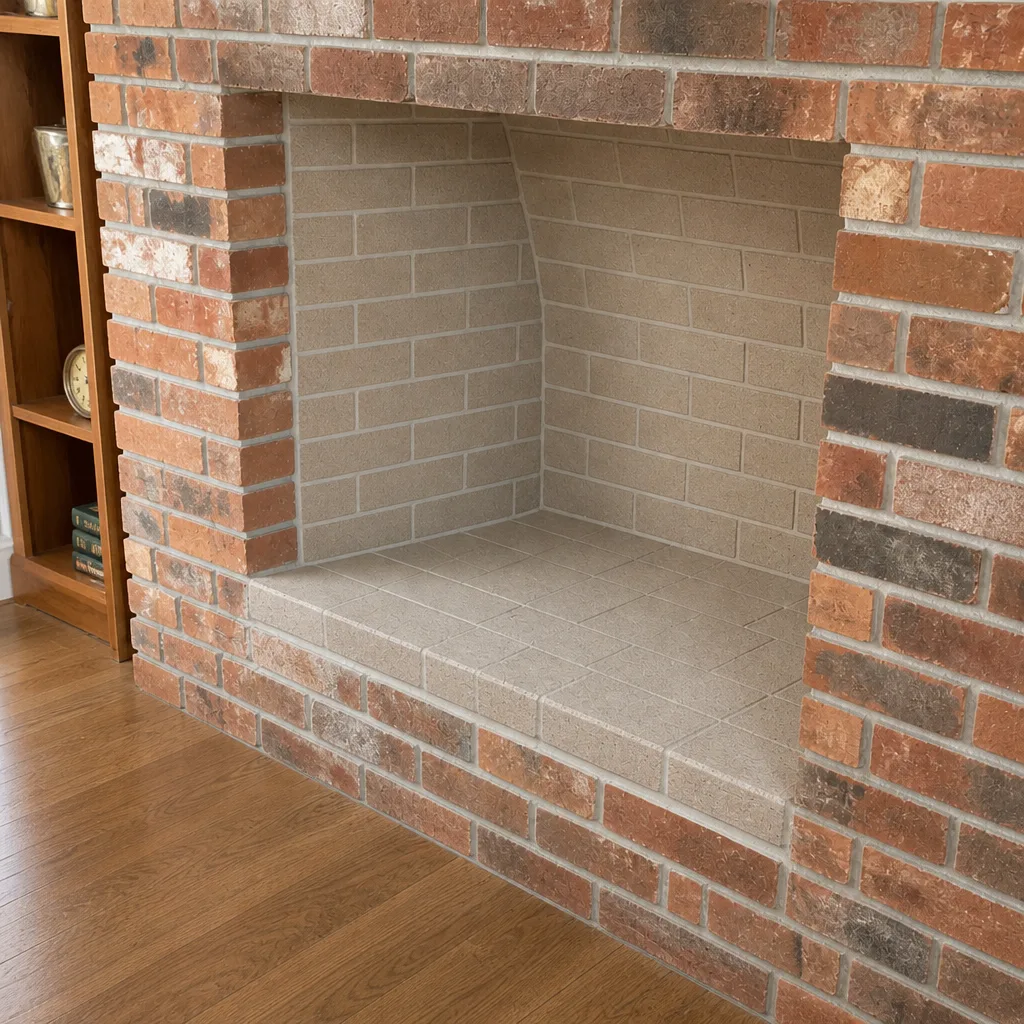
See the difference
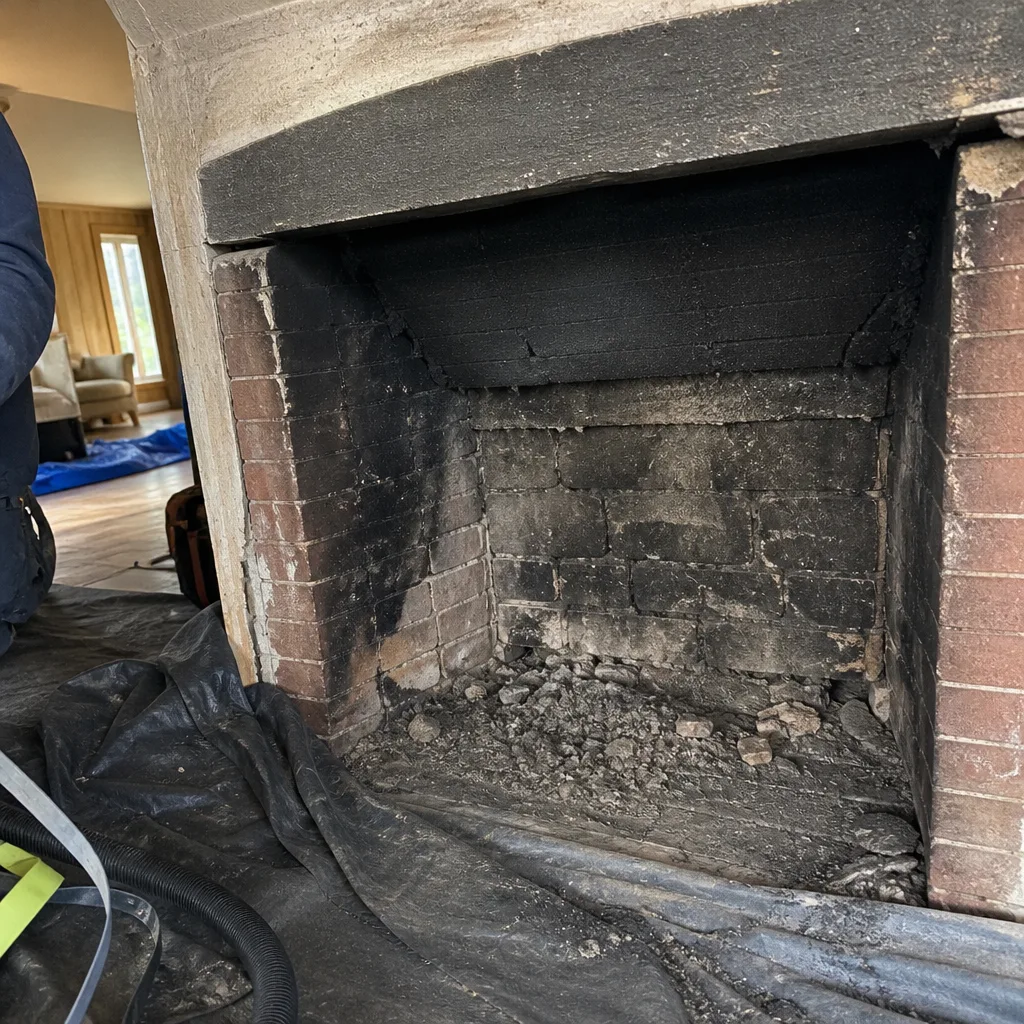 Before
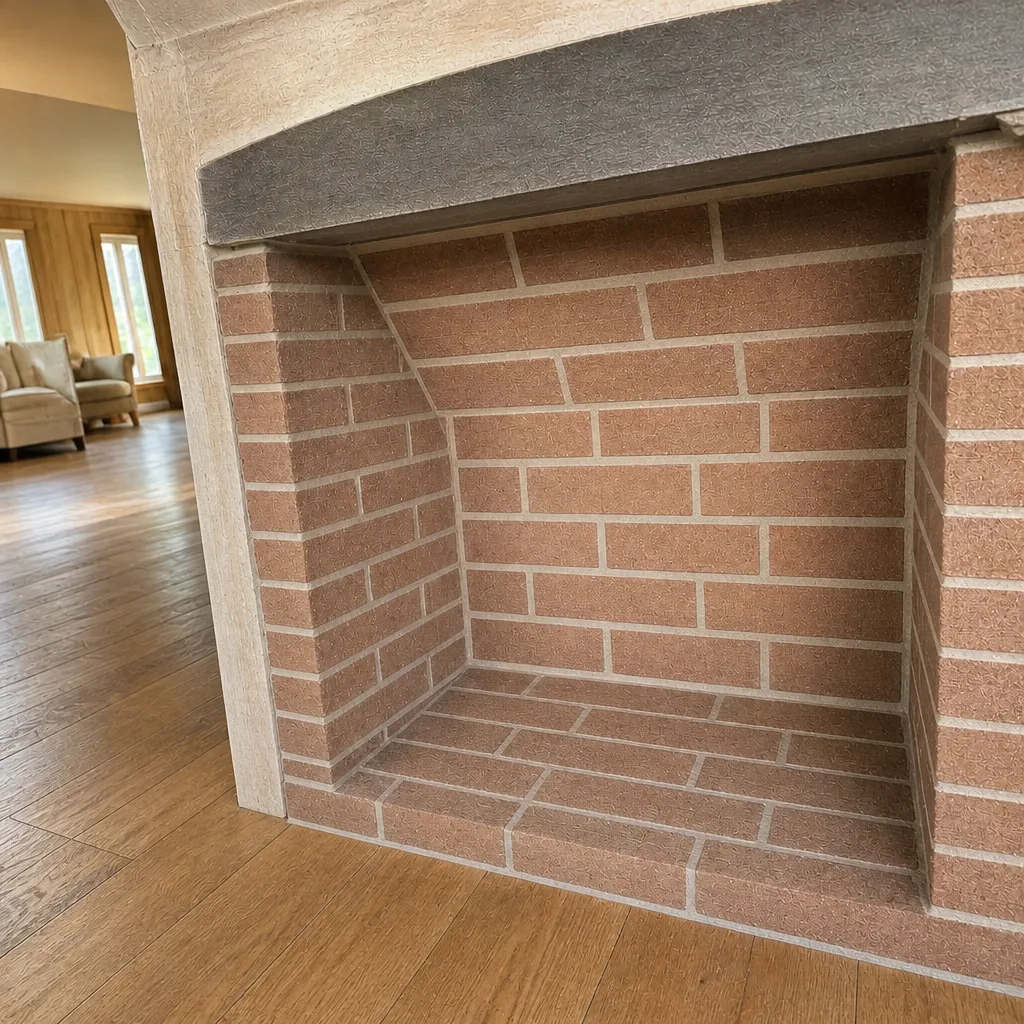 After
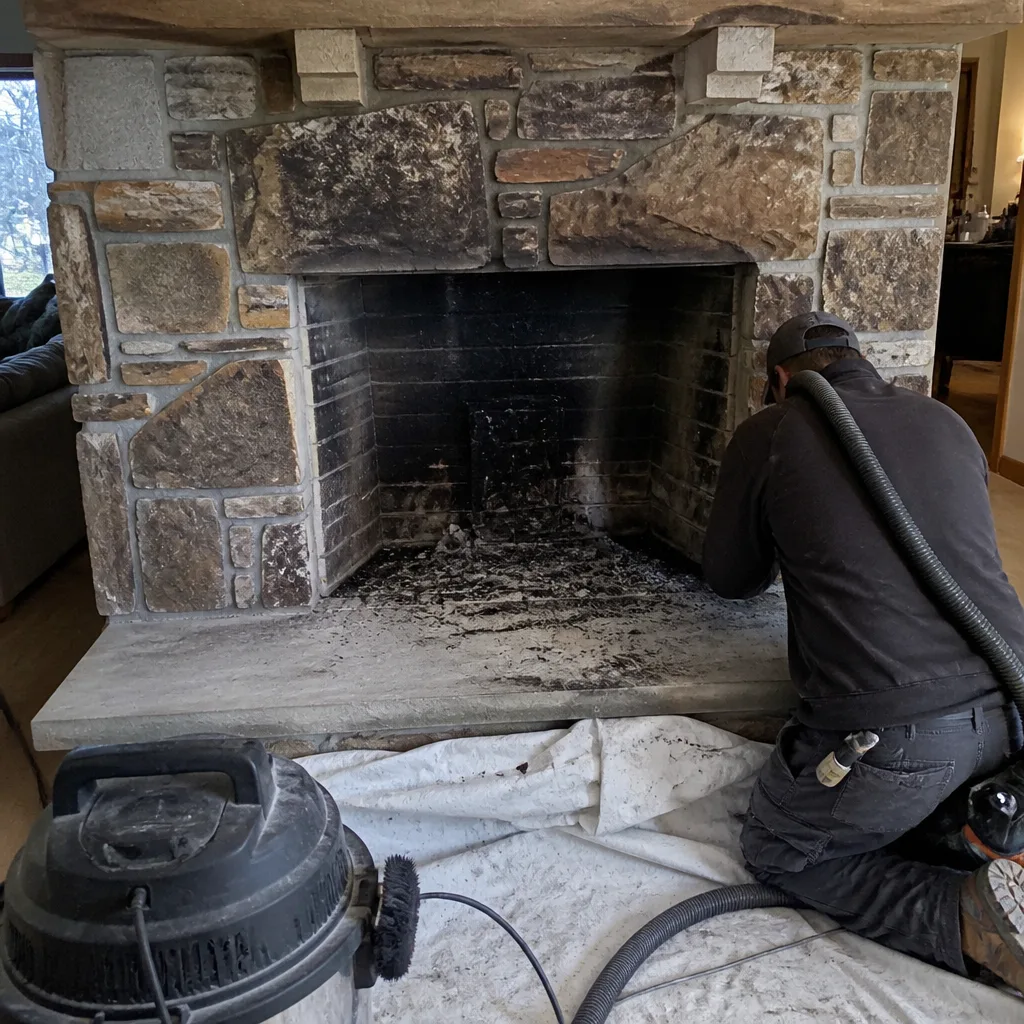 Before
 After
 Before
 After
When to Call a Professional
Call a professional the moment the checklist turns up any of the red flags above, and call for a scheduled sweep and inspection on an annual basis even when nothing feels wrong. Here in Highlands, the annual visit is how you catch wind-driven water damage and crown failures before they reach the liner.
Call us if the fireplace smokes back into the room, if you see cracks or staining on the crown, if the cap is loose or missing, or if you’ve never had the flue inspected with a camera. Our technicians have up to 8 years of experience and can complete the sweep, inspection and any needed repair in a single coordinated visit. We use trade-grade materials from brands like Gelco, Famco, DuraFlex, HeatShield and Olympia Chimney, and we don’t recommend any work without camera footage you can review yourself.
Chimney Sweep Highlands offers free estimates in Highlands. Call (844) 443-4562 to schedule your sweep and inspection.
Frequently Asked Questions
A Highlands checklist should cover six components from the firebox up: firebox, damper, smoke chamber, flue liner, crown and cap. Homeowners can visually check the firebox, damper, cap and crown exterior, but the smoke chamber and flue liner require a professional inspection with a camera. The crown and cap deserve the most attention because wind and snowmelt damage them first in this climate. Call (844) 443-4562 for a free estimate if you’d rather have a trained sweep walk the checklist with you.
Once a year is the standard recommendation for any home that uses the fireplace regularly. In Highlands, the exterior components also deserve an annual visual check even if the flue itself is clean, because wind and freeze-thaw damage the crown and cap on their own schedule. If the fireplace is used heavily through the winter, ask your sweep whether a second check is worth it. Call (844) 443-4562 to book your annual sweep and inspection.
You can safely check four things yourself: the firebox interior, the damper operation, the cap condition from the ground with binoculars, and the exterior crown for visible cracks. The smoke chamber and flue liner need a trained sweep with a camera to inspect properly and safely. Never climb the roof to “get a better look” at the cap or crown; that work belongs to someone with the right equipment. Call (844) 443-4562 for a free estimate on the parts of the checklist you can’t safely cover.
You know a liner needs replacing when a camera inspection shows cracking, spalling, gaps or loss of structural integrity. In many cases a deteriorated liner can be resurfaced rather than replaced, using products like HeatShield that restore the flue interior to a serviceable condition. When the flue geometry or damage calls for a full replacement, flexible systems like DuraFlex handle offset and angled flues that rigid systems can’t navigate. Call (844) 443-4562 to schedule an inspection and find out which applies to your chimney.
Look for staining on the downhill side of the chimney, spalling brick near the crown, white powder on the exterior mortar, interior leaks during snowmelt, and glazed creosote. Each of those points to water entering above the roofline, almost always through a failed crown or cap. In Highlands’ wind and freeze-thaw cycles, these signs show up faster than in more sheltered climates. Call (844) 443-4562 for a free estimate if you spot any of them.
A sweep alone cleans the flue; an inspection checks every component of the system, including the ones a brush never touches. The smoke chamber, crown and liner condition all require a trained review, and those are the parts most likely to cost you real money if they fail unnoticed. We treat inspection as a standalone service because it deserves its own time and attention. Call (844) 443-4562 to schedule a sweep and inspection together.
The Bottom Line
A chimney maintenance checklist only works when it’s built around your actual chimney system, and in Highlands that means starting at the top. Cap and crown first, then flue liner, smoke chamber, damper and firebox. Homeowners can safely check the firebox, damper, cap and crown exterior, but the smoke chamber and liner need a trained sweep with a camera. Keep a written log of every sweep, repair and brand used (Gelco caps, HeatShield resurfacing, DuraFlex liners), because that log earns its keep at sale and claim time. And when the red flags show up, stop the checklist and call a professional. From the firebox to the crown, we handle it as one system, with one crew and one call.
Call (844) 443-4562 for a free estimate. We answer 24/7. Fast dispatch from 7am to 7pm, Sunday through Friday.
Written by the team at Chimney Sweep Highlands.