
Last updated November 24, 2026
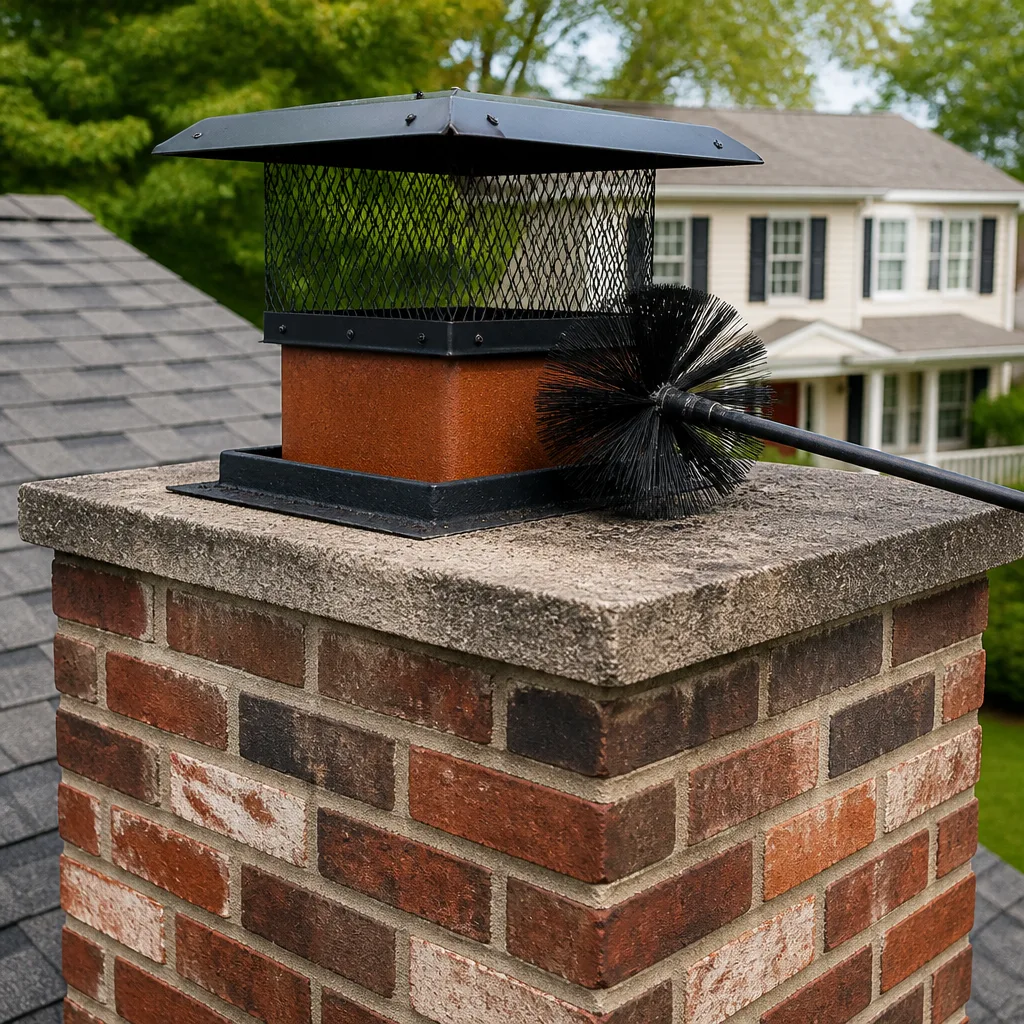 Sweep & inspection
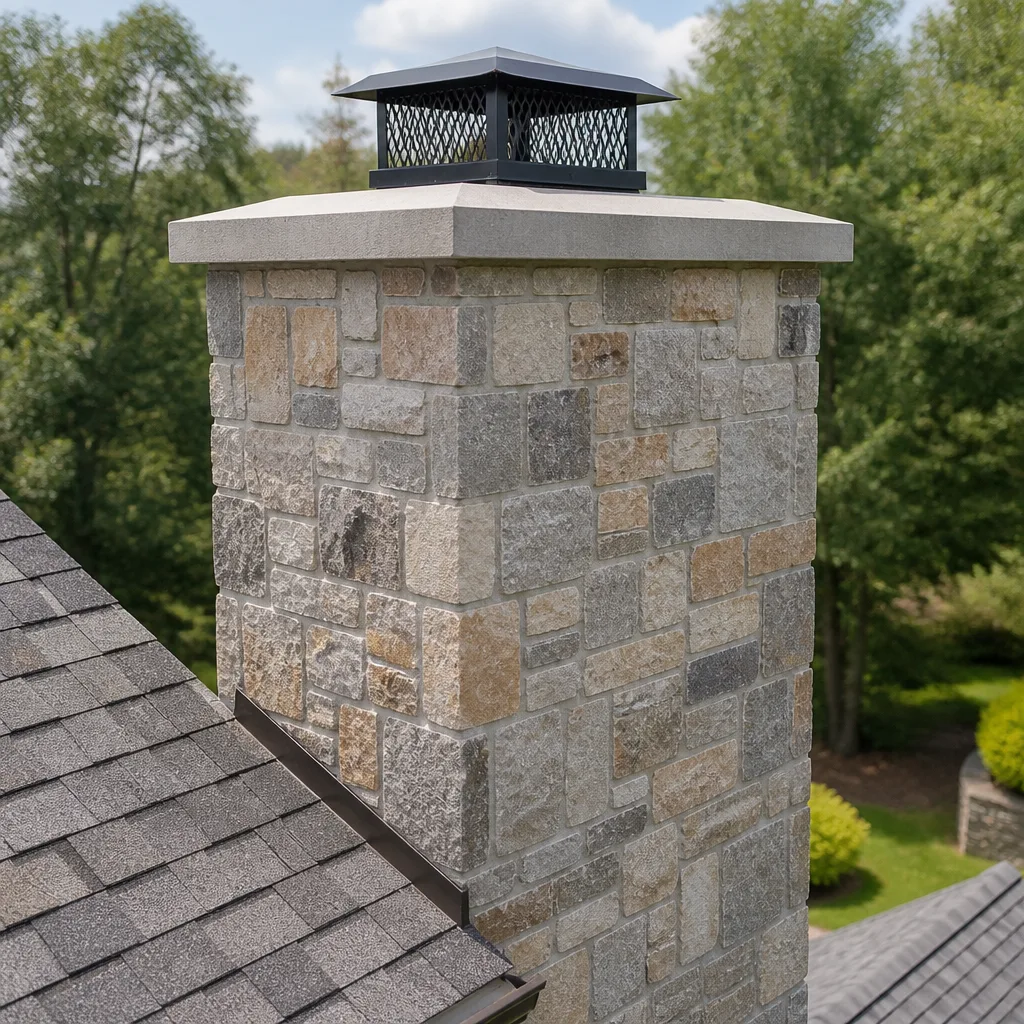 Caps & crowns
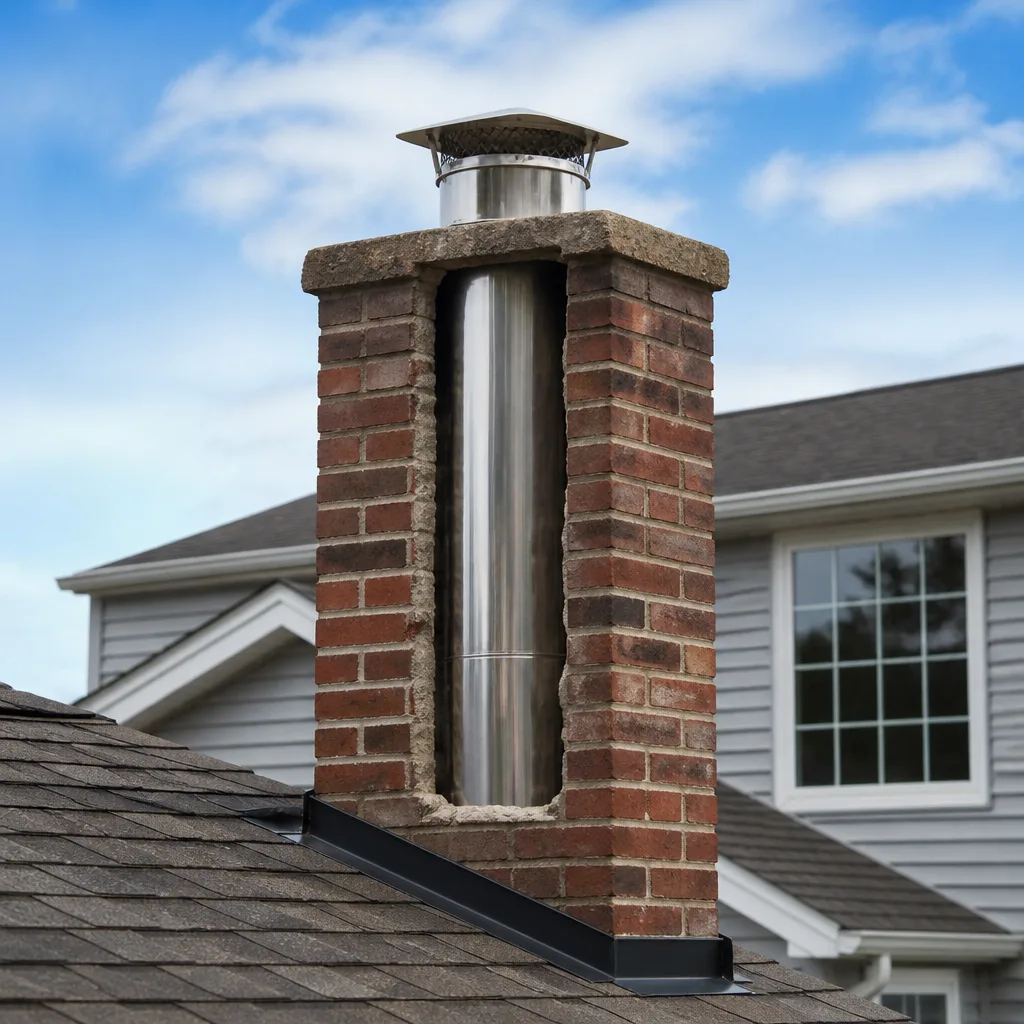 Flue relining
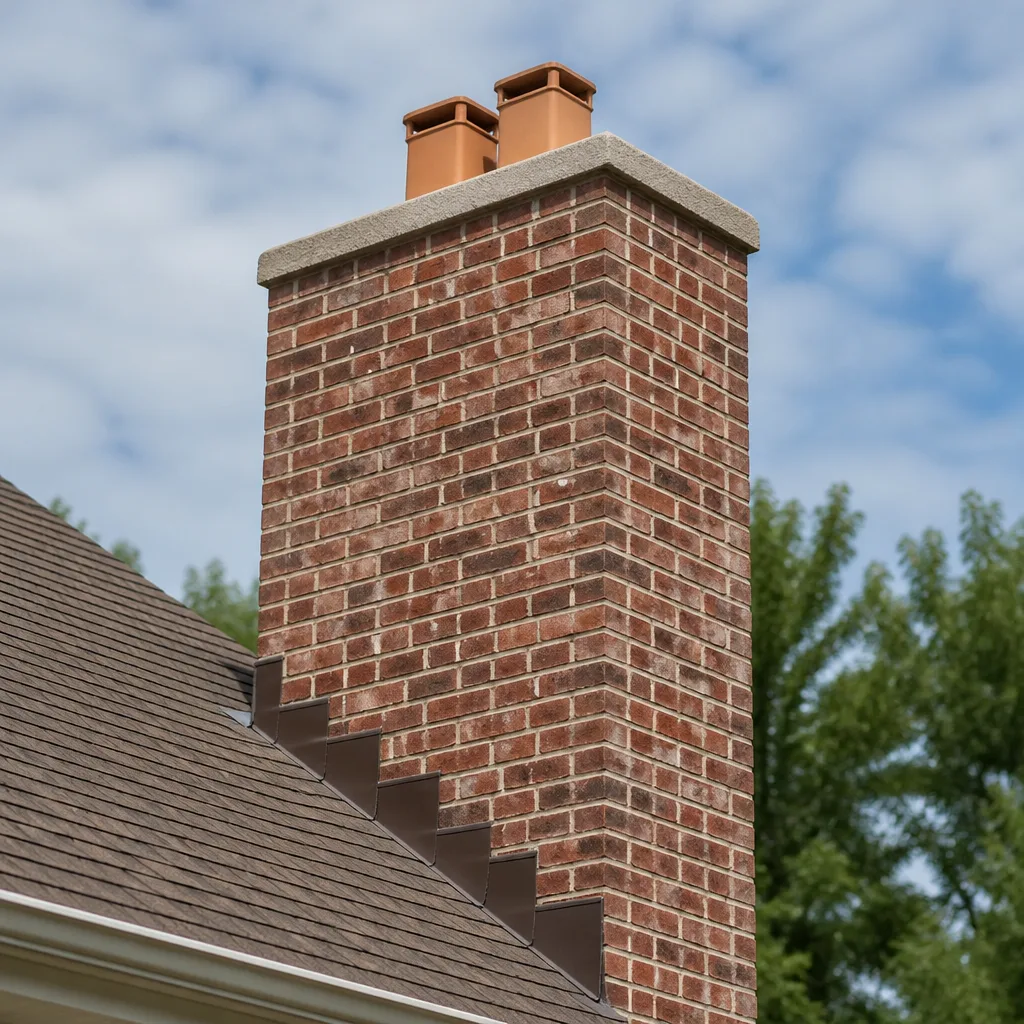 Masonry repair
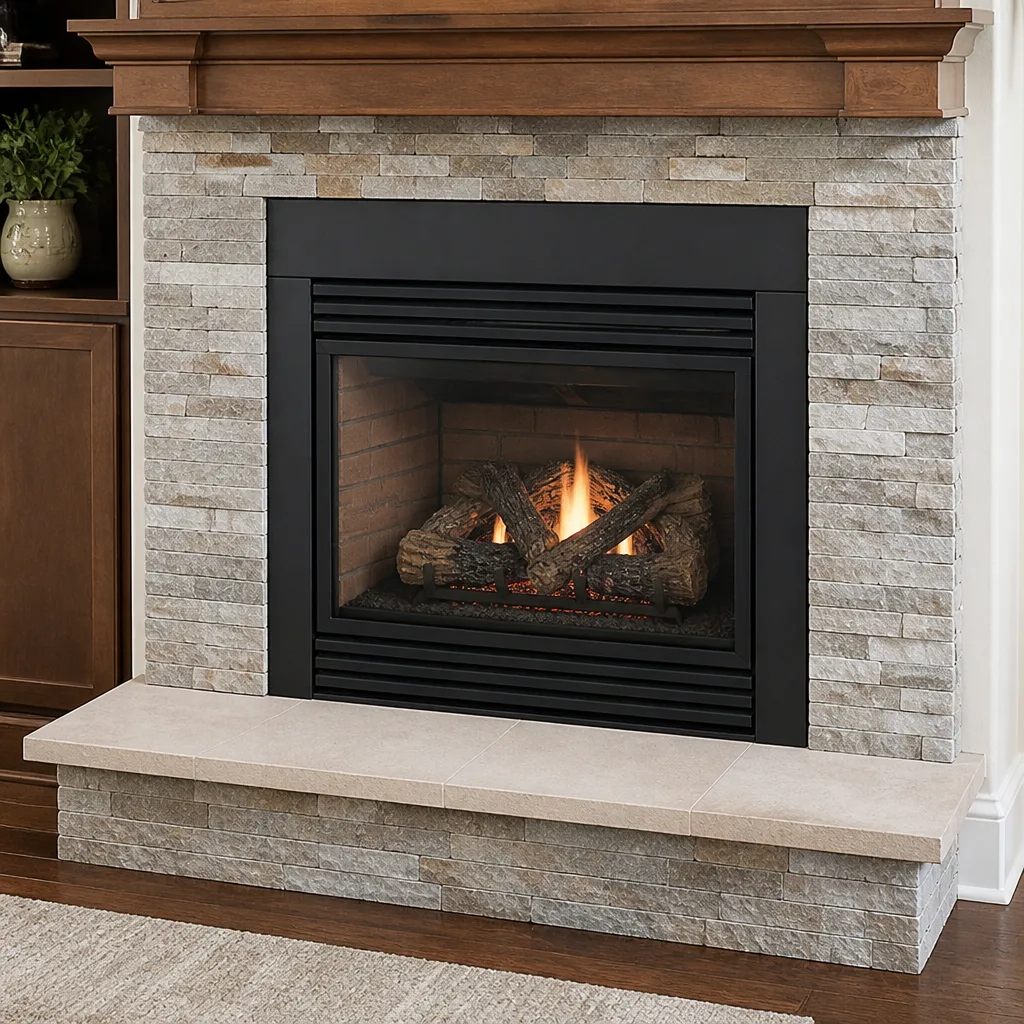 Gas fireplace service
Level 1 sweep and inspection to the NFPA 211 annual standard - flue, crown, cap, and flashing checked and photographed
Chimney sweep logs do not sweep chimneys. They loosen some creosote - which then falls where a brush and vacuum still have to collect it.
The Complete Guide to Chimney Cleaning in Highlands
Most chimney fires don’t start because homeowners skipped cleaning. They start because homeowners followed the wrong cleaning schedule for their climate and their fuel. A schedule borrowed from a national checklist written for sea-level suburbs doesn’t match what happens in a Highlands flue, where the burning season runs long, the air is thin, and a lot of fireplaces burn pine and mixed hardwood rather than the seasoned oak those generic guides assume. This guide treats Highlands chimneys as their own category: how creosote builds here, what the three stages look like, what a full cleaning includes beyond a basic sweep, and how to read your own chimney after the work is done so you’re not depending on a contractor’s word alone.
Quick Answer
Chimney cleaning in Highlands means removing creosote and soot from the flue, firebox, smoke chamber, and damper, then inspecting the whole system from the firebox to the crown to confirm it’s safe to burn again. Because Highlands sits at elevation with a long, cold burning season and heavy reliance on pine and mixed hardwood, creosote tends to accumulate faster and in harder forms than in lower-altitude Colorado homes, so most fireplaces here need sweeping once a year and some need it more often. A proper cleaning pairs the sweep with a Level 1 inspection, and the written findings should tell you exactly what condition your flue is in.
Styles & brands we work with
- Sweep & inspection
- Caps & crowns
- Flue relining
- Masonry repair
- Gas fireplace service
Table of Contents
- How Highlands Elevation and a Long Cold Season Change Creosote
- The Three Stages of Creosote and What’s Most Common Here
- Full-Service Cleaning vs. a Basic Sweep-Only Visit
- Why a Level 1 Inspection Belongs With Every Cleaning
- How to Read Your Chimney’s Condition After a Cleaning
- How Often Should You Schedule a Cleaning in Highlands?
- What to Expect During a Cleaning Visit
- What Chimney Cleaning Costs in Highlands
How Highlands Elevation and a Long Cold Season Change Creosote
Creosote forms when wood smoke cools before it exits the flue, condensing on the cooler walls as a sticky, then crusty, then glazed deposit. In Highlands, two things push that process harder than in a Front Range town at lower elevation. The first is the length of the burning season: cold nights arrive earlier and linger later, so a fireplace here runs across more months than one in a milder spot, and more fires mean more smoke cycling through the same flue. The second is the way thinner mountain air and quicker temperature swings affect draft. When a flue is slow to warm and the outside air is cold, smoke lingers longer inside the chimney, which gives creosote more time to settle.
What that means practically is that a fireplace burning steadily through a Highlands winter can build a meaningful layer of creosote within a single season. Homeowners who moved up from Denver or the plains often carry a “every other year is fine” habit with them, and that habit doesn’t transfer cleanly to this elevation. In our experience, the fireplaces that surprise people are the ones that were swept on a lower-altitude schedule and looked fine last time but are already carrying buildup this year.
Fuel choice matters just as much as elevation. Pine and other softwoods light quickly and burn hot, but they also produce more creosote than dense hardwoods when they’re not fully seasoned. A lot of Highlands wood is local pine and mixed hardwood, and if that wood is burned even slightly green, the moisture turns into steam, cools the smoke, and speeds up deposit formation. Dry wood and a warm flue are the two biggest levers a homeowner controls.
What drains draft in a Highlands flue
- Cold flue start-ups: the first fire after a cold snap produces the most condensation because the flue walls are coldest.
- Oversized flue for the firebox: a flue too large for the appliance lets smoke move slowly, so it cools before it exits.
- Short or partly blocked caps: a clogged or damaged cap restricts flow and traps smoke in the chimney longer.
- Green or damp wood: moisture is the single biggest driver of fast creosote buildup.
None of this is a reason to stop using your fireplace. It’s a reason to sweep on a Highlands schedule instead of a borrowed one, and to have the flue checked by someone who understands how this town’s fireplaces actually behave.
The Three Stages of Creosote and What’s Most Common Here
Creosote doesn’t appear all at once. It moves through three recognizable stages, and knowing which stage your flue is in tells you how urgently it needs attention. The stage also determines what kind of cleaning is required, which is why a sweep who only brushes may hand off a glazed flue to someone else.
- Stage 1 – soot and light flaky deposits. This is the dusty, easy-to-brush layer that builds after a handful of fires. It’s the most common stage in a flue that gets swept regularly, and standard brushing removes it cleanly.
- Stage 2 – hardened, crusty deposits. This is where the creosote becomes a brittle, tar-like crust that clings to the flue walls. It’s the most common stage we find in Highlands fireplaces burning pine and mixed hardwood through a long season, especially where the wood wasn’t fully seasoned. It takes more than a light brush pass to remove.
- Stage 3 – glazed, hardened creosote. This is the dense, shiny, fuel-rich layer that brushing alone can’t touch. It’s the most dangerous stage because it ignites readily, and it usually signals the flue needs more than a sweep – resurfacing or relining is often the honest answer.
In Highlands, Stage 2 is the working reality for a lot of homes, with Stage 3 showing up in fireplaces that ran hard on damp pine for several seasons without a proper cleaning. That distinction matters because a cleaning that only addresses soot and flaky creosote leaves the dangerous layer in place. When we find Stage 2 or Stage 3 deposits, we diagnose the whole flue – not just the part we can reach with a brush – before recommending anything.
Why the stage matters for your safety
A flue carrying only Stage 1 deposits is a maintenance item. A flue carrying Stage 2 or Stage 3 is a fire-risk item. The difference between the two is why a cleaning should always come with an inspection and a plain-language report on what was found. A homeowner shouldn’t have to guess which stage their chimney is in.
Full-Service Cleaning vs. a Basic Sweep-Only Visit
A basic sweep-only visit clears soot from the flue and calls it done. A full-service cleaning treats the whole chimney as one system and works from the firebox to the crown. The difference is visible to a homeowner if you know what to look for, and it’s the difference between a cleaning that makes your fireplace safer and one that just makes it look tidier.
A full-service cleaning in Highlands typically covers:
- The firebox and firebrick: soot and ash removed, and the firebrick checked for cracks or crumbling mortar.
- The damper: tested to confirm it opens, closes, and seals properly.
- The smoke chamber and smoke shelf: the transition zone above the damper where soot collects and drafting problems often begin.
- The flue itself: brushed from the top down, with the creosote stage noted and photographed.
- The cap and crown: checked for cracks, blockages, or damage that lets water in.
- An inspection report: written findings on the whole system, not a verbal “you’re all set.”
A sweep-only visit usually stops at the flue and sometimes the firebox. It won’t tell you the smoke chamber is packed with soot, the crown is cracked, or the flue has a glazed patch that brushing didn’t remove. Those are exactly the conditions that cause trouble later, and they’re the reason we treat a cleaning as a diagnosis as much as a service.
When the inspection turns up work that needs doing – a deteriorated flue that needs HeatShield resurfacing, a flexible DuraFlex liner for an offset or complex flue, or a chimney cap & crown repair – it gets handled by the same team that found it. You’re not handed a list and sent looking for another contractor. One crew, one call, from the firebox to the crown.
Why a Level 1 Inspection Belongs With Every Cleaning
A Level 1 inspection is a visual check of the accessible parts of the chimney and venting system – the firebox, damper, flue, and the exterior from the crown down. It doesn’t require special tools or opening walls, and it takes minutes as part of a cleaning. It should not be an optional add-on you’re upsold on after you’ve already booked a sweep. It’s the check that confirms the flue is safe to use after the creosote is gone.
The reason this matters in Highlands is that creosote stage and structural condition aren’t the same thing. A flue can be clean and still have a cracked flue tile, a failed mortar joint, or a crown that’s letting water in. Brushing removes the deposits; the inspection catches the damage. If the inspection finds something that needs a closer look – a hidden gap, a damaged liner, an offset the camera needs to see – that’s when a higher-level inspection comes into play, and the findings should come with pictures you can see.
An inspection-first approach also changes the recommendation. When the inspection is built into the cleaning, the sweep isn’t motivated by what they can sell – they’re reporting what the camera and the visual check found. If the flue is in good shape, you’ll hear that, and you’ll hear when work can safely wait. If it needs attention, you’ll see the evidence for yourself rather than taking it on faith.
What a Level 1 inspection checks
- Creosote buildup and stage in the flue
- Firebox, firebrick, and mortar condition
- Damper operation and seal
- Smoke chamber and shelf for soot and drafting issues
- Cap for blockage, damage, and fit
- Crown for cracks and water intrusion
- Visible exterior chimney structure
If your last cleaning didn’t include a written inspection report, that’s a sign the visit was a sweep and not a full service. It’s also a good reason to book a proper one.
How to Read Your Chimney’s Condition After a Cleaning
You shouldn’t have to rely entirely on a contractor’s verbal summary to know what state your chimney is in. A few things are visible to any homeowner after a cleaning, and knowing what to look for lets you ask better questions and spot problems early. This isn’t about doing your own inspection – it’s about reading the report you’re given and checking the parts you can see.
- Ask for the photos. A full-service cleaning should come with pictures of the flue, the creosote layer, the crown, and anything flagged. If there are no photos, ask why.
- Look at the firebox yourself. After a cleaning, the firebrick should be clean and the mortar joints should look solid, not crumbling. Any white staining or crumbling is worth asking about.
- Test the damper. It should open and close smoothly and seal when closed. If it sticks or won’t seal, that’s a finding, not a quirk.
- Check the crown from the ground. A cracked or crumbling crown lets water into the chimney, which damages the structure over time. It’s visible from outside with binoculars in many cases.
- Read the creosote stage in the report. Stage 1 is routine; Stage 2 and 3 are the ones that need a plan. The report should tell you which you have.
- Ask what can wait. An honest report distinguishes between work that’s needed now and work that can be scheduled later. If everything is urgent, get a second opinion.
The point of reading your chimney this way is not to replace a professional. It’s to make you a better judge of what you’re told, so you’re not making a decision about relining or masonry work with no way to verify it. A good sweep wants you to see what they see.
How Often Should You Schedule a Cleaning in Highlands?
Most Highlands fireplaces need a cleaning once a year, and some need it more often. The general rule of thumb is to sweep when creosote reaches about an eighth of an inch in the flue, or once a year for a regularly used fireplace, whichever comes first. In a long-season, pine-burning climate like Highlands, a heavily used fireplace can reach that amount within a single winter, so an annual cleaning is the floor for most homes, not the ceiling.
Some homes should book sooner or more often:
- High-use fireplaces: if you burn most nights through the cold season, a mid-season check isn’t overkill.
- Pine and softwood burners: these fuels build creosote faster than dense hardwoods, especially if the wood isn’t fully dry.
- Older fireplaces with larger or offset flues: draft is often weaker, so smoke lingers and deposits form faster.
- Homes where the last cleaning found Stage 2 or 3 creosote: a follow-up check confirms the cleaning actually removed it.
The best time to book is before the burning season starts, so the flue is clean and inspected before the first cold night. Booking after a long winter is the second-best time, because it clears the season’s buildup before it sits in the flue through the off months. Either way, the schedule should match how you actually burn, not a calendar someone else set for you.
Signs it’s time before the year is up
- A strong, acrid smell from the fireplace even when it’s not in use
- Smoke rolling back into the room instead of going up
- Black, flaky debris falling into the firebox
- A noticeably weaker draft than last season
- Visible soot or creosote on the damper or smoke chamber
What to Expect During a Cleaning Visit
A professional cleaning in Highlands is a contained, methodical job, not a messy afternoon. Knowing the sequence helps you prepare and helps you judge whether a visit was thorough. Here’s how a full-service cleaning typically runs, step by step.
- Protect the room. Drop cloths and a sealed vacuum setup keep soot out of your living space.
- Inspect before sweeping. The technician checks the firebox, damper, and flue condition before any brushing, so the starting point is documented.
- Sweep the flue. Brushes sized to the flue clear soot and creosote from the top down, with the stage noted as they go.
- Clean the firebox and smoke chamber. Soot and ash are removed, and the firebrick and mortar are checked.
- Check the cap and crown. The exterior is inspected for blockages, cracks, and water intrusion.
- Report the findings. You get a written summary with photos, including anything that needs attention and what can safely wait.
If the inspection finds work that needs doing – a flue that needs resurfacing, a damaged cap, or a repair – the finding is explained with the evidence in front of you. Nothing gets recommended without a reason you can see. And if a repair is needed, the same team can handle it, whether that’s fireplace repair or a crown replacement, so you’re not starting over with someone new.
What Chimney Cleaning Costs in Highlands
Chimney cleaning in Highlands is priced per job by a written estimate, and the estimate is free. The final price depends on the flue condition, how much creosote has built up, and whether the visit includes an inspection and report. Because pricing is set per job, the number you get reflects your chimney, not a flat national rate.
Factors that move the estimate:
- Creosote stage: Stage 2 and Stage 3 deposits take more work than a soot-only flue.
- Flue configuration: offset or complex flues take longer than a straight run.
- Access: roof access and cap condition affect the time on site.
- Scope: a full-service cleaning with inspection and report differs from a sweep-only visit.
- Findings: if the inspection turns up a repair, that’s quoted separately and explained before anything is booked.
The written estimate sets the final price, so there are no surprises after the work starts. If a repair is recommended, it comes with the inspection evidence behind it, and you’ll be told plainly when work can wait. A free estimate in Highlands starts with a call to (844) 443-4562.
Common Mistakes to Avoid
- Following a national cleaning schedule. A once-every-other-year habit borrowed from a lower-altitude suburb doesn’t account for Highlands’ long season and pine-heavy fuel. Match the schedule to how you actually burn.
- Burning green or damp wood. Moisture is the fastest route to Stage 2 and Stage 3 creosote. Season your wood fully before it goes in the firebox.
- Treating the inspection as optional. A cleaning without a Level 1 inspection misses structural problems that brushing can’t catch. The report is part of the service, not an add-on.
- Accepting a verbal “you’re all set.” Ask for photos and a written report. You should be able to see what the sweep saw.
- Hiring a sweep-only generalist for a full-system problem. If the flue needs resurfacing or relining, a brush-only visit leaves the real issue in place. Look for a team that can diagnose and do the work.
- Ignoring the crown and cap. Water intrusion from a cracked crown damages the chimney structure over time. It’s one of the most overlooked failure points and one of the easiest to fix early.
- Waiting until smoke backs up. By the time you notice a draft problem, the flue has usually been building deposits for a while. Book before the season, not after the trouble.
See the difference
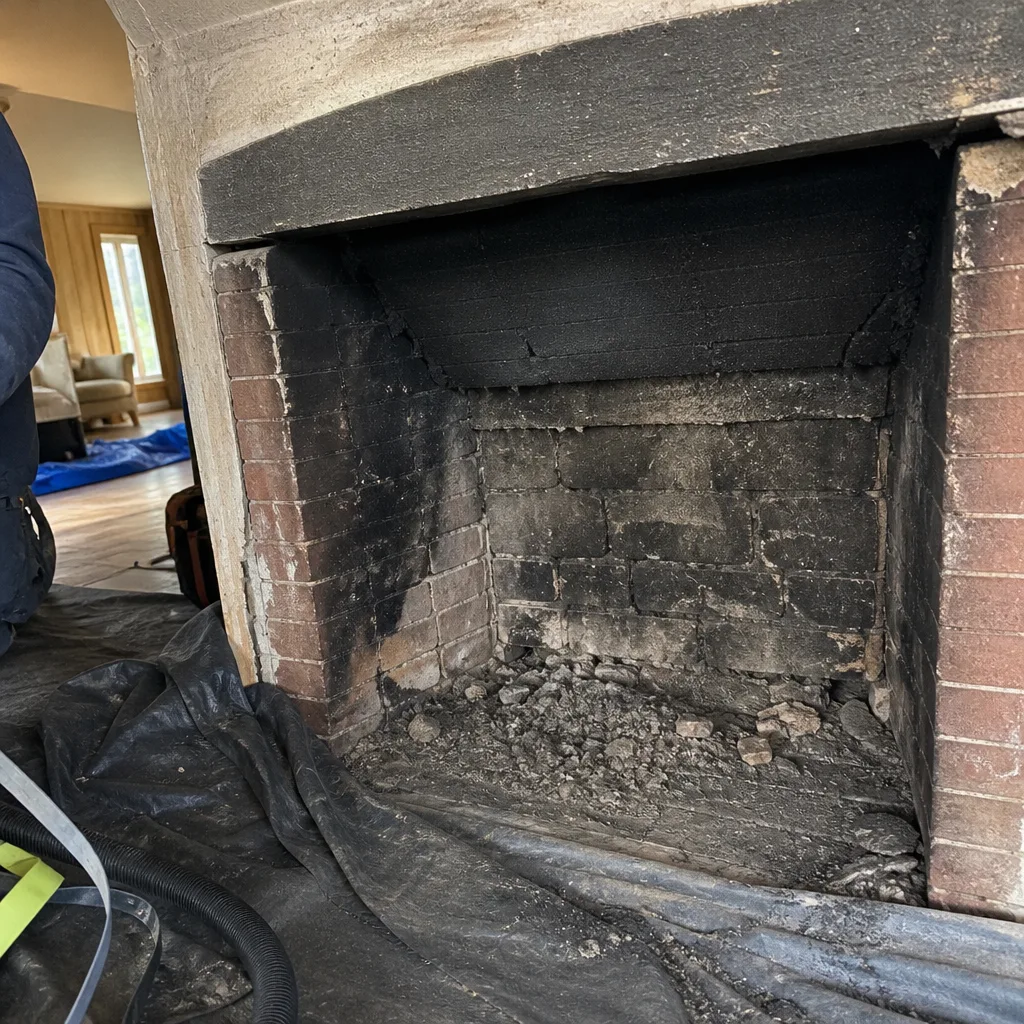 Before
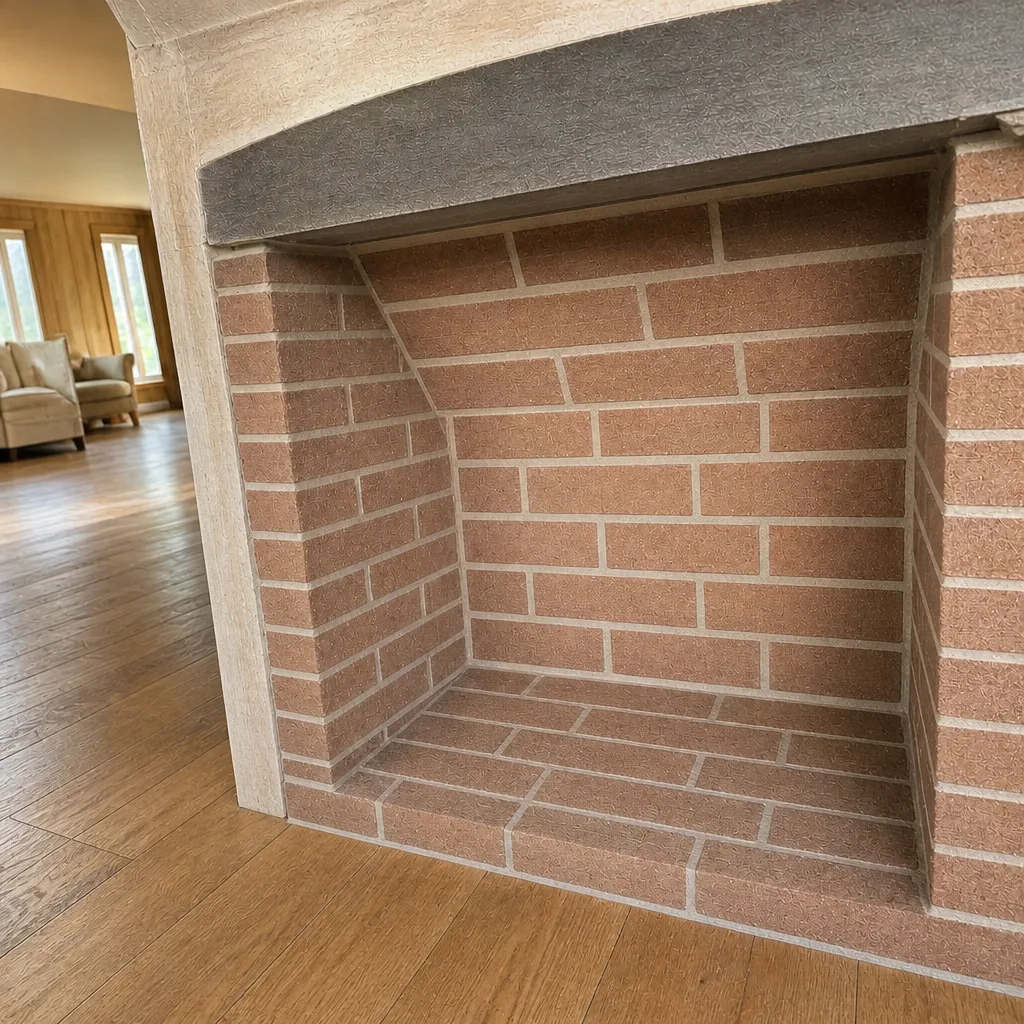 After
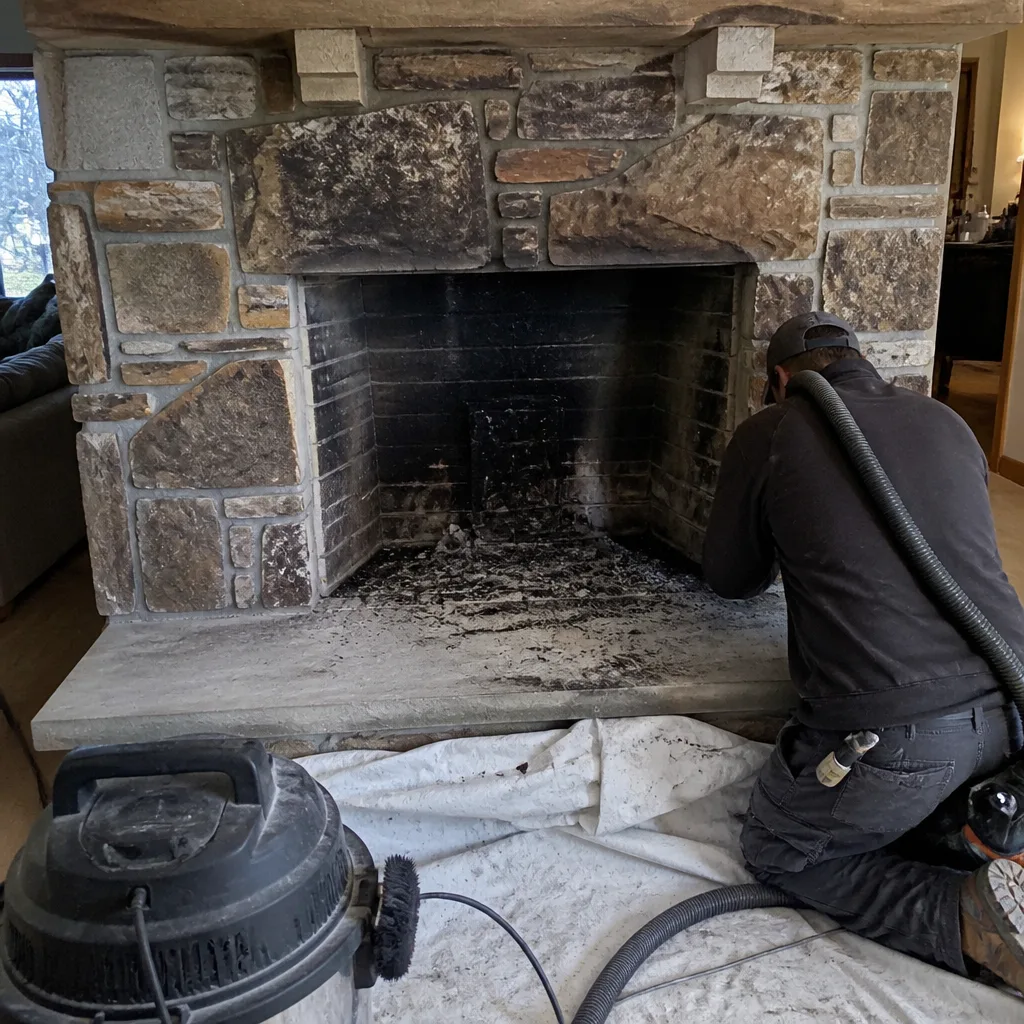 Before
 After
 Before
 After
When to Call a Professional
Some issues are a cleaning, and some are a call. If your fireplace hasn’t been swept in more than a year, if you burn pine or mixed hardwood regularly, or if you’ve noticed smoke rolling back, a strong smell, or flaky black debris, it’s time to book a professional cleaning and inspection. The same goes for any home where the last sweep found Stage 2 or Stage 3 creosote, or where the cap and crown look cracked from the ground. These are the situations where a look from someone who understands Highlands chimneys saves you from a bigger problem later. If a fire has ever started in the flue, or if you see damage to the firebox or liner, don’t burn again until it’s been inspected. Chimney Sweep Highlands offers free estimates in Highlands – call (844) 443-4562.
High-tension components and structural chimney work aren’t a homeowner job. If an inspection points to a repair, a trained professional should handle it, and that’s what we do.
Frequently Asked Questions
Chimney cleaning in Highlands is priced per job by a written estimate, and the estimate is free. The final price depends on flue condition, creosote stage, access, and whether the visit includes an inspection and report. Call (844) 443-4562 for an exact quote – estimates are free.
Most Highlands fireplaces need a cleaning once a year, and high-use or pine-burning fireplaces may need a mid-season check. The long cold season and reliance on pine and mixed hardwood build creosote faster than in lower-altitude homes. Book before the burning season starts so the flue is clean and inspected before the first cold night.
A basic sweep clears soot from the flue. A full-service cleaning covers the firebox, damper, smoke chamber, flue, cap, and crown, and includes a written inspection report with photos. In Highlands, the full-service version is what catches the structural problems a brush-only visit misses.
Yes – a Level 1 inspection should accompany every cleaning. It’s the visual check that confirms the flue is safe after the creosote is removed and catches damage brushing can’t, like cracked flue tiles or a failing crown. It shouldn’t be an optional upsell.
Smoke rolling back into the room, a strong acrid smell, flaky black debris in the firebox, and a weaker draft than last season are all signs it’s time. Any of these means book a cleaning and inspection rather than waiting for the annual date. Call (844) 443-4562 to schedule.
Sometimes, yes – and an honest inspection will tell you so. If the creosote is only Stage 1 and the structure is sound, the report should say the work can wait. Nothing gets recommended without evidence you can see, and that includes telling you when there’s no rush.
The Bottom Line
Chimney cleaning in Highlands is not a generic service on a generic schedule. The long burning season, the thinner mountain air, and the local reliance on pine and mixed hardwood push creosote to build faster and in harder stages than most national guides account for. Sweep annually at minimum, match the schedule to how you actually burn, and treat the Level 1 inspection as part of the cleaning rather than an add-on. Read the report, look at the photos, and ask what can wait. When work is needed, a team that can diagnose from the firebox to the crown and do the repair itself saves you the referral runaround. If you’re ready to book, we’re here.
Call (844) 443-4562 for a free estimate. We answer 24/7. Fast dispatch from 7am to 7pm, Sunday through Friday. Whether you need a routine chimney sweep before the season or a full diagnosis of a stubborn flue, we’ll inspect first and recommend honestly. To learn more about who we are and how we work, visit Chimney Sweep Highlands.
Written by the team at Chimney Sweep Highlands.