
Last updated November 24, 2026
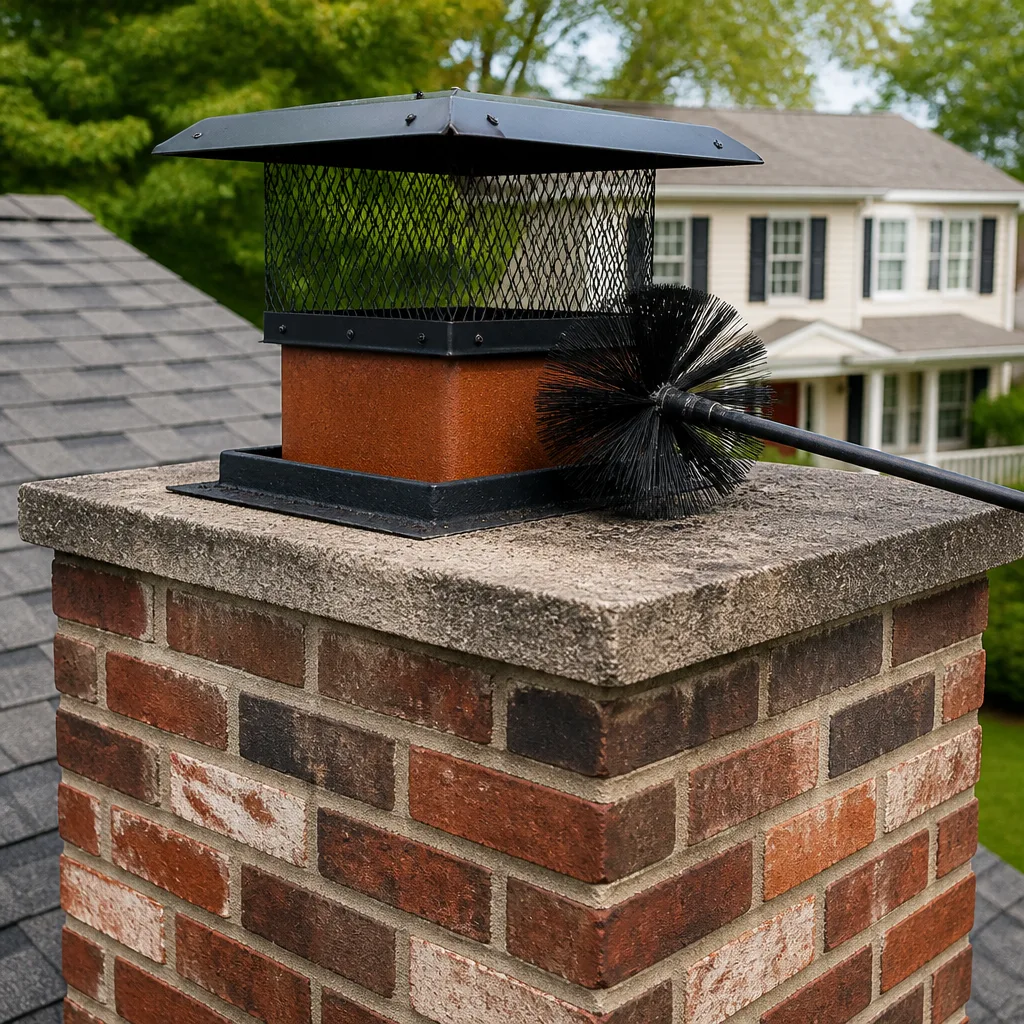 Sweep & inspection
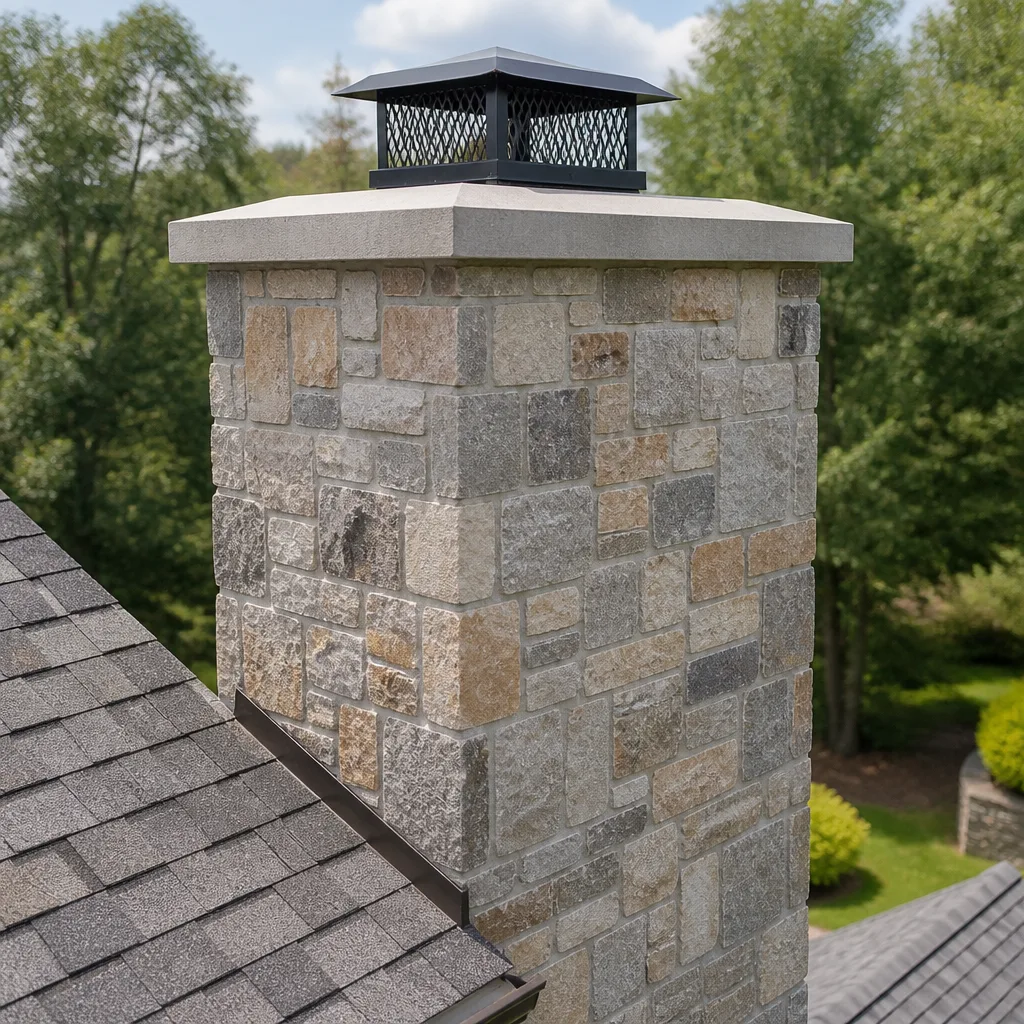 Caps & crowns
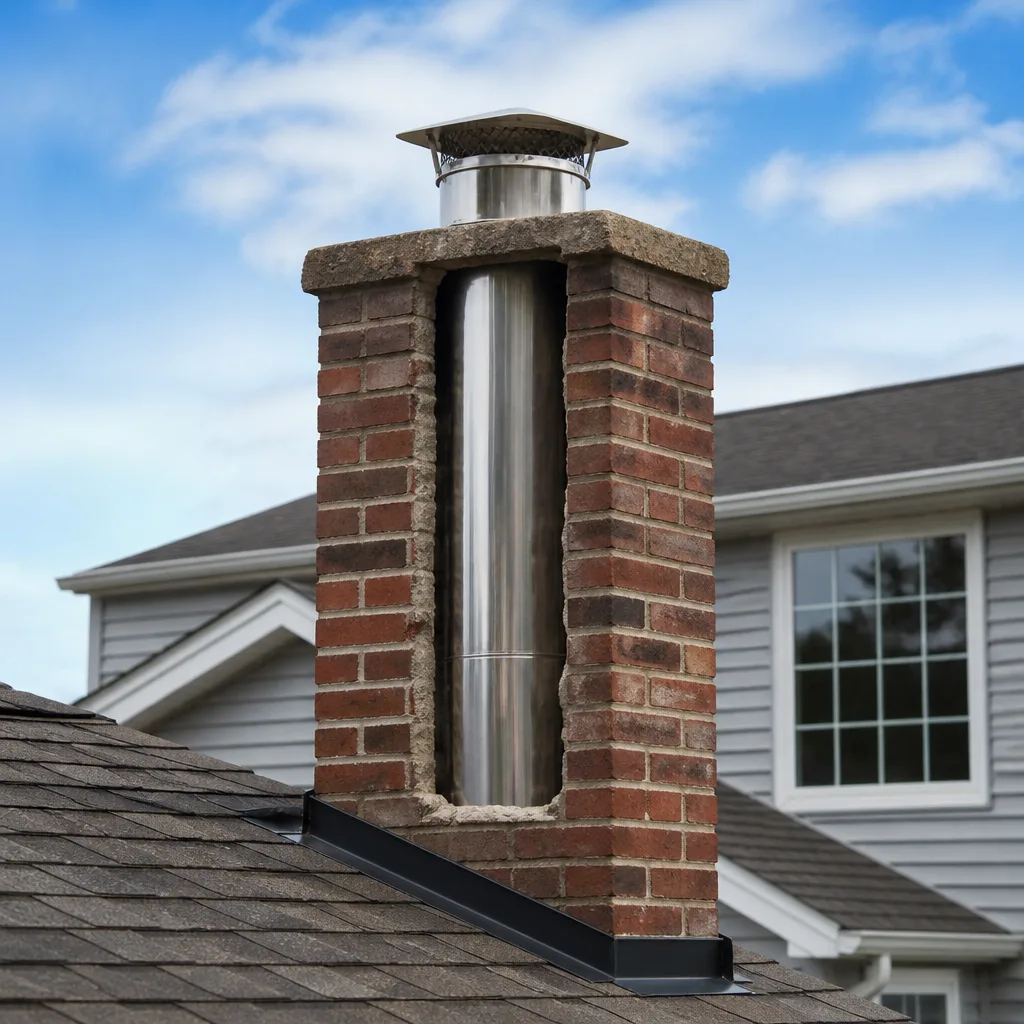 Flue relining
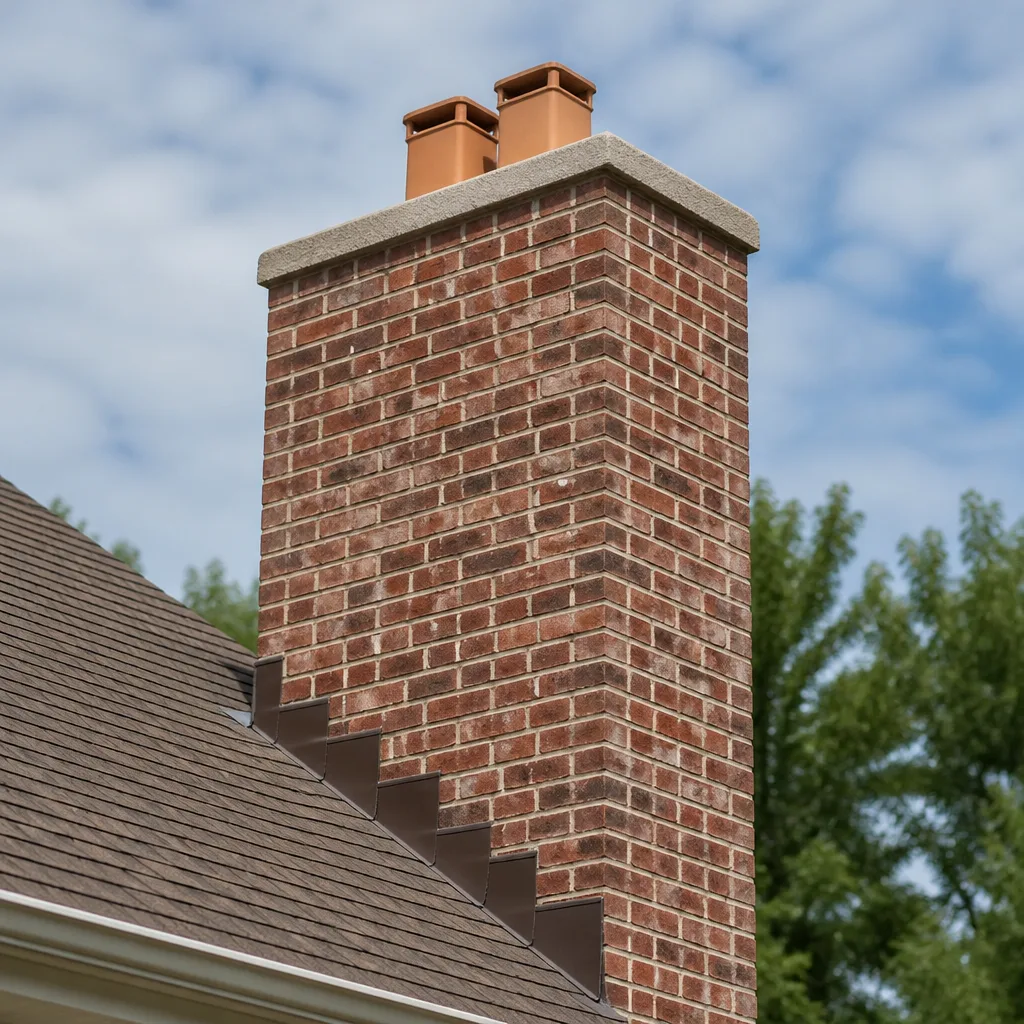 Masonry repair
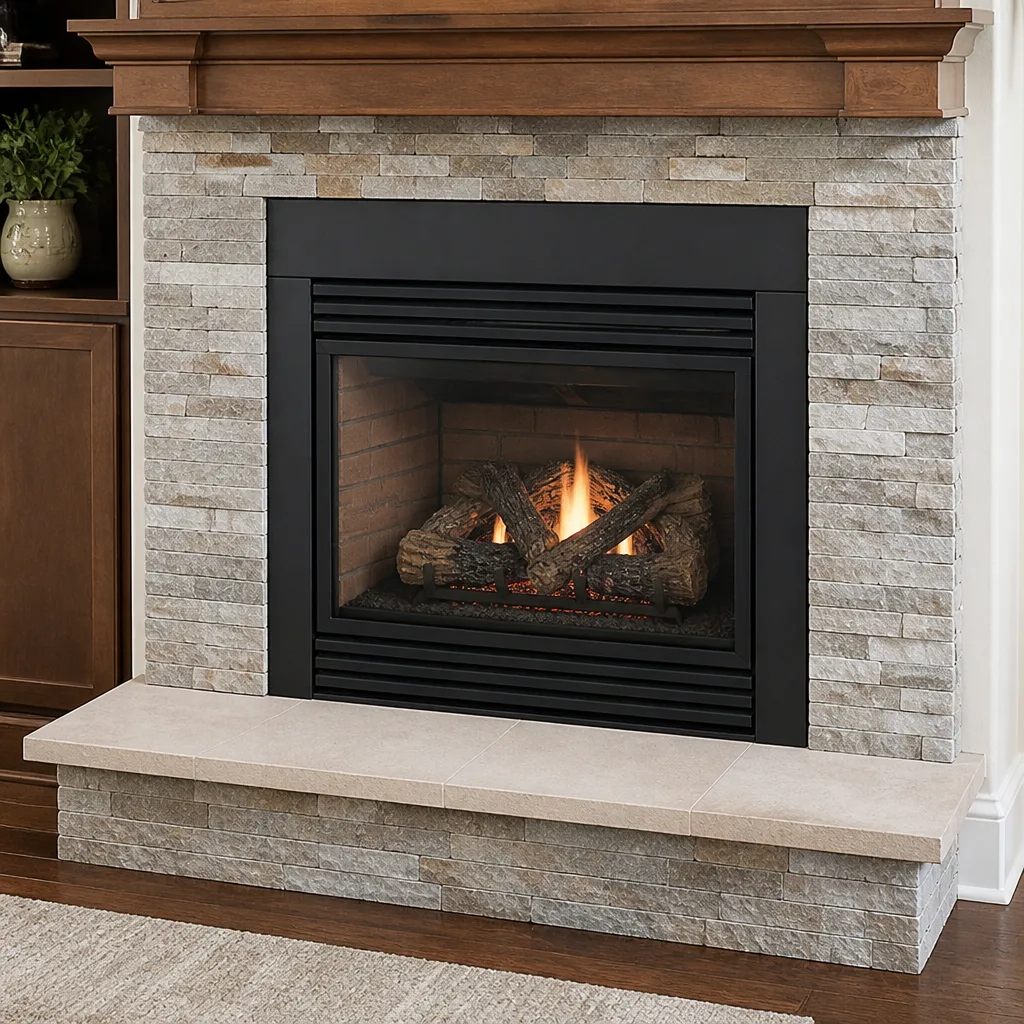 Gas fireplace service
Level 1 sweep and inspection to the NFPA 211 annual standard - flue, crown, cap, and flashing checked and photographed
Chimney sweep logs do not sweep chimneys. They loosen some creosote - which then falls where a brush and vacuum still have to collect it.
Seasonal Chimney Cleaning Care for Highlands: Year-Round Homeowner’s Guide
Most homeowners in Highlands treat the chimney like a lawnmower: pull it out in fall, put it away in spring. That assumption is backwards. The most consequential season for a chimney here isn’t winter at all. It’s the long stretch from May through September, when your flue sits idle and the mountain weather does slow, patient work on the crown, the cap, and the masonry around it. Water doesn’t announce itself. It seeps, freezes, expands, and quietly loosens mortar over one or two seasons. By the time you light the first fire in October, damage that started in July is already set. This guide walks through what we’ve learned about caring for a Highlands chimney across all four seasons, from the first fire of the year to the last thaw of spring.
Quick Answer
The right way to care for a Highlands chimney is to clean it in late spring after the last fire, inspect it before the first fire of fall, and check the cap, crown, and flashing several times through the summer and early winter. A single fall sweep misses the freeze-thaw and moisture damage that accumulates between May and September. The calendar here is not “clean in fall and forget it” – it’s a three-season watch with winter storm checks in between.
Styles & brands we work with
- Sweep & inspection
- Caps & crowns
- Flue relining
- Masonry repair
- Gas fireplace service
Table of Contents
- Why Late Spring Is the Right Time to Clean, Not Fall
- What Freeze-Thaw Cycles Do to a Highlands Crown and Cap
- Summer Moisture: What to Look For Before Burning Season
- Fall Prep Checklist for the First Fire
- How to Spot Winter Storm Damage Without Getting on the Roof
- The Spring Shoulder Season: Cleaning and Inspection
- What a Professional Sweep Includes
- When to Call a Professional
Why Late Spring Is the Right Time to Clean, Not Fall
The conventional advice is to sweep in the fall, right before you start burning. It sounds tidy. It’s also the wrong season for a Highlands chimney, for two reasons.
The first is that creosote and soot sit in the flue for months while the weather does its slow damage. After the last fire of the season – usually around late April or early May at this elevation – the deposits left on the flue walls are at their freshest and easiest to remove. Once they’ve baked and cured through a hot summer, they bond to the masonry and become harder, more stubborn, and less responsive to a normal sweep.
The second reason is diagnostic. Late spring cleaning gives you a full inspection of the flue, firebox, damper, and smoke chamber before the long idle season, so any weakness is caught and corrected before it has a whole summer to get worse. A fall sweep tells you what the summer already broke. A spring sweep tells you what the summer is about to stress.
Customers often ask whether the timing really matters. In our experience it does, especially on older Highlands homes with clay tile flues and exterior masonry chimneys. The flue that gets cleaned and inspected in late spring has all summer to dry out and stabilize. The one swept in October has already spent four months in the wet.
What changes after a full summer of sitting
A chimney that sits idle through a Highlands summer picks up three things: moisture absorbed into masonry, dust and debris blown down the flue, and – on chimneys with a failed or missing cap – possible animal activity. By the time you’re ready to light a fire in October, all three can affect draft and safety. A late-spring sweep and inspection followed by a fall check means you’re closing the loop on both ends.
What Freeze-Thaw Cycles Do to a Highlands Crown and Cap
The chimney crown – the concrete or masonry slab at the very top of the chimney that caps the top of the flue – is the most overlooked part of the whole system. It’s also the one most vulnerable to a Highlands late winter. In February, March, and April this area sees overnight temperatures swing below freezing and daytime temperatures rise well above it. Snowmelt in the afternoon soaks into a hairline crack in the crown. Then the night freeze drives that water into ice, and ice expands. A quarter-inch crack becomes a half-inch gouge. Repeat that ten or twenty times in a season and a sound crown becomes a failing one.
Most people don’t notice, because the crown sits at the top of the house and the visible signs take a while to show up. What eventually appears at ground level is a water stain on the ceiling, a rust spot on the firebox, or white efflorescence on the exterior brick. By then the crown has usually been cracked for a season or two.
What a cap does under the same conditions
A good chimney cap does two jobs. It keeps rain and snow out of the flue, and it keeps animals and debris out of the chimney. The cap on a Highlands chimney takes a beating from late-winter storms: driven snow, sleet, and ice can bend a cheap cap, pull fasteners loose, or crack the spark screen. If your cap has shifted off-center, is visibly rusted through, or is missing a screen panel, it isn’t doing either job.
If the crown is cracked or the cap is damaged, fixing it isn’t a downstream concern. From the firebox to the crown, moisture damage works its way down; a small crack in the crown is the open door. chimney cap & crown repair done properly – sealing or rebuilding the crown and installing a cap that fits the flue – is one of the cheapest repairs in chimney work and one of the highest-payoff ones. It’s worth checking every spring and again in late fall before the first real snow.
Summer Moisture: What to Look For Before Burning Season
Summer in Highlands is the season most homeowners assume the chimney is “off.” It’s actually the season the chimney does the most accumulating damage. Thunderstorms come through in the afternoons, soak the exterior masonry, and then the sun comes back out. Water that gets behind the crown, flashing, or a loose cap sits in the system. Masonry that’s saturated doesn’t dry overnight – it holds moisture for days. And when it finally dries, it leaves behind mineral deposits that weaken mortar joints over time.
You don’t need to be on the roof to spot the early signs. Here’s what to check from inside and from the ground:
- Interior ceiling or wall stains near the chimney chase. Any new stain is a sign that water is getting in from above.
- White chalky residue on exterior brick (efflorescence). It’s the visible result of moisture moving through masonry and leaving salts behind.
- Rust on the firebox, damper, or flue liner top. Moisture inside the flue is the most common cause.
- A musty or smoky smell when the flue is idle. This can mean creosote deposits are reacting with humidity or that water is pooling in the smoke chamber.
- Loose mortar or spalling brick on the exterior. Freeze-thaw damage in the making.
- A cap that’s visibly shifted, missing panels, or rusted. Any of these means water and animals can get in.
If you spot any of these in June, July, or August, the right move is a professional inspection – not waiting until fall. A camera inspection tells you exactly where water is entering and whether it’s already affected the flue or smoke chamber. Nothing gets recommended without that evidence, and you see the footage yourself.
Fall Prep Checklist for the First Fire
By the time you’re ready for the first fire of the season – usually mid-September or early October in Highlands, depending on overnight temperatures – the chimney should already be cleaned and inspected from spring. Fall is the final confirmation, not the main event. Here’s a simple checklist to walk before that first burn:
- Check the cap and crown visually from the ground. Look for shifted caps, missing screens, cracked concrete, or loose masonry at the top. Binoculars work fine.
- Open the damper and check for obstruction. Animals, nests, and leaves can block the flue over the summer. If airflow feels restricted, stop and call for an inspection.
- Look up the flue with a flashlight. Check for heavy soot buildup, cracks, or a visible gap in the liner. If you can see through the liner to brick, that’s a repair conversation.
- Check the firebox for cracks or crumbling mortar. Small cracking in firebrick is common and often cosmetic; larger cracks or pieces falling out need an inspection.
- Test your smoke and carbon monoxide detectors. Chimney and CO risk are connected – one failed detector is the bigger problem.
- Have a professional inspection if anything above looks off, or if you haven’t had a full inspection in over a year. A clean flue and a confirmed cap are the two things that matter most before your first fire.
One point on timing: it’s easy to put off the fall check until the weather turns. Don’t. The first overnight freeze in Highlands often arrives before the first fire, and any water sitting in a cracked crown will freeze on that night whether you’re ready or not.
How to Spot Winter Storm Damage Without Getting on the Roof
If you’re not comfortable on a roof – and you shouldn’t be, especially on ice – you can still do a meaningful winter check from the ground and from inside the house. Here’s what to watch for through the coldest months:
- Ice at the cap or around the top of the chimney. Ice damming at the cap usually means water is pooling before it can drain. A well-fitted cap sheds water; a cap that lets it pool is either damaged or the wrong size.
- Animal tracks or droppings near the chimney base inside the house or on the roof from your vantage point. Squirrels, birds, and raccoons like a warm chimney. Evidence of activity means the cap or spark screen has an opening.
- A sudden change in draft. If the fireplace smokes back into the room, or if the fire is harder to light than usual, there may be an obstruction.
- New water stains after a storm. Any new stain on the ceiling, chimney chase, or attic sheathing is worth photographing and mentioning to a sweep.
- Loose brick or mortar visible from the ground. Freeze-thaw damage can loosen joints without obvious signs inside the house.
- A cap that’s moved after wind storms. Look from the driveway after any significant storm.
One safety note here: never climb onto a snow-covered or icy roof to investigate a chimney issue, and never open the cap or crown area to “check on it” yourself. A wet or icy roof is one of the most dangerous surfaces on a residential property, and chimney caps are usually mounted at a height and angle that isn’t safe to reach without fall protection. If something looks wrong, call for an inspection and let a trained professional take the roof access risk.
The Spring Shoulder Season: Cleaning and Inspection
Here’s why late spring earns the top slot in this calendar. Right after the last fire, three things align: the flue has fresh creosote (easiest to remove), the chimney has a full inspection window before summer heat stresses it, and any repairs identified in that inspection get done during the easiest weather of the year. Masonry that needs a new crown, a cap replacement, or a HeatShield resurfacing application in a deteriorating flue can be done in May or June without racing cold weather.
This is where a chimney sweep in Highlands can make a real difference if the inspection turns up something. Many sweep-only companies will clean, inspect, identify a problem, and hand you a referral slip. If a chimney needs a crown rebuild, a cap installation, or a HeatShield ceramic resurfacing – which is the standard professional fix for a spalling or deteriorated flue lining that is still structurally sound – the same company that found it should be able to fix it. Our team installs HeatShield liner resurfacing and works with DuraFlex flexible liner systems for the older, offset flue configurations that show up in Highlands homes. One crew, one call, no referral runaround.
If your chimney does need a liner, the trade-grade materials matter. The brand roster here is DuraFlex, HeatShield, Gelco, Olympia Chimney, Famco, and Copperfield – the same names specified by certified chimney professionals across the country, not generic contractor-supply substitutes. That matters most on older homes where the flue was built for a different era of wood heat.
The spring checklist
- Book the sweep right after the last fire of the season. April or May in Highlands gives you the best window.
- Have a full inspection with camera evidence. Ask for video or photos of the flue so you can see the findings yourself.
- Address any findings during the shoulder season. Repairs done in late spring and early summer have the best weather and the least pressure.
- Confirm the cap is seated and the crown is intact before summer storms. If the crown has cracked over the winter, this is when to fix it.
- Note anything for a fall re-check. Keep a short list so the fall walkthrough is fast.
What a Professional Sweep Includes
A proper chimney sweep in Highlands isn’t a quick brush-and-go. The full service should include a thorough cleaning of the firebox, smoke chamber, damper, and flue, plus a visual inspection with a camera where needed. When we sweep a chimney, the inspection is a standalone service – not a throw-in – because the whole point is that the inspection tells you what the chimney actually needs. Inspect first, recommend honestly.
Specifically, a professional visit should cover:
- A full cleaning of the firebox, damper, smoke chamber, and flue. Using the right brushes for the flue type – clay tile, metal, or lined.
- A camera inspection of the flue lining where the visual inspection doesn’t reach. This is what lets a sweep see cracks, gaps, or a failing liner that a pass-through can’t catch.
- A visual inspection of the cap, crown, flashing, and exterior masonry from the roof or from a vantage that can see all sides of the chimney top.
- Photo or video footage shared with you, not just a verbal description. You should be able to see what we see.
- Written findings that separate “needs to be fixed now,” “fix before the next burning season,” and “keep an eye on it.”
The written findings piece is the one most homeowners don’t get from a budget sweep. Our chimney sweep service is built around that: a flat-price sweep agreed before booking, camera inspection and a photo report included, and a plain statement of what can safely wait.
When to Call a Professional
Some chimney work is annual maintenance. Some of it needs a call now. Here are the scenarios we’d act on quickly in Highlands:
- You haven’t had the chimney swept or inspected in over a year, and you’ve been burning regularly.
- You see new water stains on the ceiling, wall, or attic sheathing near the chimney chase.
- The cap is visibly shifted, missing screens, or rusted, or you’ve seen signs of animal activity near the top.
- The crown is cracked, or exterior masonry is loose or spalling.
- Your smoke or carbon monoxide detector has gone off, or you smell smoke in the house when the fireplace is burning.
- You’re buying a home in Highlands with a fireplace, and want an inspection before you close.
- Your existing liner is old, damaged, or of unknown age, and you’re planning a full season of burning.
Chimney Sweep Highlands offers free estimates in Highlands. Call Chimney Sweep Highlands at (844) 443-4562 to schedule an inspection or a sweep. We answer 24/7. Fast dispatch from 7am to 7pm, Sunday through Friday.
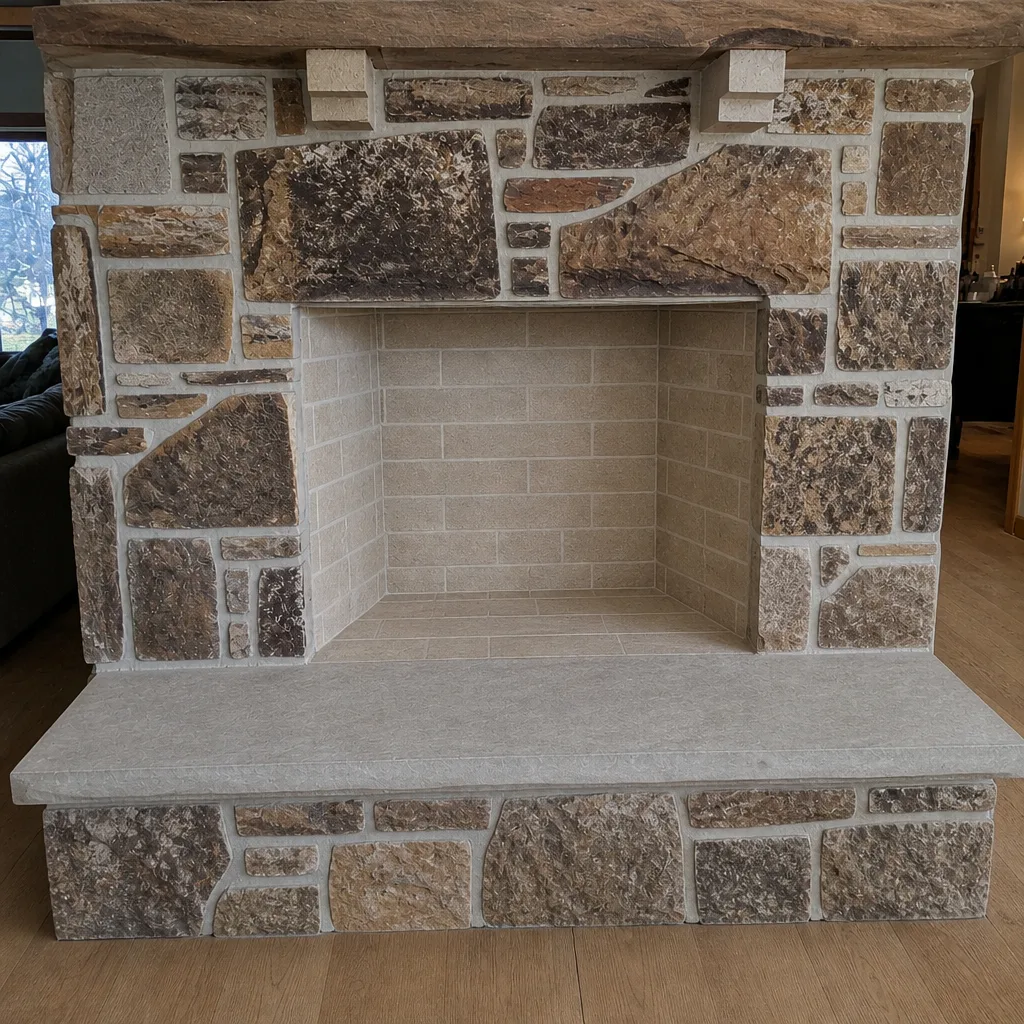
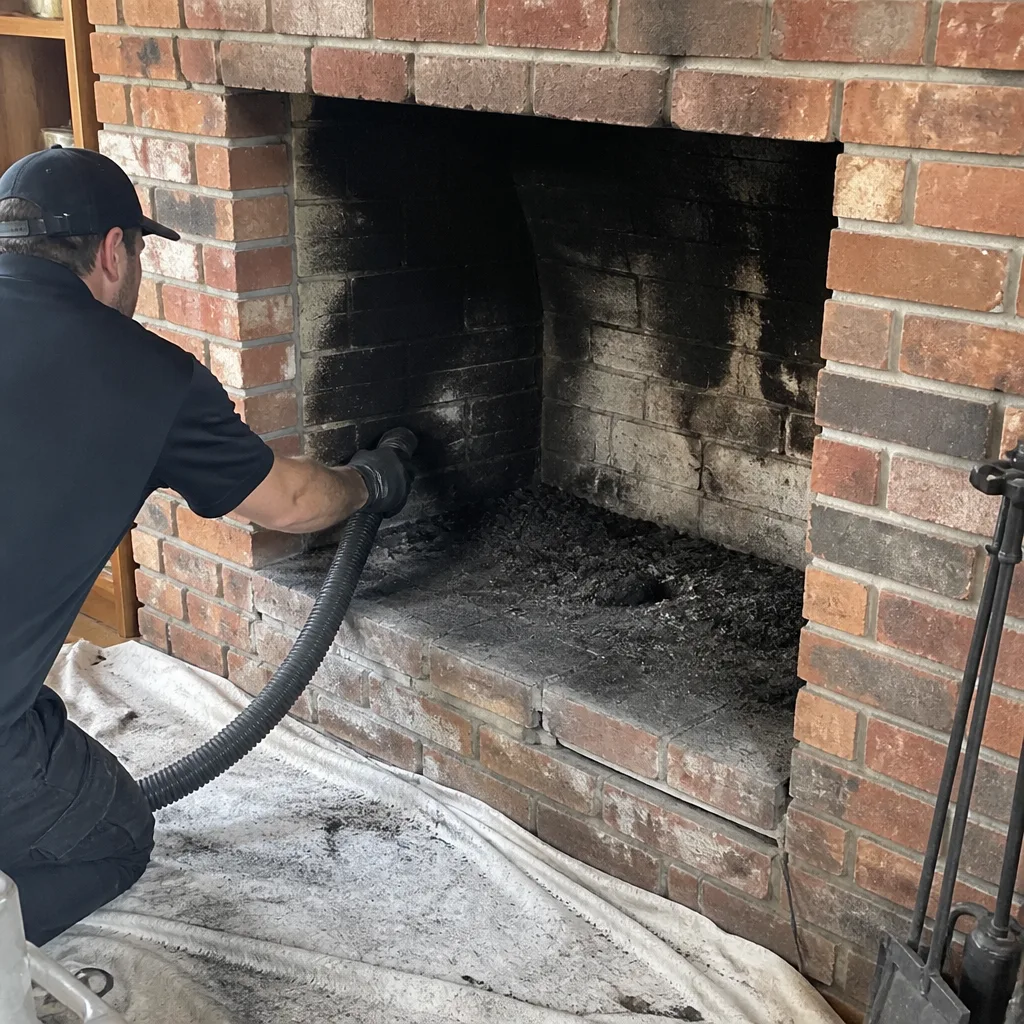
See the difference
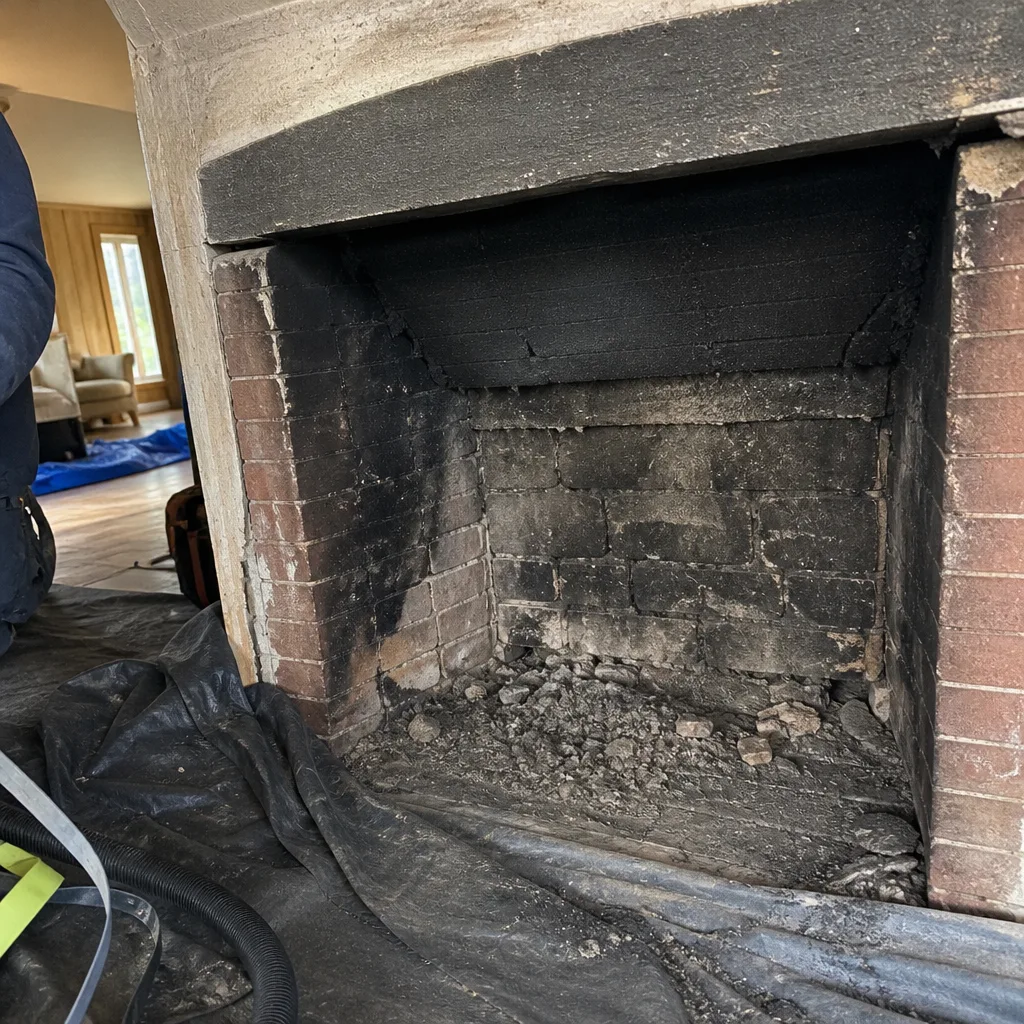 Before
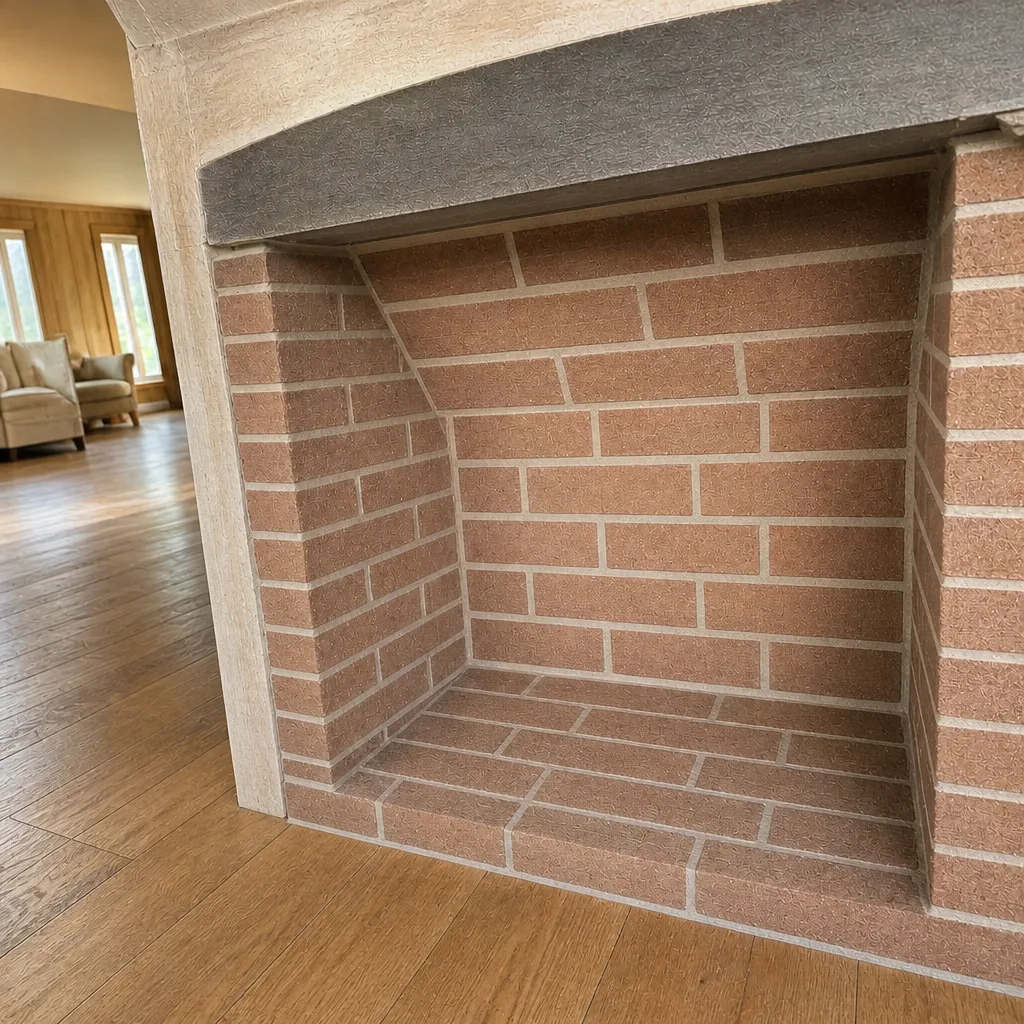 After
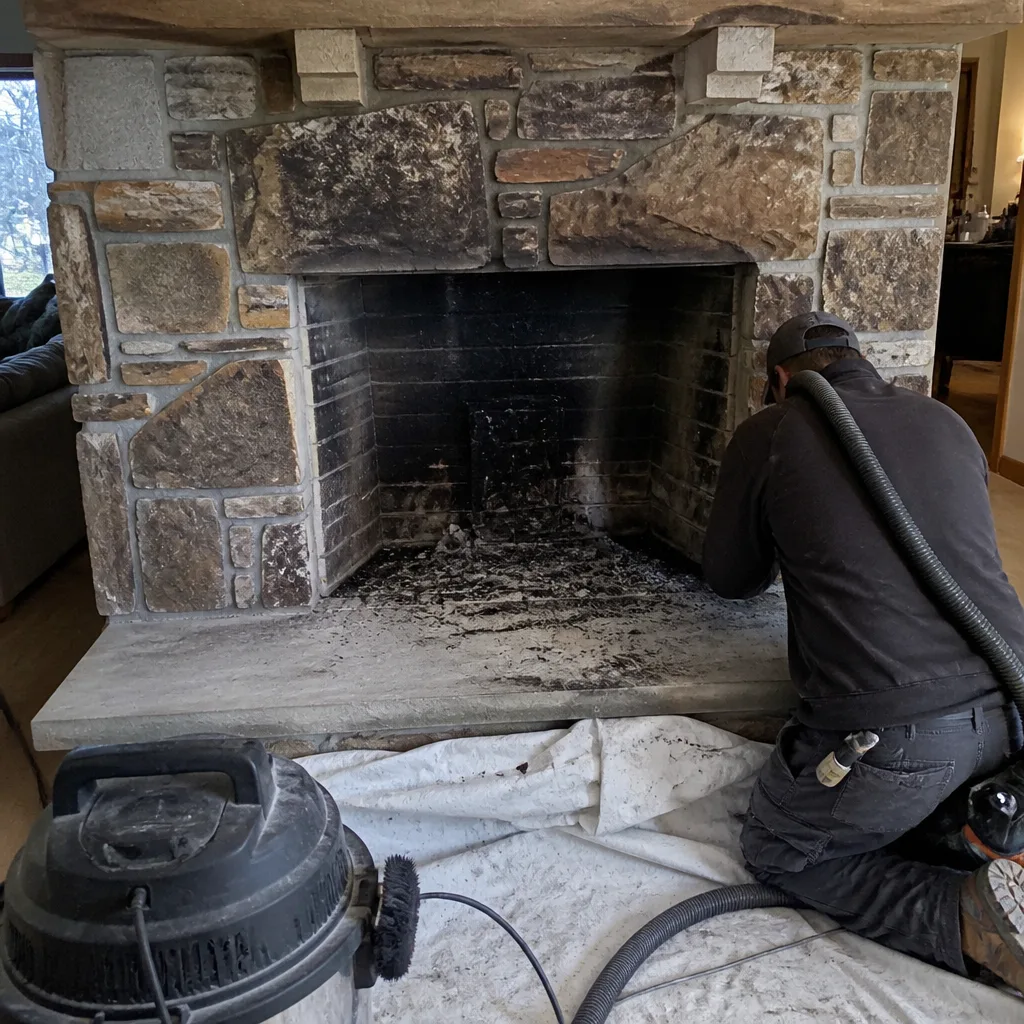 Before
 After
 Before
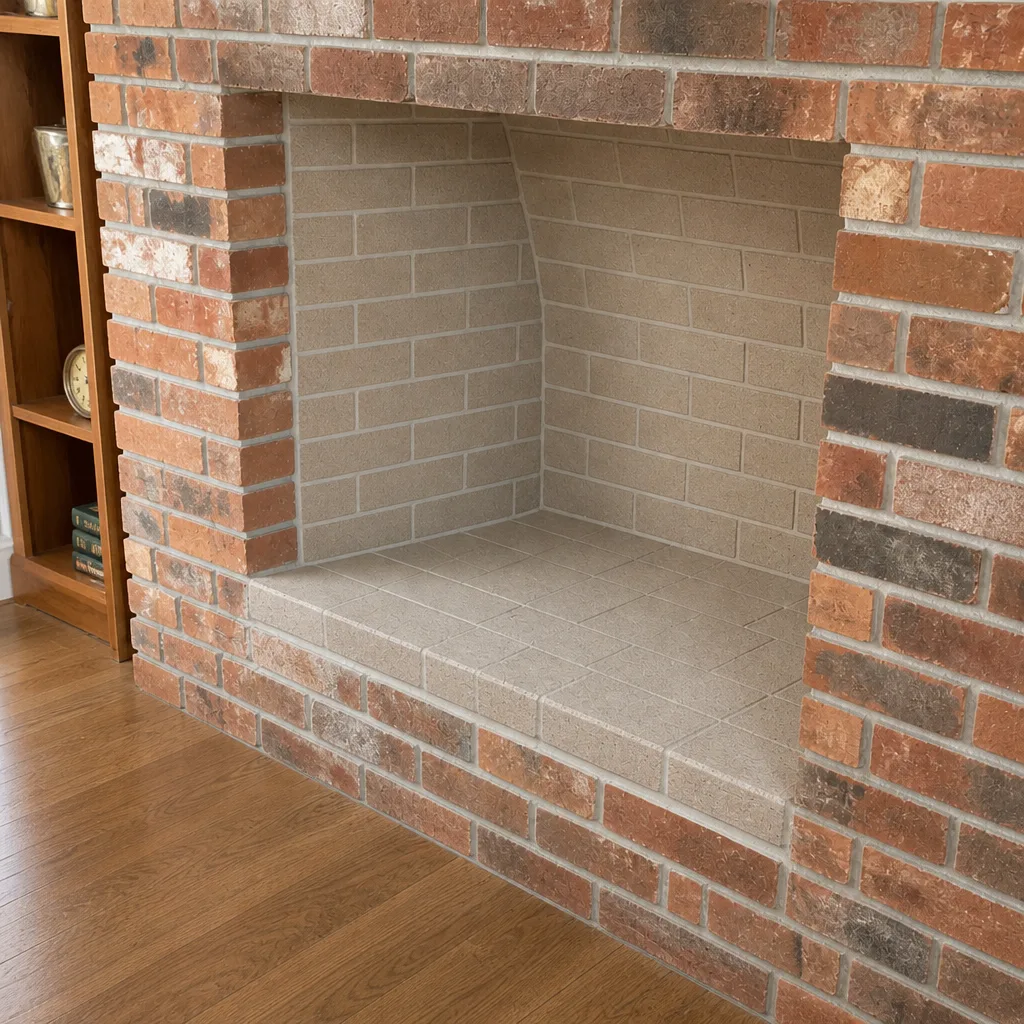 After
Common Mistakes to Avoid
- Cleaning only in fall. Fall sweeping tells you what summer already broke. Spring sweeping catches it before the damage is done. Change the season, change the outcome.
- Ignoring the cap because you can’t see it. The cap is your first line of defense against water and animals. If it’s missing or damaged, the flue is exposed all summer.
- Assuming a firebox crack is always cosmetic. Small cracks in firebrick happen. Cracks that run through the brick, or a gap that lets heat reach the surrounding structure, need a professional look.
- Waiting for a water stain to investigate moisture intrusion. By the time a stain shows inside, the leak has been active long enough to affect the flue or crown. Check the exterior masonry once a season.
- Using a “general handyman” sweep as the only service. A generalist can brush a flue. Diagnosing a failing liner, resurfacing a deteriorated flue, or rebuilding a crown is a different job. The fireplace repair questions in particular usually sit beyond a sweep-only scope.
- Skipping a full inspection because the fire seems to be burning fine. A fire can burn fine while a cracked crown is letting water in, or while a liner has a gap in one section. The fire doesn’t tell you what the masonry is doing.
- Getting on the roof after a storm. The most common chimney-related injury is a fall from a roof – usually someone checking a cap. Let a professional handle the roof access.
One safety caveat worth stating plainly: chimney work involves real risk. Climbing onto a roof, opening a firebox, or inspecting a flue all carry some hazard, and a poorly maintained chimney can create both chimney fire and carbon monoxide risk. Don’t open a firebox, remove a damper, or attempt liner work yourself. A trained professional with the right tools and equipment should do the work.
Frequently Asked Questions
Once a year is the general rule for a regularly used fireplace, and in Highlands, that annual sweep should happen in late spring, not fall. If you burn heavily or use green or unseasoned wood, more frequent cleaning may be needed. A professional inspection will confirm.
Late spring catches fresh creosote before it cures through the summer, gives you a full inspection before the idle season, and leaves the best weather of the year for any repairs. Fall cleaning only tells you what summer already damaged. Call (844) 443-4562 to book a spring sweep – estimates are free.
Look for interior ceiling or wall stains near the chimney, white chalky residue on exterior brick, rust on the firebox or damper, a smoky or musty smell when the flue is idle, and loose mortar or spalling brick. Any of these should trigger an inspection. Call (844) 443-4562 for a camera inspection – you see the footage.
From the ground, look for a cap that’s shifted off-center, has missing screen panels, or shows rust; and for a crown with visible cracks, crumbling concrete, or loose masonry at the top. From inside, check for new water stains. A professional inspection confirms before any repair is recommended. Call (844) 443-4562 for a free estimate.
No – the freeze-thaw cycle in Highlands will widen a small crown crack through winter, and by fall the repair becomes more involved. Fix a crown crack in late spring or summer while the weather cooperates. Call (844) 443-4562 to get an inspection on the calendar.
Yes. A clay tile flue behaves differently from a metal liner or a HeatShield-resurfaced flue, and each has its own vulnerability to moisture and freeze-thaw. The right inspection tells you what you’re working with and what to watch. Call (844) 443-4562 for an inspection and a written report.
The Bottom Line
A Highlands chimney needs three things across the year: a late-spring sweep and full inspection after the last fire, a visual walkthrough of the cap, crown, and masonry before summer storms, and a fall confirmation before the first fire – with a mid-winter check after any significant storm. If you can only do one thing, move the annual sweep from fall to late spring. It’s the single change that most reduces what a chimney absorbs over a Highlands summer. And when the inspection turns up something, one crew can handle it: sweep, inspect, cap, crown, repair, and chimney sweep support across the full system from the firebox to the crown.
Chimney Sweep Highlands handles chimney sweeping, chimney inspection, fireplace repair, chimney repair, and cap and crown installation and replacement. We install and work with trade-grade brands including DuraFlex, HeatShield, Gelco, Olympia Chimney, Famco, and Copperfield. Call (844) 443-4562 for a free estimate. We answer 24/7. Fast dispatch from 7am to 7pm, Sunday through Friday. Built to last, not patched to pass.
Written by the team at Chimney Sweep Highlands.