
Last updated November 24, 2026
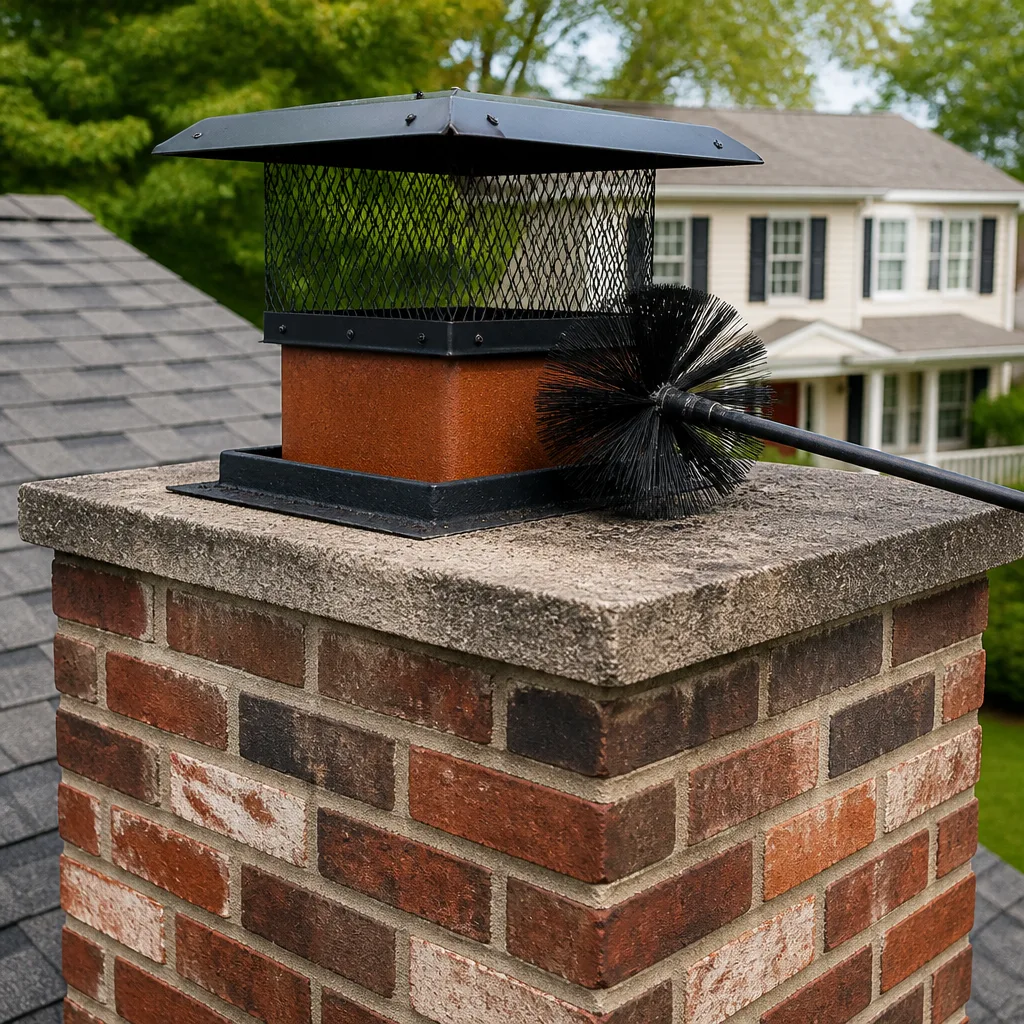 Sweep & inspection
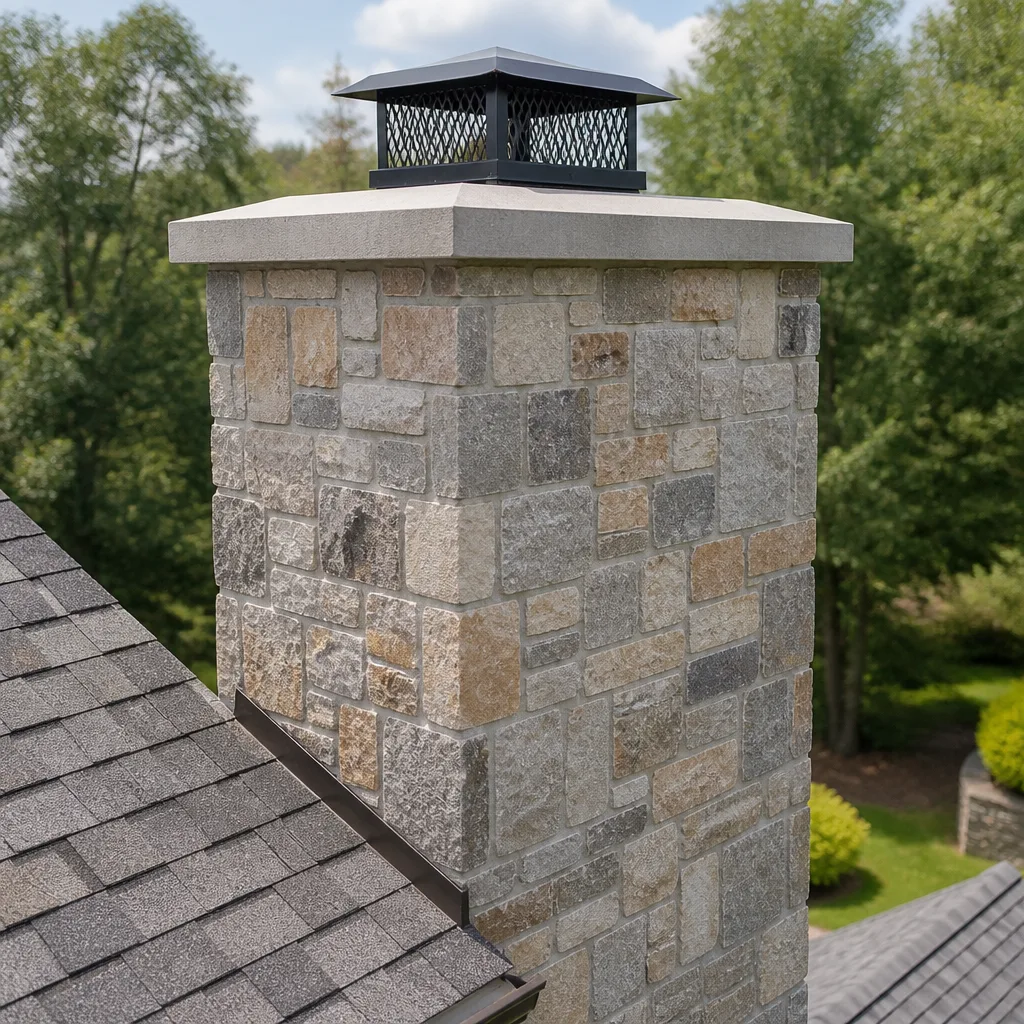 Caps & crowns
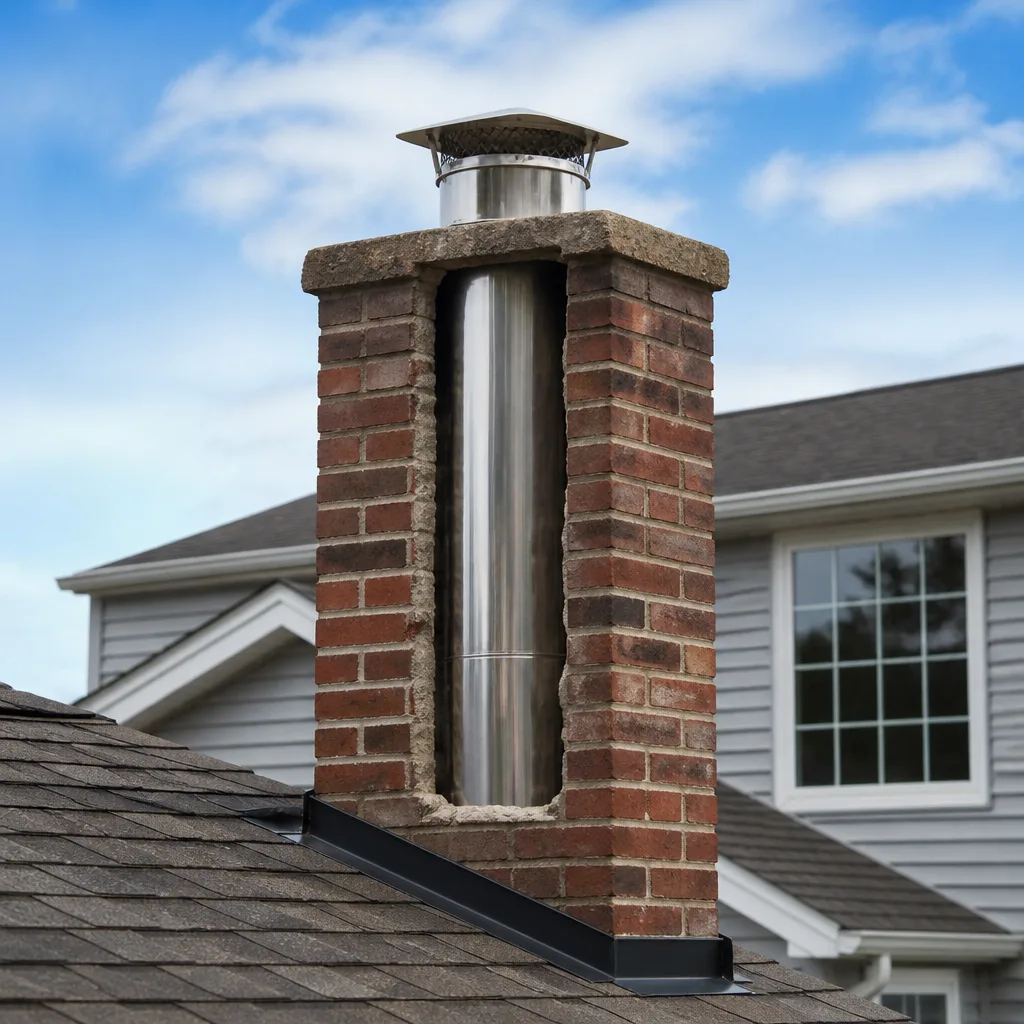 Flue relining
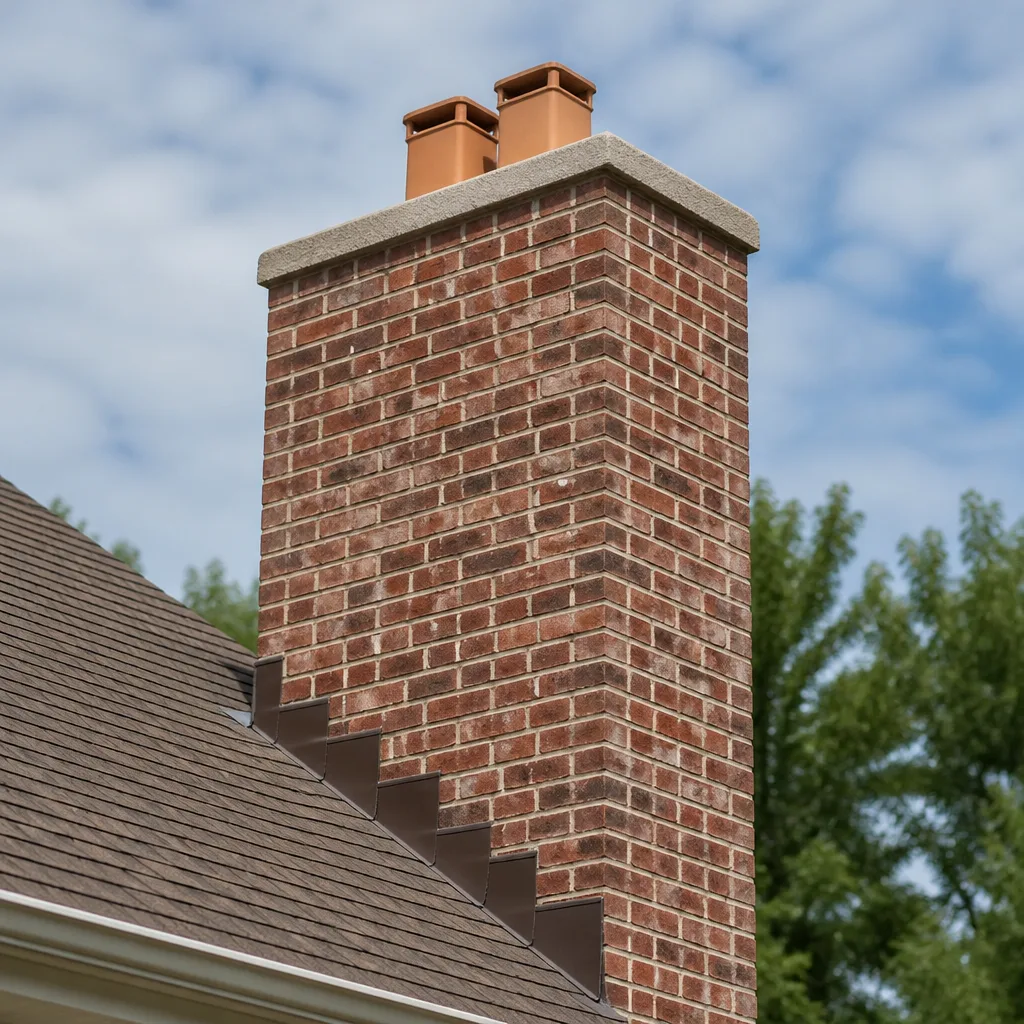 Masonry repair
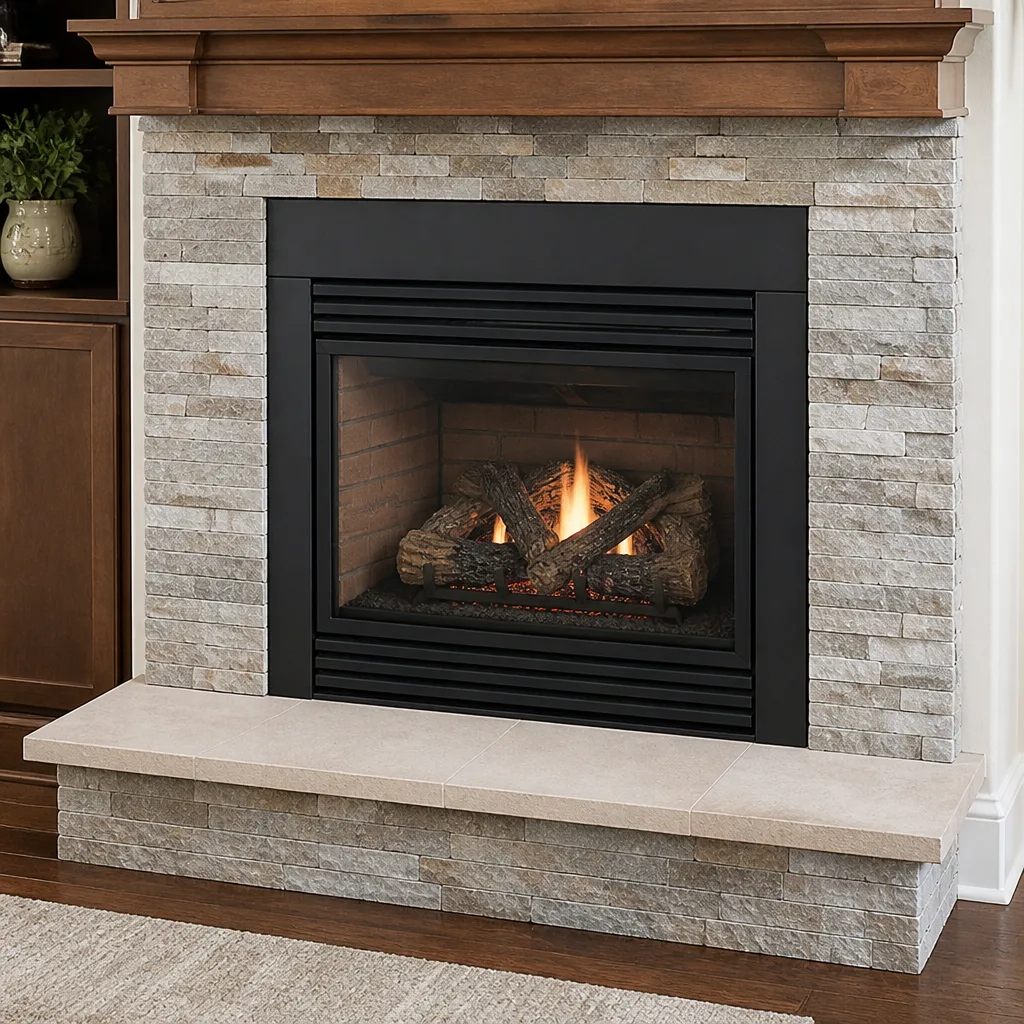 Gas fireplace service
Level 1 sweep and inspection to the NFPA 211 annual standard - flue, crown, cap, and flashing checked and photographed
Chimney sweep logs do not sweep chimneys. They loosen some creosote - which then falls where a brush and vacuum still have to collect it.
Chimney Cleaning Permits, Codes & Inspections in Highlands, CO: What You Need to Know
Here’s the part most homeowners get wrong: a chimney liner replacement is not always the simple repair it feels like. In Colorado, some chimney work crosses a line from routine maintenance into regulated construction, and that line is not obvious. A sweeping is cleaning. A liner swap, a rebuilt crown, or structural masonry repair can fall under permit and inspection rules. The trouble is that a job done without the right permit often passes quietly for years, then surfaces during a home sale as an undisclosed defect. This guide explains which chimney services in Highlands are cleaning-only, which cross into regulated territory, how Garfield County and local jurisdiction requirements fit with Colorado state code, and what paperwork to keep after any permitted work.
Quick Answer
In Highlands, routine chimney sweeping is maintenance and generally needs no permit, but structural chimney work such as a liner replacement, crown rebuild, or masonry repair can require a permit and inspection under Colorado building code and local jurisdiction rules. A Level 2 inspection is triggered by events like a chimney fire, a home sale, or a change of fuel appliance rather than being optional. Keeping the permit and inspection records afterward protects you during insurance claims and real estate transactions.
Styles & brands we work with
- Sweep & inspection
- Caps & crowns
- Flue relining
- Masonry repair
- Gas fireplace service
Table of Contents
- Cleaning Only vs. Regulated Repair: Where the Line Is
- How Colorado State Code and Local Highlands Jurisdiction Fit Together
- What a Level 2 Inspection Is and When It’s Triggered
- How Permits Protect You, Not Just the Contractor
- Why Highlands Chimneys Face Specific Wear
- What Documentation to Keep After Permitted Work
- The Step-by-Step Process for Permitted Chimney Work
Cleaning Only vs. Regulated Repair: Where the Line Is
The first thing to understand is that “chimney work” covers two very different categories. On one side is routine maintenance: removing creosote and debris, checking the cap, clearing an obstruction. That kind of cleaning is a service performed on an existing system and doesn’t normally involve a building permit. On the other side is construction: replacing a flue liner, rebuilding a crown, repairing or replacing structural masonry. That is where regulations begin to apply, and where a homeowner can get caught off guard.
We’ve seen the confusion often enough to know it’s not carelessness. Most people simply never had the distinction explained. The work looks similar from the living room. A technician arrives, spends a few hours on the roof or in the flue, and leaves. But the regulatory footprint is completely different.
Here’s a practical way to sort the two:
- Cleaning and maintenance (generally no permit): a routine chimney sweep, creosote removal, obstruction clearing, a visual inspection of the firebox and flue.
- Repair and replacement (often permit territory): installing or replacing a flue liner, rebuilding a chimney crown, repairing damaged masonry, replacing a chase cover, and some structural firebox repairs.
- Gray areas worth asking about: a cap replacement or a small fireplace repair. Whether these need a permit depends on the scope and on your local jurisdiction, so it’s worth a direct question rather than an assumption.
The reason this matters for Highlands homeowners is simple. When repair work alters the structure of the chimney or its venting, it touches life-safety systems. Codes exist to make sure that work is done correctly and inspected. A chimney professional who understands the line will tell you upfront whether your job is cleaning-only or permit-required, and won’t blur the two.
How Colorado State Code and Local Highlands Jurisdiction Fit Together
Colorado handles building codes through a layered system. The state adopts model codes that set the minimum standard, and local jurisdictions adopt and sometimes amend those codes for their own communities. For chimney and venting work, the relevant provisions typically come from the mechanical and residential building codes, which reference standards for chimney construction, clearances, and venting. Highlands sits within Garfield County, so the jurisdiction that issues permits and performs inspections for your address determines the exact rules that apply.
That layering is why a generic answer from a national website can be misleading. The correct question isn’t “does Colorado require a permit for a chimney liner,” it’s “does my jurisdiction require a permit for this specific scope of work.” The answer can vary.
What this means in practice for a Highlands homeowner:
- Your local jurisdiction is the authority that issues the permit and does the inspection, not the state directly.
- State-adopted code sets the minimum safety standard the work must meet, and local amendments can add to it.
- When a permit is required, the inspection confirms the work was done to code before it’s signed off.
- A qualified chimney professional should already know the permit threshold for the work they’re proposing in your area.
The takeaway isn’t that you need to memorize code sections. It’s that you should expect the professional doing the work to tell you, clearly, whether a permit applies and who pulls it. If that conversation never happens, that’s a signal worth paying attention to. Our technicians have up to 8 years of experience working with these systems, and we’re used to walking Highlands homeowners through exactly which jobs need what. If you’d like a straight answer on your own chimney, call (844) 443-4562. We answer 24/7. Fast dispatch from 7am to 7pm, Sunday through Friday.
What a Level 2 Inspection Is and When It’s Triggered
A Level 2 inspection is a more thorough evaluation of the chimney than a routine visual check. It includes inspection of accessible portions of the flue and venting, and it’s the level of inspection tied to specific life events rather than routine annual upkeep. The important point for homeowners: a Level 2 inspection is not an optional upsell in these situations. It’s the appropriate standard, and in real estate and insurance contexts it’s often the standard that gets referenced.
We offer inspection as a standalone service precisely because the diagnosis should come first, independent of any sweeping or repair recommendation. Inspect first, recommend honestly. The inspection tells you what the system actually needs.
A Level 2 inspection is typically triggered by one of these:
- A chimney fire. Even a fire that seemed minor can damage the flue, and the damage isn’t visible from the firebox. A Level 2 inspection after a chimney fire is how you find out what’s actually still sound.
- A home sale or transfer. Buyers and their inspectors routinely look for evidence of the chimney’s condition. A Level 2 inspection gives you documentation to hand over instead of uncertainty.
- A change in the fuel appliance or a system replacement. When a new appliance is connected or the venting system changes, the chimney needs a closer look.
- A change to the system after an event. Any significant alteration to the chimney or venting calls for a fresh evaluation.
In Highlands, where homes see real seasonal temperature swings and fireplaces get genuine use, a chimney fire isn’t a rare hypothetical. It’s one of the most common reasons a flue needs a Level 2 look. If you’re unsure whether your situation triggers one, that’s exactly the kind of question to ask before deciding anything.
How Permits Protect You, Not Just the Contractor
Most homeowners assume a permit is a contractor’s obligation, a bureaucratic formality. That framing misses the real beneficiary. A permit and the inspection that comes with it create an independent record that the work was done to code. That record protects the homeowner most of all, in two situations that can be expensive: an insurance claim and a home sale.
Consider the insurance side. If a chimney-related fire occurs and the insurer reviews the history of the system, documentation that permitted work was properly inspected supports your claim. Work done off the books with no record does the opposite. It creates questions you don’t want to be answering in the middle of a claim.
Now the home sale side. A buyer’s inspector will look at the chimney. An unpermitted liner replacement or crown rebuild can be flagged as an undisclosed defect, and at that point it’s your liability to resolve, on the buyer’s timeline, often at a discount. The permit you skipped years earlier becomes the problem you pay for later.
Three things worth remembering about permits:
- A permit establishes a public record that the work was inspected and passed.
- That record supports insurance claims tied to the chimney system.
- That same record removes ambiguity during a home sale or appraisal.
This is the quiet reason we treat permits as part of the job, not an inconvenience to route around. One crew, one call, from the firebox to the crown. When the work crosses into regulated repair, we handle the process cleanly so the record exists. Built to last, not patched to pass.
Why Highlands Chimneys Face Specific Wear
Highlands sits in the Colorado high country, and the climate does real work on a chimney over time. Wide swings between warm days and cold nights stress masonry. Moisture gets into small cracks, freezes, expands, and widens them. The crown, that concrete cap at the top of the chimney, takes the brunt of it, which is why we treat chimney cap & crown as a dedicated service rather than an afterthought. A failing crown lets water into the core of the chimney, and that’s where expensive structural damage begins.
The seasonal rhythm matters too. A fireplace that sees regular use through the cold months builds creosote, and the quality of combustion affects how quickly. Cooler flue temperatures and smoldering fires leave more deposits than hot, efficient burns. That’s the practical reason a yearly sweep before the heavy-use season is worth holding to, and it’s the kind of maintenance that keeps small issues from becoming the repair that needs a permit.
What we watch for in Highlands specifically:
- Crown cracking and spalling, worsened by freeze-thaw cycles.
- Water intrusion around the cap, chase cover, and flashing.
- Creosote buildup from regular fireplace use through the cold months.
- Masonry joints opening as seasonal movement works on the structure.
When a flue needs work, the configuration matters. Older homes can have offset or complex flue layouts that rigid liner systems can’t navigate. That’s where flexible systems like DuraFlex come in, and where resurfacing a deteriorating flue with HeatShield is an option worth having on the table instead of an automatic rebuild. The right answer depends on what the inspection finds, not on what’s easiest to install.
What Documentation to Keep After Permitted Work
After any permitted chimney work, the paperwork is not clutter. It’s the record that protects you later, and it’s surprisingly easy to lose in a drawer or a stack of contractor receipts. Insurers and buyers may ask for it, and when they do, having it on hand turns a stressful question into a quick answer.
Here’s what to keep on file:
- The permit number and final inspection sign-off from your jurisdiction.
- The written estimate or invoice describing the scope of work performed.
- Any inspection report from the chimney professional, including a Level 2 report if one was done.
- Photos or documentation of the before-and-after condition of the work.
- Manufacturer documentation for any liner or component installed, such as DuraFlex or an Olympia Chimney component.
The pattern to notice is that you’re keeping two kinds of record. One is regulatory: the permit and inspection. The other is technical: the inspection report and the materials documentation. Together they tell a future buyer or insurer exactly what was done, by whom, to what standard, and with what materials. That’s a complete story, and a complete story is what closes a sale or supports a claim without argument.
We recommend a single physical or digital folder labeled for the chimney system, kept with your home’s other important records. It costs nothing to do and it can save a real headache later. If you’ve had work done and aren’t sure what you should have on file, call (844) 443-4562 to talk it through.
The Step-by-Step Process for Permitted Chimney Work
If your chimney needs work that crosses into regulated territory, the process follows a predictable path. Knowing it in advance removes the mystery and helps you ask the right questions of whoever does the job. The sequence below is how permitted chimney work typically flows in Highlands.
- Inspection first. A proper inspection determines what the system actually needs. This is where we start, every time, and it’s why the inspection can stand alone as its own service.
- Written scope and estimate. You get a written description of the proposed work and an estimate. The written estimate sets the final price, and we don’t recommend work we can’t back up with what the inspection found.
- Permit check. The professional confirms whether the scope requires a permit under your local jurisdiction’s rules and handles pulling it when it does.
- The work itself. This is where the right materials matter. A flexible liner for a complex flue, a HeatShield resurfacing where appropriate, a correctly built crown. Professional-grade parts, installed to the standard the code requires.
- Inspection and sign-off. The jurisdiction inspects the permitted work and signs it off. This is the record that protects you later.
- Documentation handover. You receive and keep the permit record, the report, and the materials documentation in one folder.
The through-line is accountability. The same team that sweeps and inspects also diagnoses, caps, crowns, and repairs, so findings don’t get handed off to another company that never saw the inspection. And when work can safely wait, we say so plainly. Nothing gets recommended without evidence you can see for yourself, and that’s the standard we hold to on every job in Highlands. For a free estimate on your own situation, call (844) 443-4562. We answer 24/7. Fast dispatch from 7am to 7pm, Sunday through Friday.
Common Mistakes to Avoid
- Assuming every chimney job is permit-free. Cleaning generally is, but a liner replacement or crown rebuild often isn’t. Sorting your job into the right category before work begins prevents a problem later.
- Skipping the permit to save a step. An unpermitted repair can surface as an undisclosed defect during a home sale, and by then it’s your liability to resolve on a buyer’s timeline.
- Treating a Level 2 inspection as an optional upsell. After a chimney fire or ahead of a home sale, it’s the appropriate standard, not a sales add-on.
- Confusing a sweep with an inspection. A cleaning removes creosote. An inspection diagnoses condition. One does not replace the other, and doing both on the same visit is more useful than either alone.
- Letting the crown go untended through Highlands winters. Freeze-thaw cycles widen small cracks, and a failing crown lets water into the chimney core. That’s how a minor issue becomes a structural repair.
- Hiring a generalist who treats the chimney as a side job. The flue, liner, and venting are life-safety systems. A qualified specialist who works on them as their trade is the right person for the work.
- Losing the paperwork. The permit sign-off and inspection report are the records an insurer or buyer may ask for. Keep them where you’ll find them.
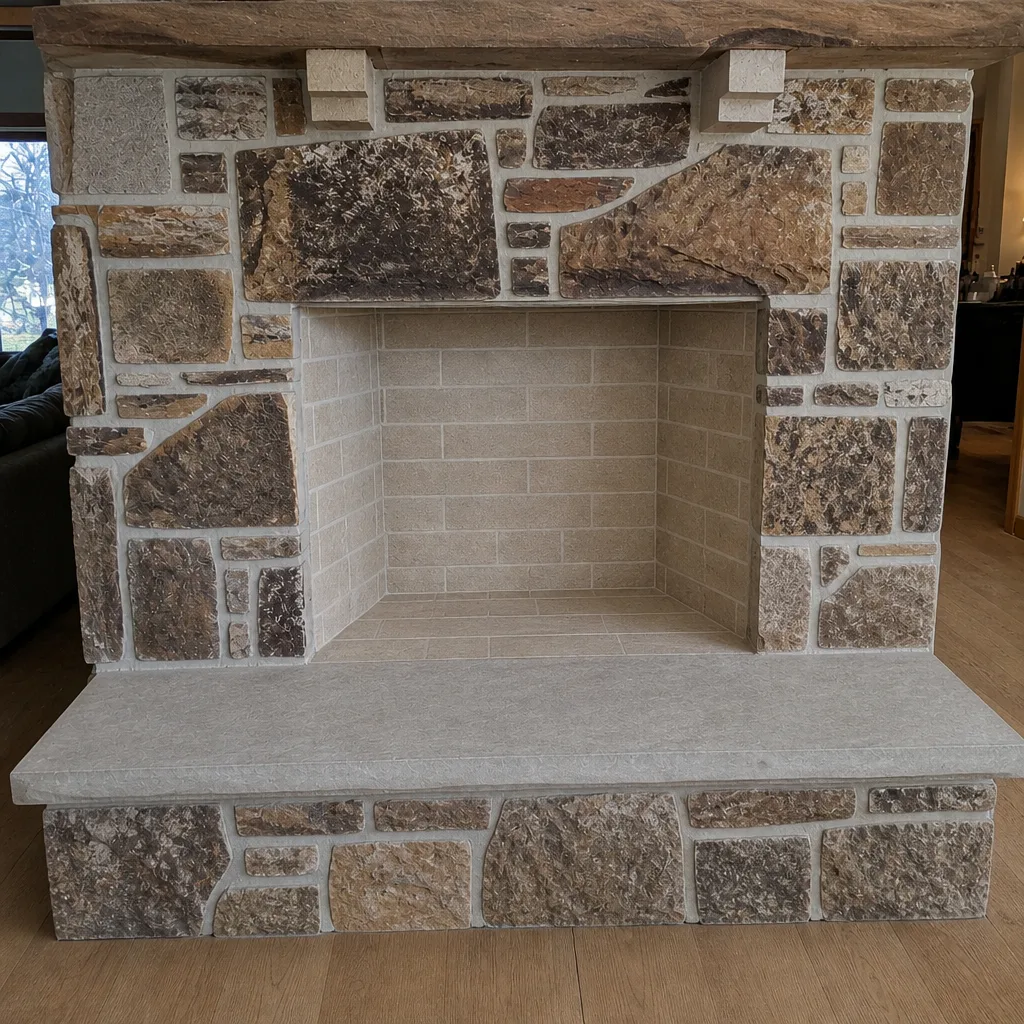
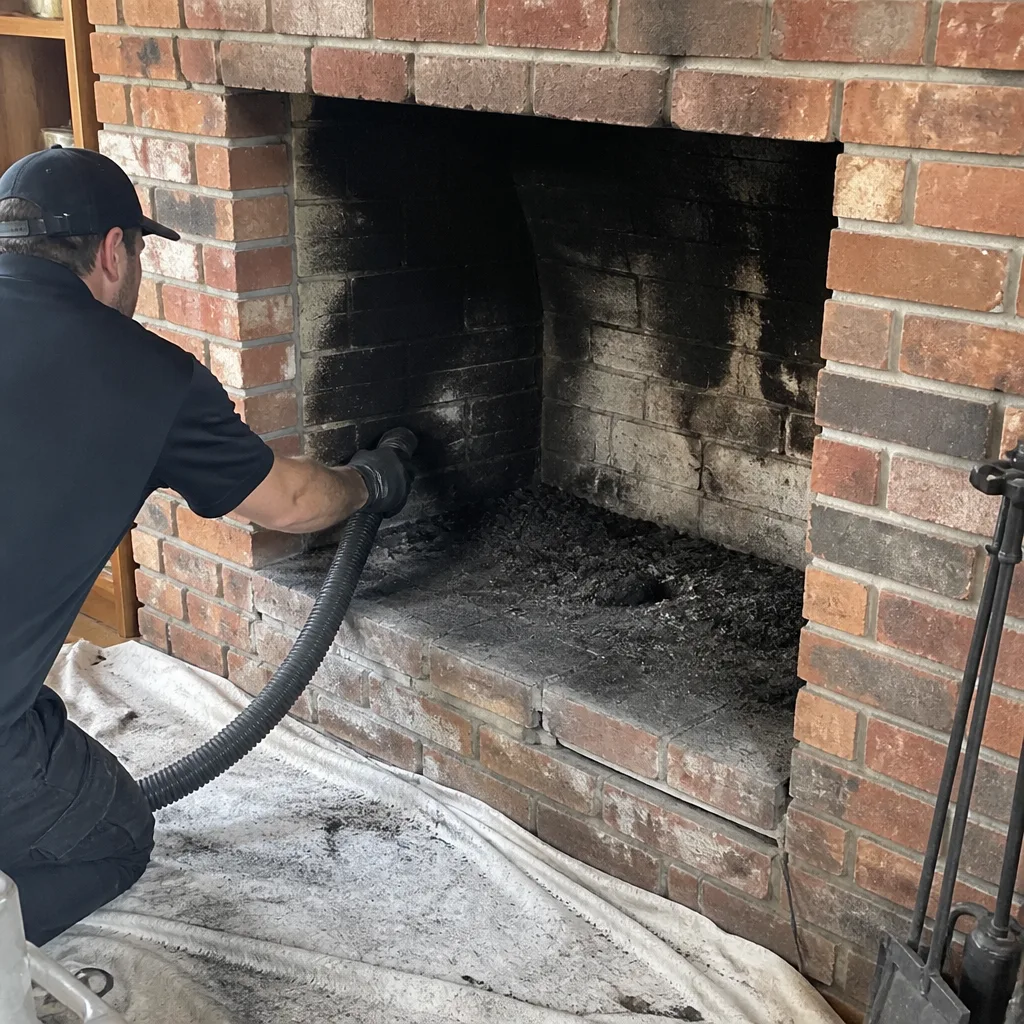
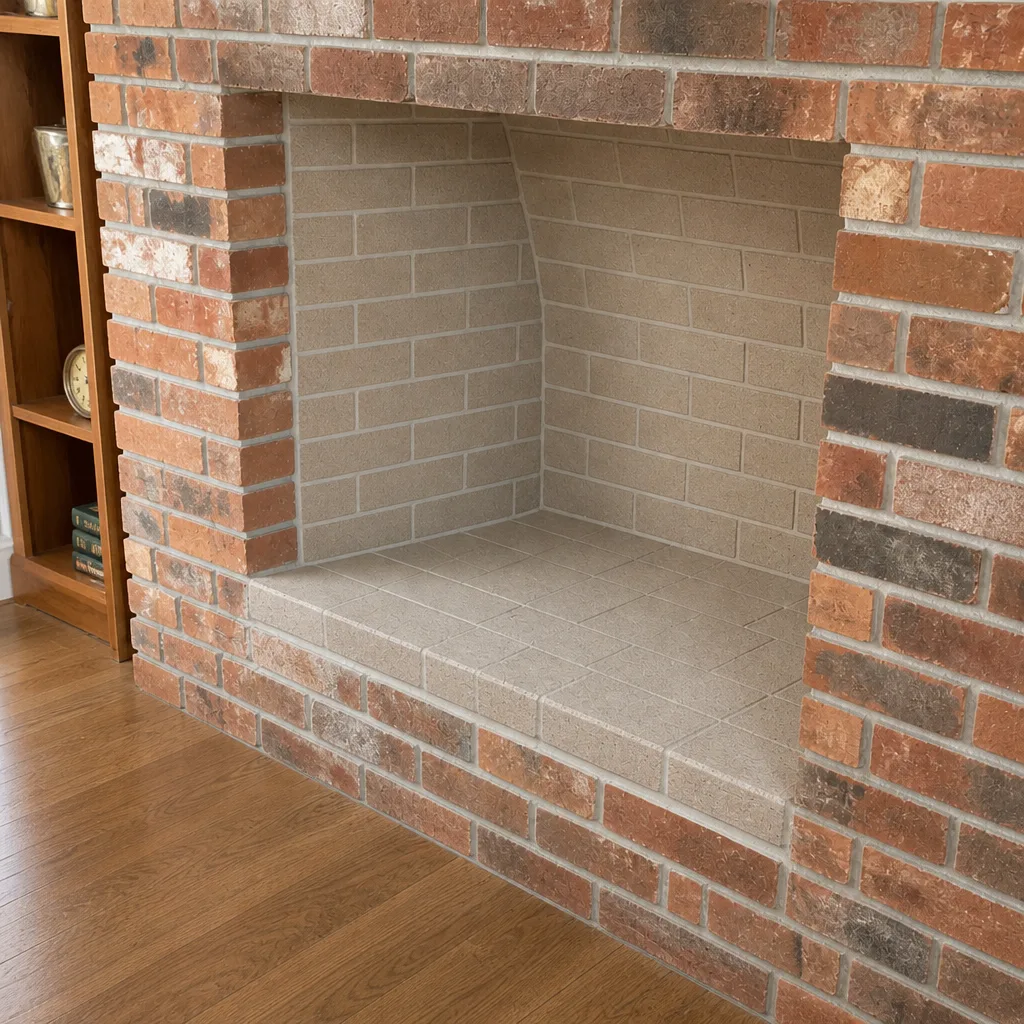
See the difference
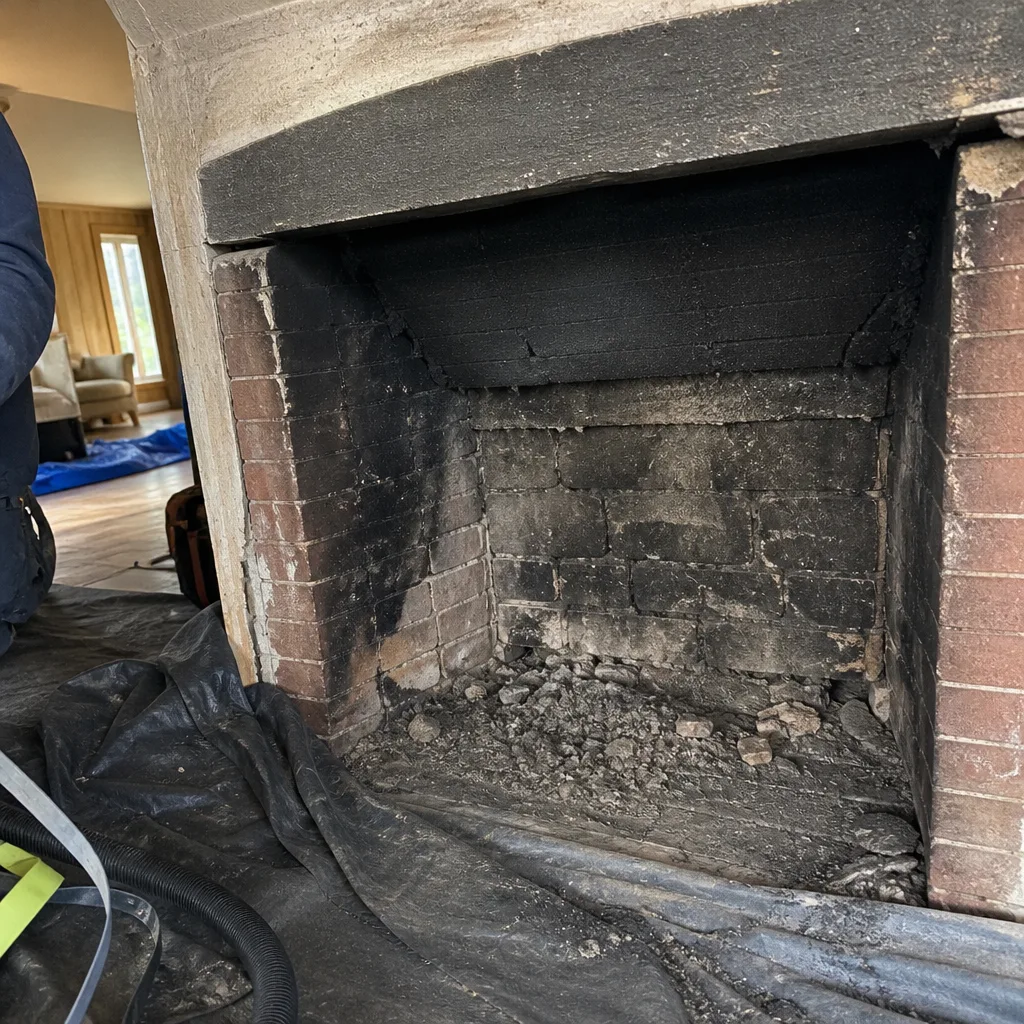 Before
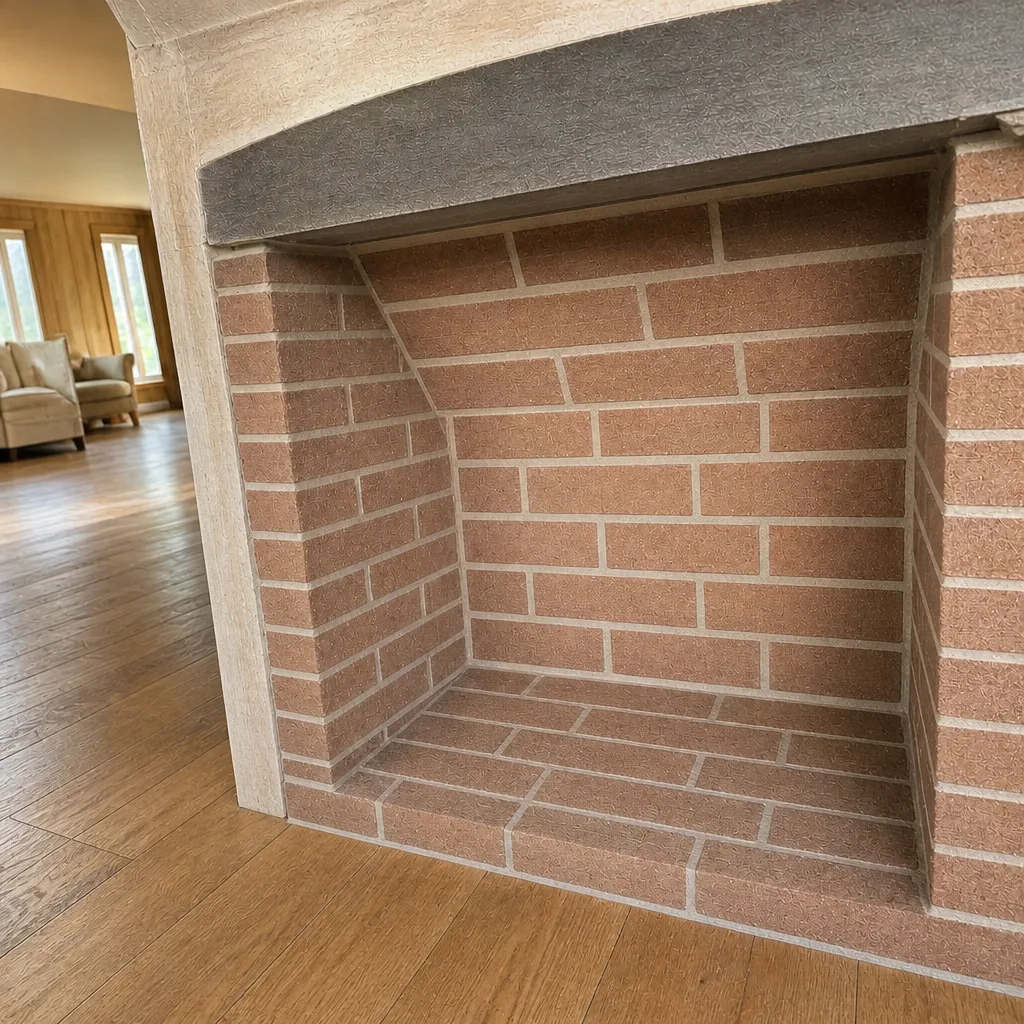 After
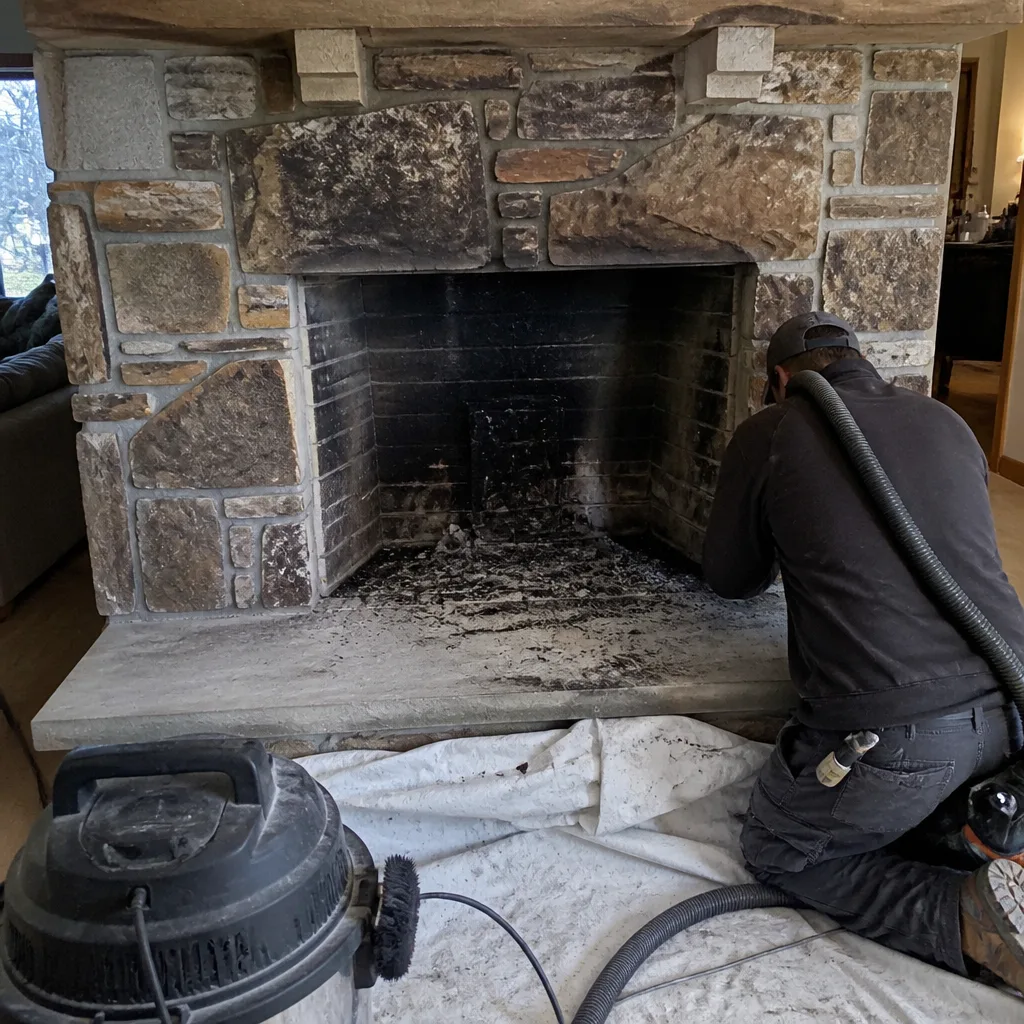 Before
 After
 Before
 After
When to Call a Professional
Some situations clearly call for a qualified professional, and the stakes are high enough that guessing isn’t worth it. If you’ve had a chimney fire, even one that seemed small, call for a Level 2 inspection. If you’re buying or selling a home in Highlands and the chimney’s history is unclear, call for an inspection you can hand over. If a liner is cracked, a crown is failing, or masonry is spalling after a hard winter, call before the damage spreads. And if your flue has never been evaluated and you use the fireplace regularly, a routine inspection is a sensible starting point. Some jobs you can safely defer, and we’ll tell you when that’s the case. Nothing gets recommended without evidence you can see. Chimney Sweep Highlands offers free estimates in Highlands, and the written estimate sets the final price. Call (844) 443-4562. We answer 24/7. Fast dispatch from 7am to 7pm, Sunday through Friday.
Frequently Asked Questions
Routine chimney cleaning generally does not require a permit in Highlands. It’s maintenance performed on an existing system, and the regulatory focus is on structural work, not on creosote removal. When the work crosses into liner replacement, crown rebuild, or structural masonry repair, a permit may be required under Colorado code and local jurisdiction rules, and that’s the point to confirm with your jurisdiction and your chimney professional. Call (844) 443-4562 for an exact quote on your situation, estimates are free.
A Level 2 inspection is typically required after a chimney fire, during a home sale or transfer, and when the fuel appliance or venting system changes. These events call for a more thorough evaluation than a routine visual check because the condition of the flue may have changed in ways that aren’t visible from the firebox. A Level 2 inspection is not an optional extra in these situations. Call (844) 443-4562 to book one, estimates are free.
We price every chimney job per job based on the written estimate, so you know the cost before any work begins and the written estimate sets the final price. That approach keeps the price tied to what your specific chimney actually needs rather than to a flat number that doesn’t fit every home. Call (844) 443-4562 for an exact quote on your sweep or inspection. We answer 24/7. Fast dispatch from 7am to 7pm, Sunday through Friday.
You don’t need a new liner unless the inspection finds evidence that the existing one is failing. That’s why we inspect first and recommend honestly rather than starting with a replacement quote. If the flue can be resurfaced with HeatShield instead of fully replaced, that option is on the table. And when work can safely wait, we say so. Nothing gets recommended without evidence you can see for yourself. Call (844) 443-4562 for a free estimate.
An unpermitted repair can surface as an undisclosed defect during a home sale, and at that point resolving it becomes your liability. On the insurance side, documentation that permitted work was inspected and passed supports a claim, while a missing record creates questions during a review. Keeping the permit sign-off and inspection report on file is the simplest protection. Call (844) 443-4562 if you’re unsure what you should have on file for your chimney.
The local jurisdiction handling permits and inspections for your address, within Garfield County, is the authority on permit requirements for chimney work in Highlands, while Colorado’s adopted building code sets the minimum safety standard the work must meet. Because local amendments can add to that standard, the specific scope of your job determines what applies. A qualified chimney professional will confirm the permit threshold before work begins. Call (844) 443-4562 for a straight answer on your chimney.
Keep the permit number and final inspection sign-off, the written estimate or invoice, any inspection report including a Level 2 report, documentation or photos of the work, and the manufacturer documentation for any installed components such as a DuraFlex liner or Olympia Chimney part. Together these give an insurer or a buyer a complete record of what was done and to what standard. Call (844) 443-4562 if you’d like to talk through what your records should include.
The Bottom Line
The line between cleaning and regulated repair is the thing to remember. Sweeping is maintenance. Liner replacement, crown rebuilds, and structural masonry work can require a permit and inspection under Colorado code and local jurisdiction rules, and a Level 2 inspection is triggered by real events like a chimney fire or a home sale. Permits protect you, not just the contractor, during insurance claims and real estate transactions. Keep the paperwork. In Highlands, where freeze-thaw cycles work on crowns and regular fireplace use builds creosote, staying ahead of these details is how your chimney stays sound. For a free estimate on your own chimney, Chimney Sweep Highlands connects you with qualified local professionals who inspect first and recommend honestly. Call (844) 443-4562. We answer 24/7. Fast dispatch from 7am to 7pm, Sunday through Friday.
Written by the team at Chimney Sweep Highlands.