
Last updated November 24, 2026
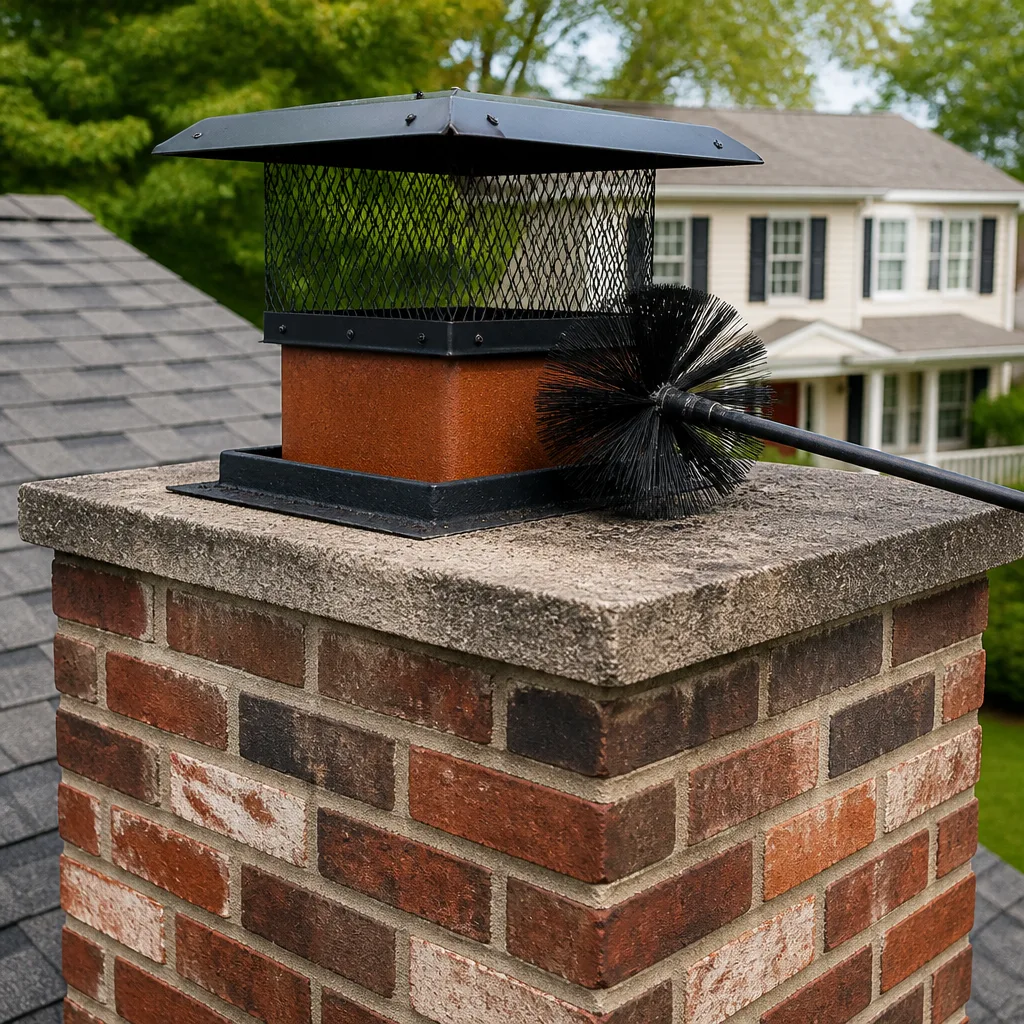 Sweep & inspection
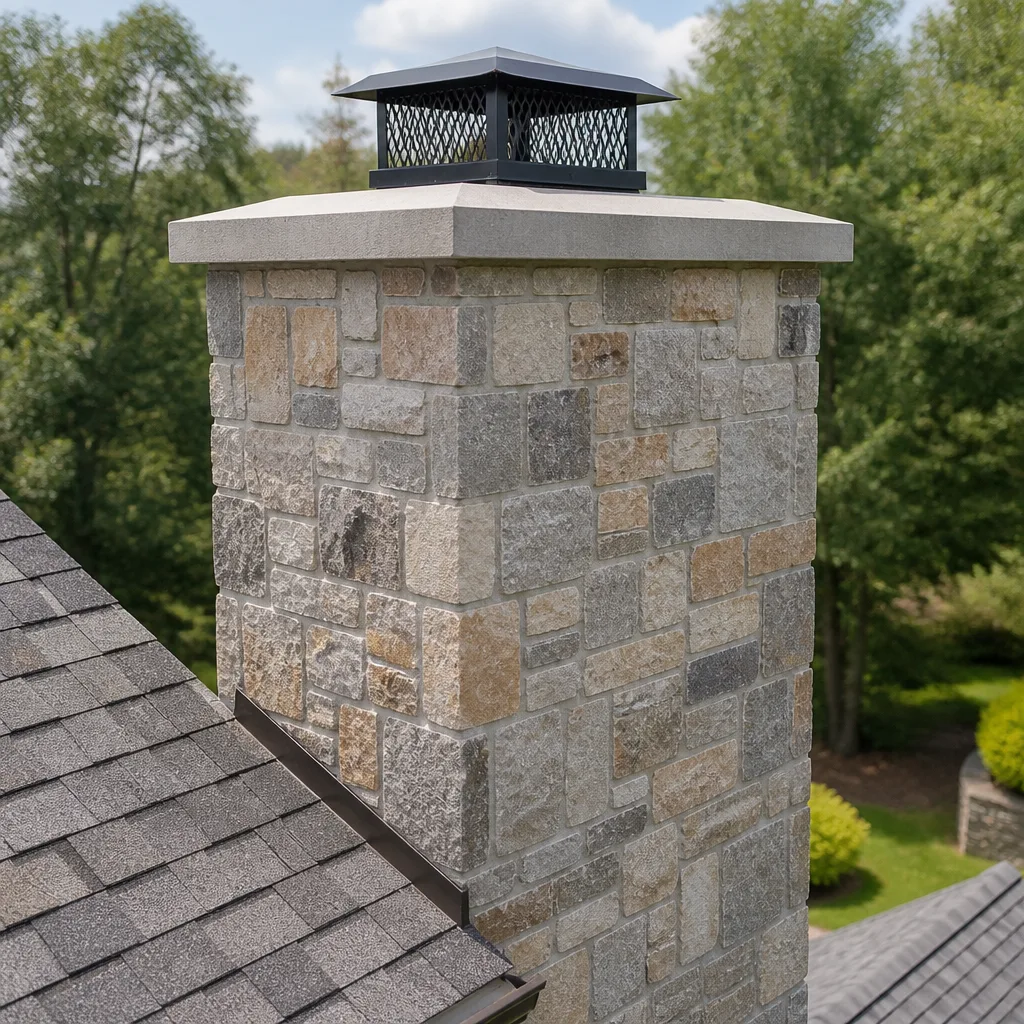 Caps & crowns
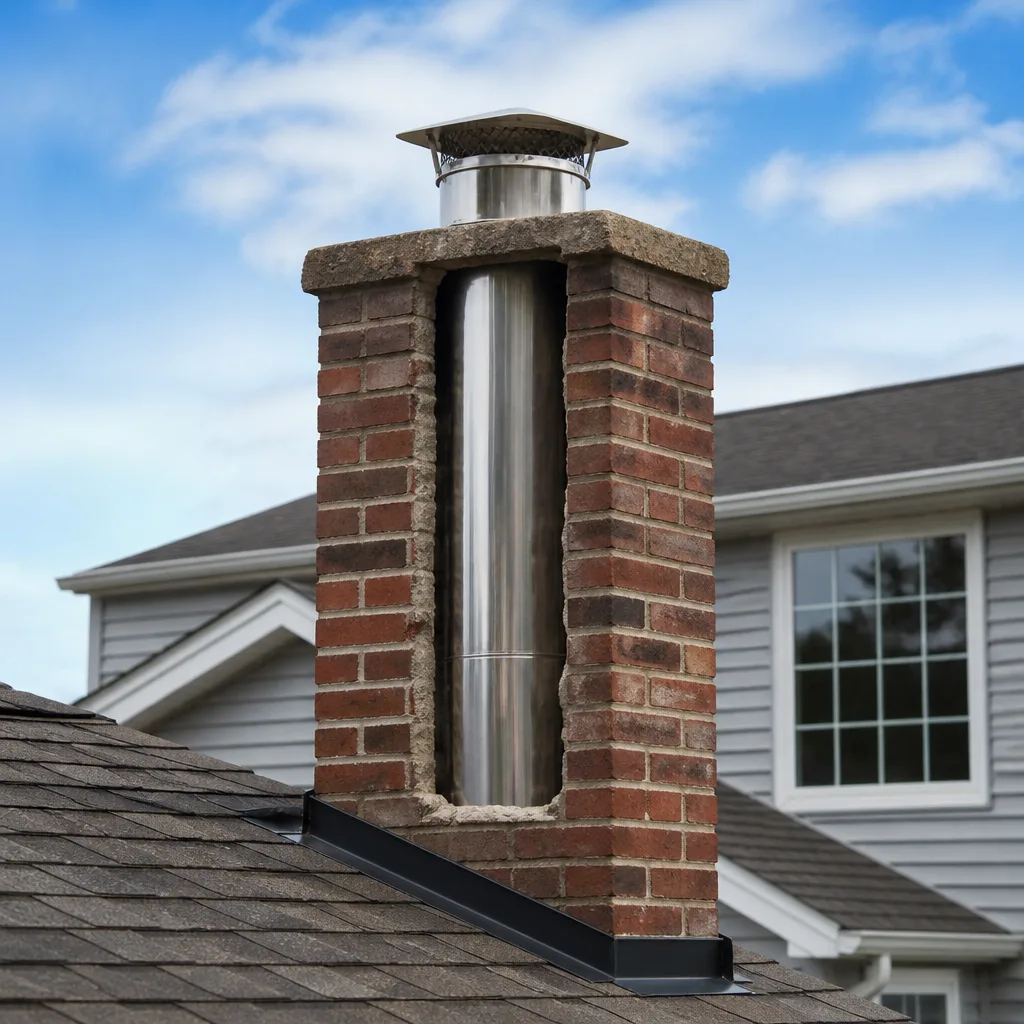 Flue relining
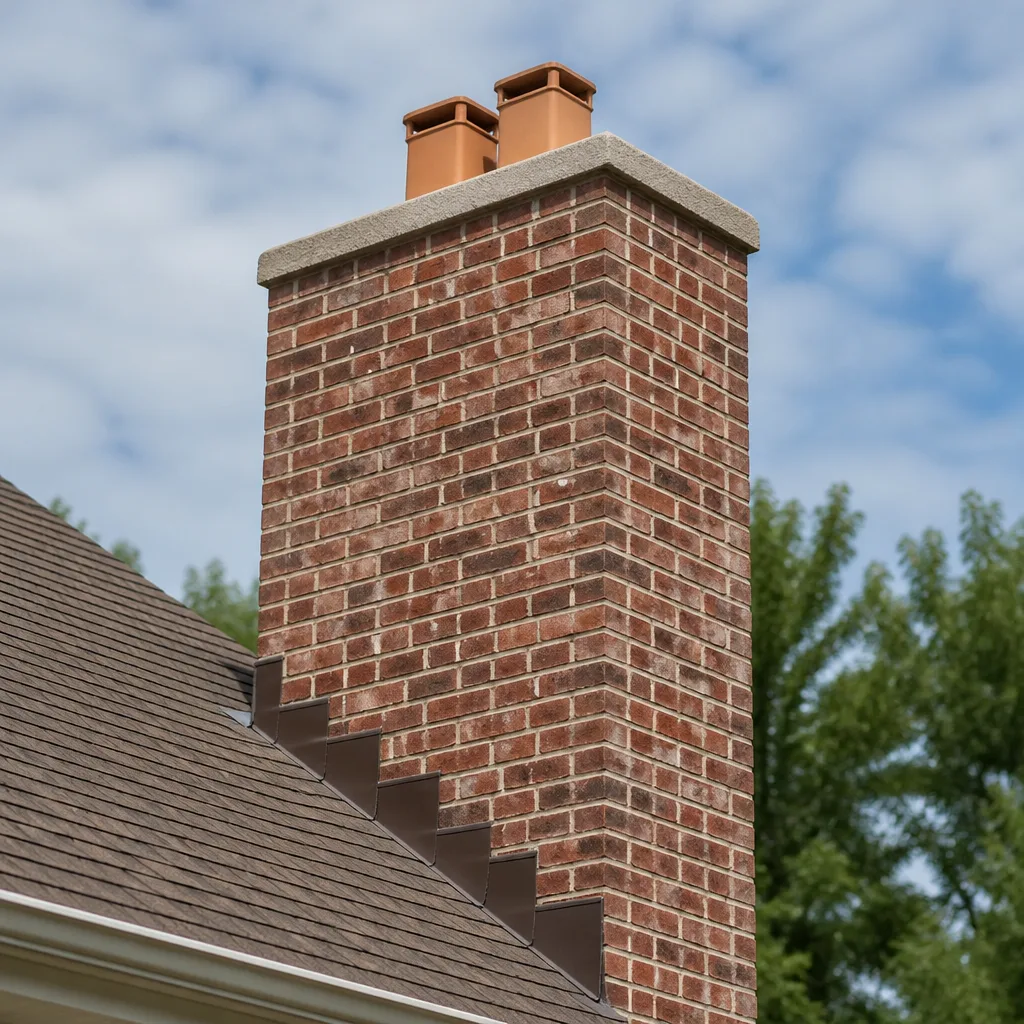 Masonry repair
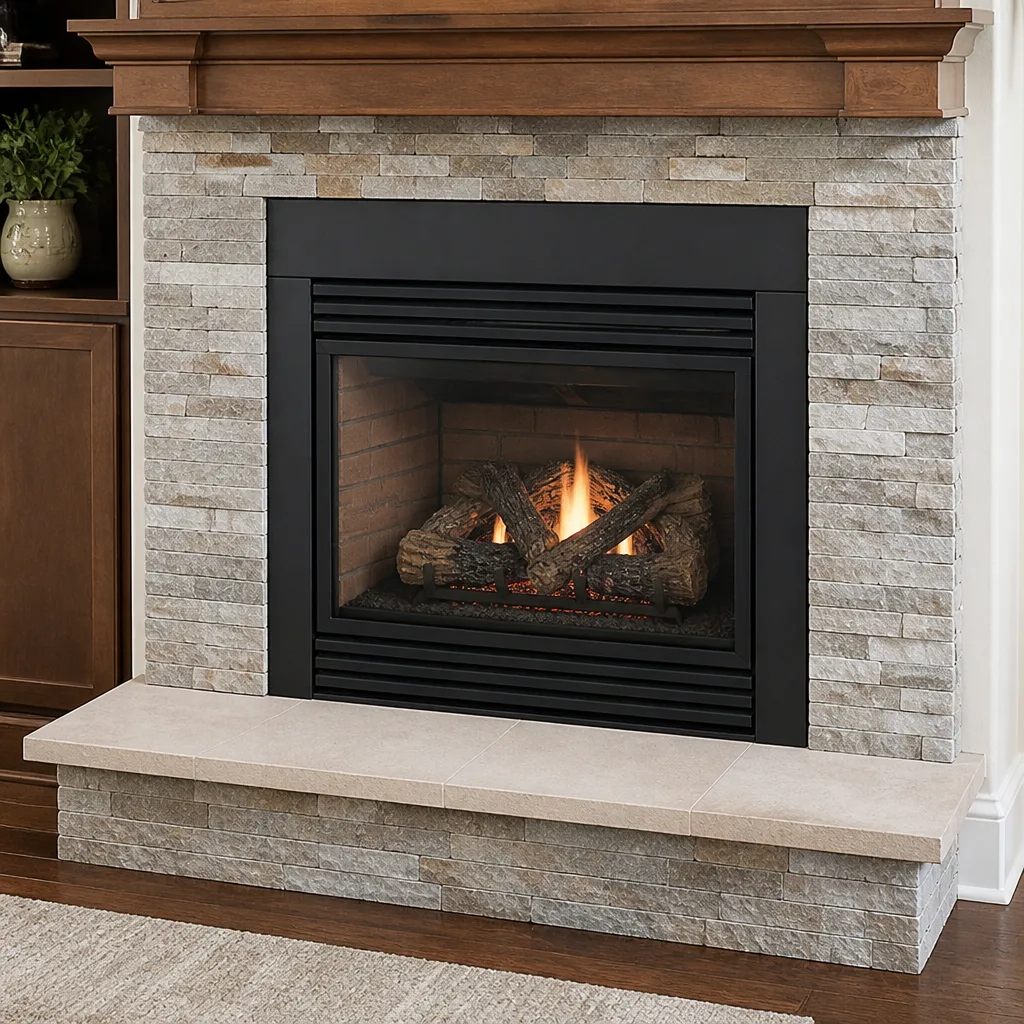 Gas fireplace service
Level 1 sweep and inspection to the NFPA 211 annual standard - flue, crown, cap, and flashing checked and photographed
Chimney sweep logs do not sweep chimneys. They loosen some creosote - which then falls where a brush and vacuum still have to collect it.
Chimney Cleaning Warning Signs: A Highlands Homeowner’s Reference Guide
A strong smoke smell in your living room on a windy day isn’t a draft problem. It’s often a blocked flue or a failed damper, and those two have completely different repair paths and completely different price tags. That distinction matters because most chimney warning signs in Highlands announce themselves long before they turn dangerous, and the homeowner who can name the symptom usually gets a faster, more accurate diagnosis than the one who just says “something’s off.” This guide maps specific smells, sights, and performance problems to the causes behind them, tells you which signs mean schedule a visit soon and which mean stop using the fireplace today, and gives you the vocabulary to talk to a contractor with confidence.
Quick Answer
Chimney warning signs fall into four families: smell (creosote, animal intrusion, or mildew), interior visuals (liner damage, smoke chamber deterioration, stage 2 – 3 creosote), draft and performance problems (sluggish fires, smoke rollout), and exterior conditions visible from the ground (cap damage, crown cracks, efflorescence on brick). Odor and sluggish draft usually mean schedule a sweep and Chimney Sweep Highlands inspection soon. Smoke rolling into the room, visible flue damage, or a fallen cap piece means stop using the fireplace until it’s assessed.
Styles & brands we work with
- Sweep & inspection
- Caps & crowns
- Flue relining
- Masonry repair
- Gas fireplace service
Table of Contents
- What Do the Smells Coming From Your Fireplace Actually Mean?
- What Should You Look For Inside the Firebox?
- Draft and Performance Problems Decoded
- Exterior Warning Signs You Can Check From the Ground
- Schedule Soon vs. Stop Using the Fireplace
- Creosote Stages and Why They Matter in Highlands
- The Annual Rhythm: What a Highlands Homeowner Should Do Each Year
- Common Mistakes to Avoid
What Do the Smells Coming From Your Fireplace Actually Mean?
Smell is the most underrated diagnostic tool a homeowner has. Three distinct odors point to three distinct causes, and getting the category right saves a lot of guessing.
- Creosote odor – a sharp, tar-like, campfire smell that’s stronger in warm weather, humid days, or when there’s no fire burning. It means creosote deposits have built up on the flue walls and are off-gassing. A small amount is normal between sweeps. A strong, persistent smell means the buildup has reached a level where a chimney sweep should happen.
- Animal intrusion smell – a musty, ammonia, or animal-nesting smell, sometimes with scratching or chirping sounds, often worst in spring. Birds, squirrels, and occasionally bats get through an open or damaged cap and nest on top of the damper shelf. This signals the cap is either missing, loose, or damaged, and any material in the flue has to be cleared before the next fire.
- Moisture and mildew smell – a damp, attic-like, wet basement smell. It points to water getting in through the crown, the flashing, or a gap around the cap. In Highlands, the freeze-thaw cycle moves water in and out of brick and mortar all winter, so a mildew smell in the firebox or smoke chamber is a masonry weatherproofing issue, not a chimney-cleaning issue.
If you can’t tell which of the three you’re smelling, note when it shows up: warm weather only means creosote; spring with noises means animals; after rain or snowmelt means moisture. That one detail helps a technician skip the guesswork. From the firebox to the crown, our approach is inspect first, recommend honestly, so the diagnosis fits the actual smell.
What Should You Look For Inside the Firebox?
You don’t need to climb anything to make useful observations. A flashlight pointed into the firebox and up the throat tells you a lot about the condition of the flue above and the liner behind the masonry.
- Look at the firebox walls. Hairline cracks in firebrick are common and often not urgent, but widening cracks, crumbling mortar joints, or missing chunks mean heat is reaching the masonry structure behind them. That’s a job for fireplace repair, not just a sweep.
- Look up the smoke chamber. The sloped shelf above the damper is where creosote collects first and where smoke slows down. If you see shiny, glassy, or bubbly deposits, that’s stage 3 creosote, the most flammable kind, and it needs professional removal.
- Look at the damper. Open and close it slowly. If it sticks, doesn’t seat flush, or has visible rust and gaps, smoke will roll back into the room on start-up.
- Run your hand along the firebox seams for soft, crumbling, or sandy mortar. Soft mortar is a sign the firebox has been heat-cycled past what it can handle.
- Shine a light up the flue and look for loose tiles, gaps between tiles, or dark streaks on the back of the liner. Streaks and stains inside a flue liner indicate a failed joint or a cracked section, and that’s when a liner assessment becomes the priority.
These observations don’t replace an inspection. They do let you describe what you’re seeing, which is what turns a vague call into a targeted appointment. If you see displaced tile or visible gaps in the flue, hold off on lighting until a professional takes a closer look.
Draft and Performance Problems Decoded
A chimney that used to draw well and doesn’t anymore is telling you something specific. Here’s how to decode the common performance complaints we hear in Highlands.
- Sluggish fires that struggle to catch. Usually a flue that’s too cool for its size, a partially blocked flue, or a build-up on the smoke chamber shelf reducing the effective opening. Cold outdoor air in Highlands, especially on a still morning, exaggerates the effect on an oversized flue.
- Smoke rolling back into the room on start-up, then settling. Frequently a damper that isn’t fully open, or a negative pressure problem in a tight home. Try cracking a nearby window before you decide the chimney is at fault.
- Smoke rolling back the whole time the fire is burning. This is a flue blockage or a significant obstruction problem, not a start-up quirk. Stop using the fireplace and get it assessed.
- Excessive, thick smoke out of the top. Often wet wood or too much fuel at once, but a narrowed flue from creosote buildup produces the same symptom. If you’ve ruled out wood moisture, the next step is a proper flue check.
- Downdrafts on windy days only. Cap design and top-of-chimney conditions matter here, and a well-fitted cap with the right wind tolerance fixes a surprising number of these complaints.
Two of those five call for a visit soon, one calls for a stop, and two you can often resolve yourself. That’s the value of decoding before calling: everyone’s time is used better. From the firebox to the crown, we’re set up for sweeping, inspection, repair, cap, and crown install so a single visit can address the corrected diagnosis.
Exterior Warning Signs You Can Check From the Ground
Some of the most expensive chimney problems announce themselves on the outside of the house, and a homeowner with binoculars or a good phone camera can spot them long before they show up as water damage inside.
- Cap condition. The cap should be intact, secure, and reasonably level. A rusted, tilted, missing, or partially detached cap means water and animals get in, and it can also mean the top of the flue is exposed. Chimney cap replacement is one of the cheapest fixes that prevents some of the most expensive repair work.
- Crown cracking. The concrete crown at the top of the chimney should be one continuous, reasonably crack-free slab that sheds water away from the flue. Vertical or diagonal cracks, crumbling edges, or a crown that visibly slopes toward the flue instead of away from it mean water is going where it shouldn’t. chimney cap & crown work is a dedicated service for a reason: it’s the layer that protects everything underneath.
- Efflorescence on brick. That white, chalky, mineral bloom on the brick isn’t just cosmetic. It’s salt pushed out of the brick by moisture, which means water is getting into the masonry. Not every white patch is efflorescence, but if it appears after rain, spreads, or recurs after cleaning, it’s a real signal.
- Spalling and flaking brick. Faces of the brick popping off or crumbling, especially at the top third of the stack, point to decades of freeze-thaw stress. In Highlands, the freeze-thaw cycle is the biggest single driver of masonry wear.
- Mortar joint erosion. Mortar joints that are recessed beyond the brick face, powdery, or missing in pockets mean the chimney has lost some of its structural weatherproofing and needs repointing.
Any two of the five together is worth a call. Three or more together usually means a single visit should look at the whole system, not just one element.
Schedule Soon vs. Stop Using the Fireplace
This is the single most useful distinction in the guide. Not every warning sign is urgent; the mistake is treating all of them the same, either by ignoring them or by panicking.
Schedule soon (the fireplace is still usable)
- Mild creosote smell between fires, or light, flaky deposits inside the firebox.
- Sluggish start-up that resolves once the fire is going.
- Hairline firebrick cracks with no widening and no missing material.
- Efflorescence on the brick without other exterior issues.
- A cap that’s intact but visibly weathered or slightly rusted.
- Occasional smoke smell in the room on the windiest days only.
- It’s been a while since the last sweep and the chimney is overdue (see the annual rhythm section below).
Stop using the fireplace until assessed
- Visible smoke rolling into the room during normal burning.
- Glassy, shiny, or bubbly creosote visible on the smoke chamber shelf.
- Visible damage or displacement of the flue liner tiles.
- A cap that’s come loose, come off, or dropped part of itself.
- Water coming into the firebox, or a damp smell in the smoke chamber.
- Crumbling, soft mortar in the firebox that lets you scrape it with a fingernail.
- Any sign of a chimney fire (a roaring sound like a freight train, a hot smell, or dark marks around the flue top).
Stop-use items do not always mean a large repair. They mean the fire is paused until someone qualified decides what the actual condition is. And when the assessment is done, the answers are honest: work that can safely wait gets told to wait.
Creosote Stages and Why They Matter in Highlands
Creosote buildup is the most common cause of chimney fires, and it develops in three recognizable stages. Knowing which stage you’re likely at helps you understand why a sweep is booked when it is.
- Stage 1: soot and light flakes. Removable with a standard brush and the usual part of an annual chimney sweep. If your fireplace gets regular use through Highlands winters, stage 1 buildup between sweeps is expected.
- Stage 2: crusty, flaky, or slightly shiny deposits. These adhere strongly to the flue and require more than a light brushing. Stage 2 buildup is the practical reason for annual cleaning on a regularly used fireplace.
- Stage 3: glazed, glassy, tar-like deposits. The most flammable form, and often the most stubborn to remove. Stage 3 buildup on the smoke chamber shelf is a stop-use sign until it’s cleared professionally.
Highlands weather contributes in a specific way. Burning season here runs long enough that a homeowner who uses the fireplace regularly will put significant cycles through the flue each year, and the cold, dense outdoor air at altitude makes for cooler flues and slower, more incomplete burns when the fire is started cold. Both conditions favor creosote accumulation, which is why “just one more season” is a higher-risk proposition here than in a mild climate.
When the assessment turns up a flue that isn’t sound, liner options matter. DuraFlex flexible liner systems can be routed through the older, offset, or complex flue configurations that show up in Highlands homes, and HeatShield resurfacing can restore a deteriorating clay tile flue without a full liner replacement. Trade-grade materials in those brands are part of the reason a repair here is built to last, not patched to pass.
The Annual Rhythm: What a Highlands Homeowner Should Do Each Year
Most chimney problems are cheap to solve on the front end and expensive on the back end. A consistent annual rhythm moves you toward the front end.
- Before the season starts. Book a sweep and inspection before the first cold snap. Homeowners who call after the first fire tend to sit on a waitlist, so doing this step early matters in Highlands where a real cold snap can flip the switch quickly.
- During the season. Burn dry, seasoned wood. Watch for sluggish fires and pay attention to the smell in the room on windy days. Keep an eye on the exterior cap and crown from the ground every few weeks.
- At the end of the season. This is the best time for an inspection, because you’re less likely to have to pause normal fireplace use to get the work done.
- Once a year minimum. Sweep and inspect, or inspect alone if the fireplace wasn’t used much. A standalone chimney inspection is how we catch problems the eye misses before they’ve spread.
- Every few years or after any visible exterior change. Re-check crown, cap, and flashing. In Highlands, a hail event or a hard freeze can change the exterior picture in a single season.
If it helps, think of the annual sweep as the physical exam and the inspection as the dental x-ray. You don’t skip either because the other happened.
Common Mistakes to Avoid
- Treating a smell as just a smell. A creosote odor is a diagnostic signal about buildup, not a personality quirk of your fireplace. Ignoring it between seasons is how stage 1 becomes stage 2.
- Burning green or wet wood. Wet wood creates more creosote per fire than dry wood. In Highlands, wood that’s been “seasoned” for a few months is often not dry enough for efficient burning.
- Skipping the inspection because the sweep “looks fine.” A sweep clears the flue; it doesn’t diagnose the crown, cap, liner, or smoke chamber. That’s why the two are separate services and why we offer inspection on its own.
- Putting off cap and crown work because “it still works.” Water is the slow killer of masonry, and the parts of the chimney that keep water out get less attention than any other. Most homeowners only discover crown cracks when the ceiling tells them.
- Using the fireplace after an obvious red flag. A fallen cap, visible liner damage, or smoke coming into the room is a stop-use condition. “We’ll get it looked at later” is how a chimney fire or carbon monoxide problem crosses from theoretical to real.
- Assuming a small fire is a safe fire. A hot, roaring fire loaded with fresh wood builds creosote faster than a controlled one. Smaller hot fires burn cleaner than smoldering slow ones.
- Letting a general handyman handle complicated flue work. Liner replacement in an offset flue and resurfacing a failing clay tile require specific training and tooling. If a homeowner can’t tell what brand of materials a contractor is planning to install, that’s a red flag on its own.
See the difference
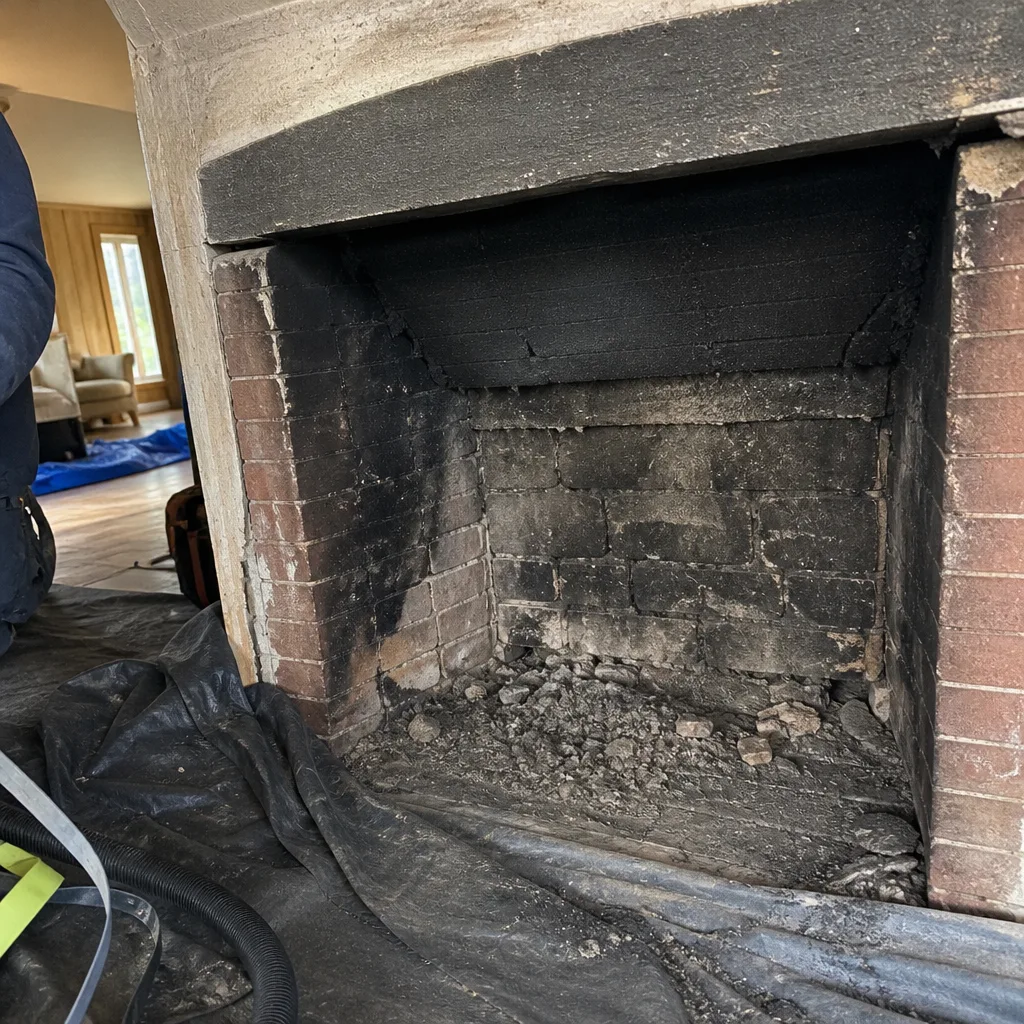 Before
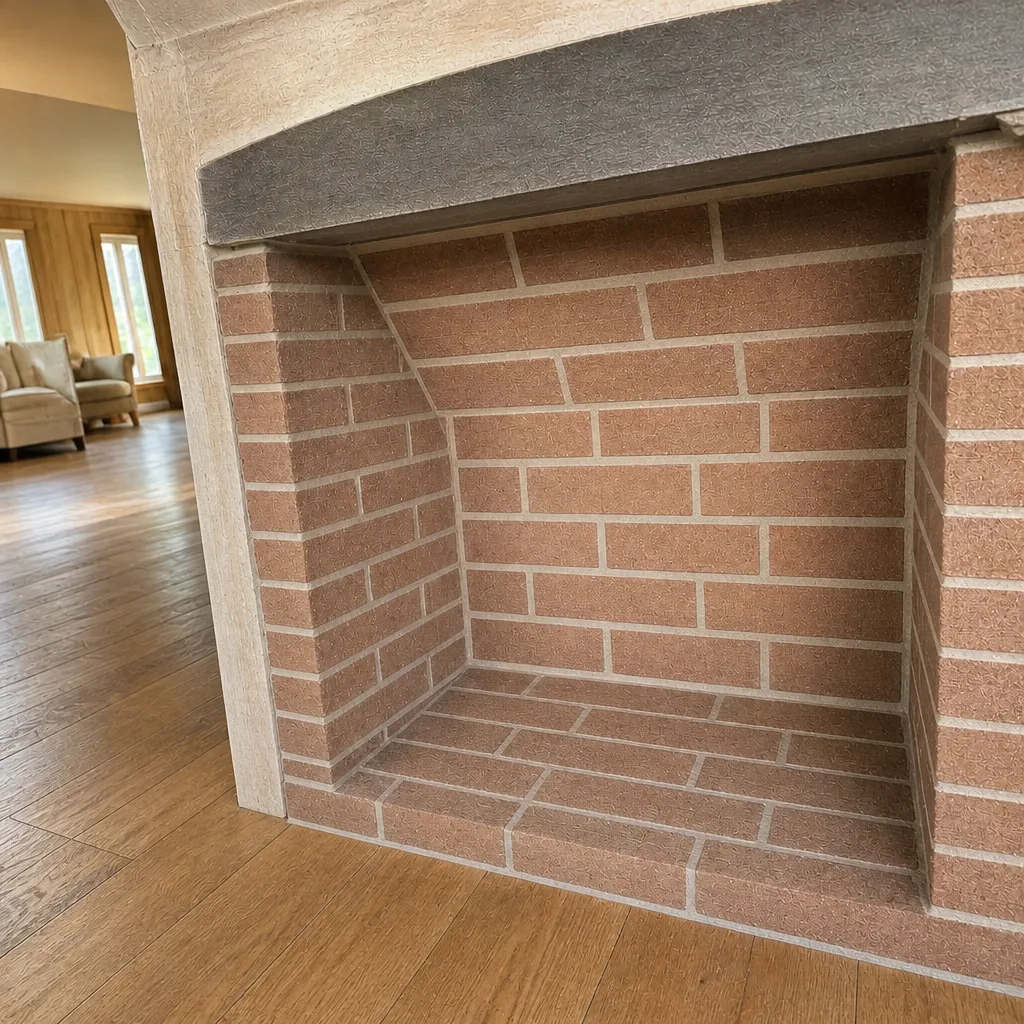 After
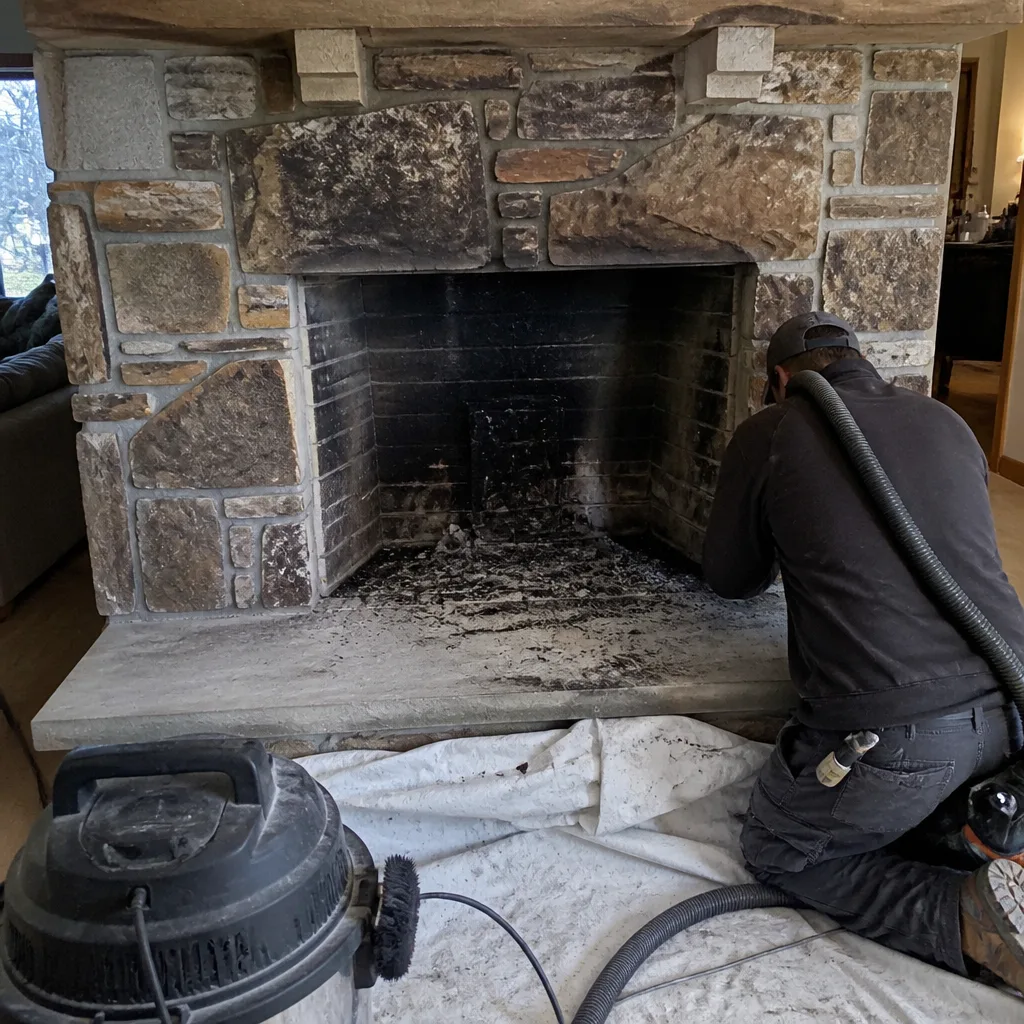 Before
 After
 Before
 After
When to Call a Professional
Some jobs are self-checkable; some aren’t. Call if you smell a persistent creosote odor, notice smoke coming into the room during a normal burn, see visible damage to the flue or cap, or find efflorescence and spalling on the exterior brick. Call if it’s been more than a year since the last sweep and you use the fireplace regularly. Call if the fireplace has had a rough season, been through a chimney fire, or sat unused for years before the first fire of the year. One crew, one call means a single visit can sweep, inspect, diagnose, and quote the cap, crown, or liner work if it’s needed, without bouncing you between vendors. If the diagnosis turns out to be minor, that’s what the report says, and you’ll hear when the work can safely wait.
Chimney Sweep Highlands offers free estimates in Highlands. Call (844) 443-4562 to book a sweep or inspection. We answer 24/7. Fast dispatch from 7am to 7pm, Sunday through Friday.
Frequently Asked Questions
Once a year for a regularly used fireplace, or about once per cord of wood burned, whichever comes first. Highlands burning seasons run long enough that annual cleaning keeps creosote at stage 1 or stage 2 instead of letting deposits harden into stage 3. If the fireplace is only used occasionally, an annual inspection without a full sweep may be the right call. Call (844) 443-4562 for a specific recommendation – estimates are free.
A sharp, tar-like, campfire smell, often strongest when there’s no fire in the fireplace or on warm, humid days. A light smell between sweeps is normal; a persistent, strong smell means deposits have built up to a level where a sweep should be booked. It doesn’t mean the fireplace is unsafe today, but it does mean the chimney is past due. Call (844) 443-4562 to schedule a sweep – estimates are free.
Yes, if you have the option. A cap keeps out rain, snow, birds, squirrels, and nesting material, and it also helps control downdrafts on windy days. Without one, an animal nesting on top of the damper shelf creates a blockage and a smell problem, and water entering the flue accelerates masonry wear in the Highlands freeze-thaw cycle. A proper cap is one of the lowest-cost protections in the whole chimney system. Call (844) 443-4562 for a quote on cap and crown work.
Those white, chalky, mineral patches are efflorescence, which is salt carried to the surface of the brick by moisture passing through it. It’s a sign that water is getting into the masonry through the crown, the flashing, or damaged mortar. Mild efflorescence can be cosmetic, but if it recurs after cleaning or spreads after rain, a proper exterior inspection is worthwhile. Call (844) 443-4562 for a free estimate.
A chimney fire can be as loud as a freight train roaring, or as quiet as a hot, strange smell and a flickering fire that suddenly pulls harder. Signs include dark marks or warp around the flue top, a sudden buildup of creosote flakes on the roof, or a strong hot smell you can’t identify. Any suspicion of a chimney fire means stop using the fireplace and get it assessed. Call (844) 443-4562 – we answer 24/7.
Yes. Sweeping and inspection check different things. A sweep clears the flue of deposits; an inspection looks at the liner, smoke chamber, firebox, crown, cap, and flashing to find the problems a brush doesn’t touch. That’s why we offer inspection as a standalone service rather than bundling it into a sweep without explanation. An inspection that finds nothing wrong is useful information. Call (844) 443-4562 to book one – estimates are free.
The Bottom Line
Most chimney problems in Highlands announce themselves well before they become dangerous. A sharp smell between fires, a sluggish draft, a slightly tilted cap, or efflorescence on the brick are all readable signals of a specific condition, and naming the symptom is what gets the right work done. Sort what you’re seeing into “schedule soon” or “stop using until assessed,” book a sweep and inspection before the season, and let a diagnosis, not a guess, decide whether a liner, crown, or repair is genuinely needed. If it turns out to be minor, you’ll hear that too. Trade-grade parts, from the firebox to the crown, mean a repair built to last rather than patched to pass.
Our technicians have up to 8 years of experience.
Written by the team at Chimney Sweep Highlands.