
Last updated November 24, 2026
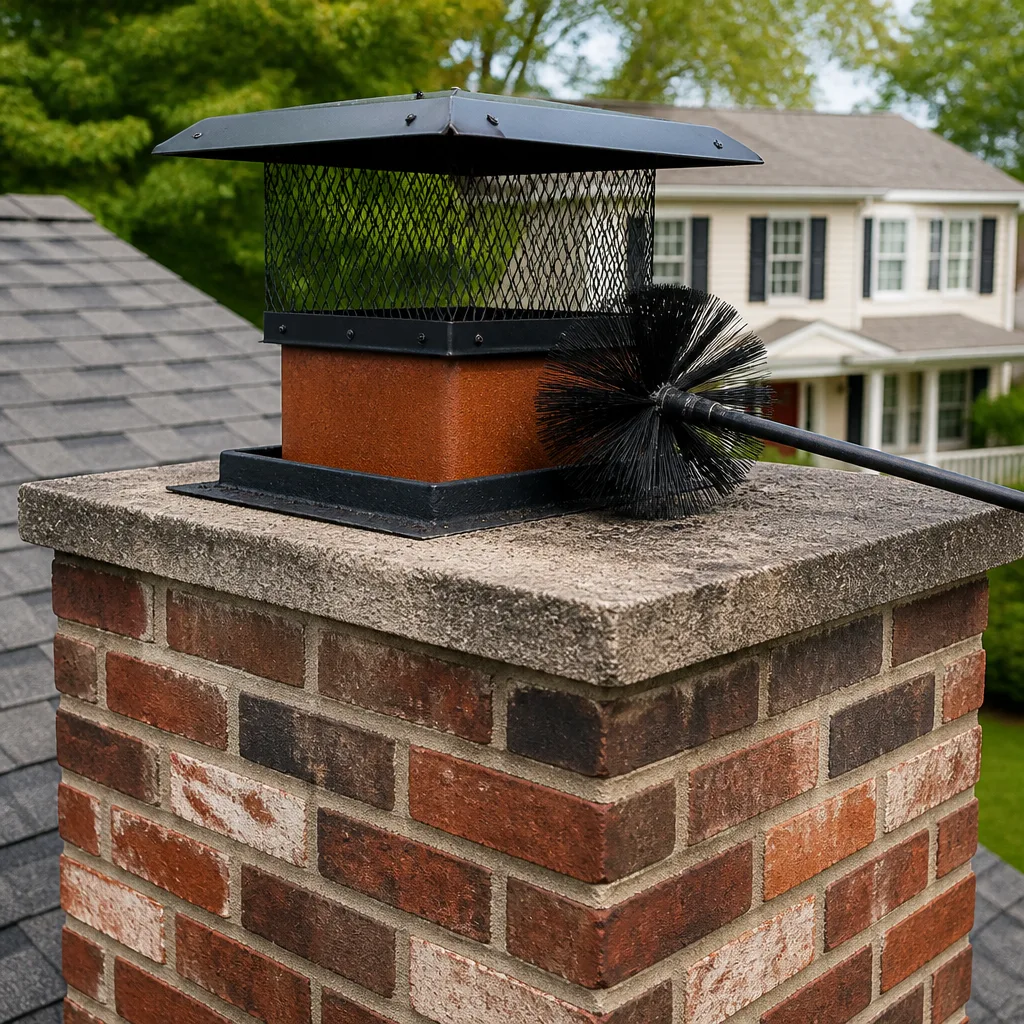 Sweep & inspection
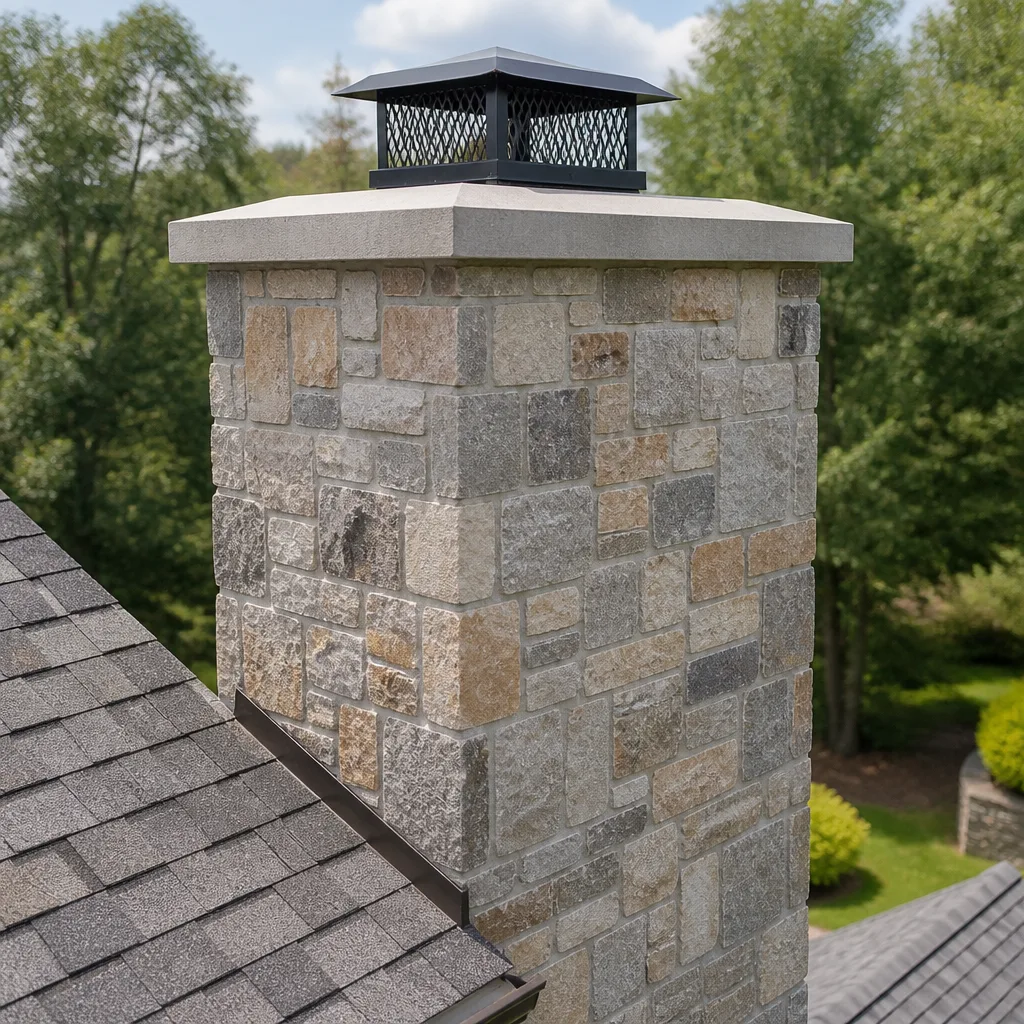 Caps & crowns
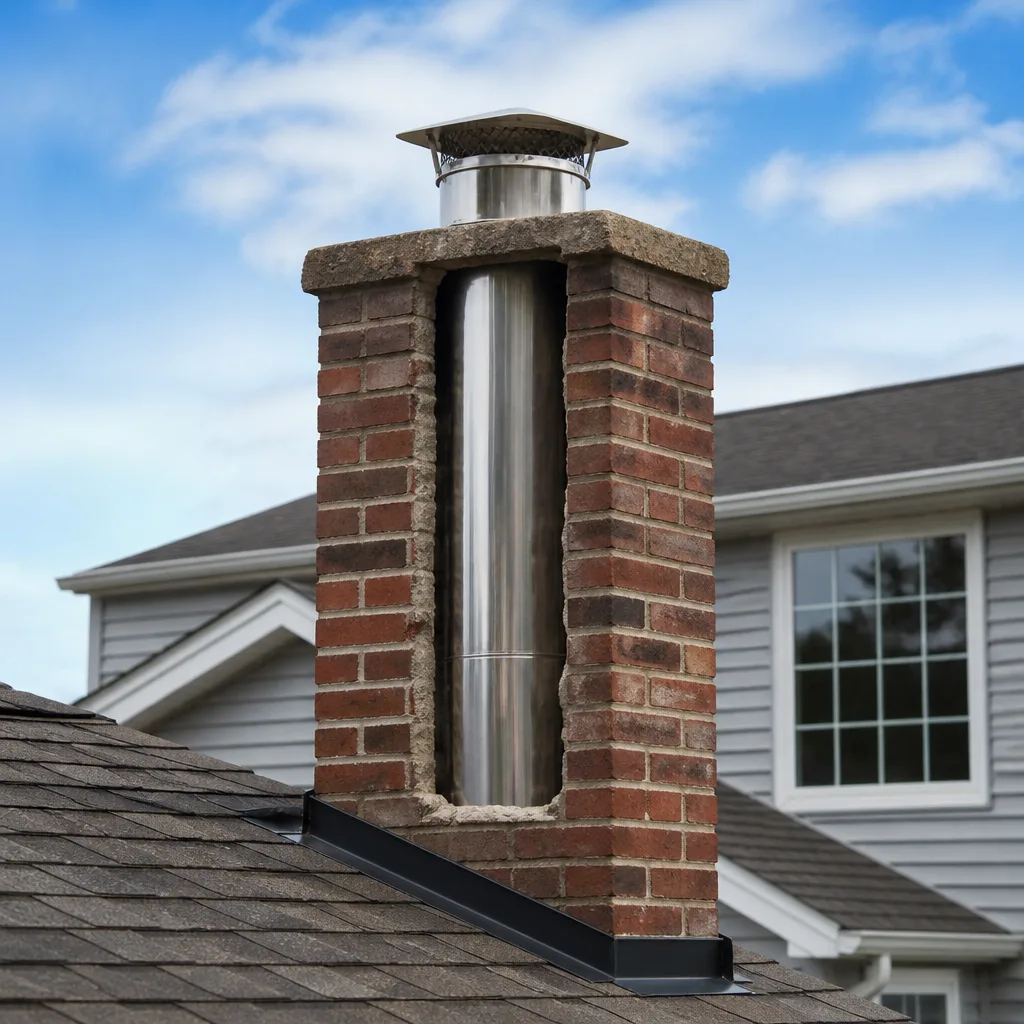 Flue relining
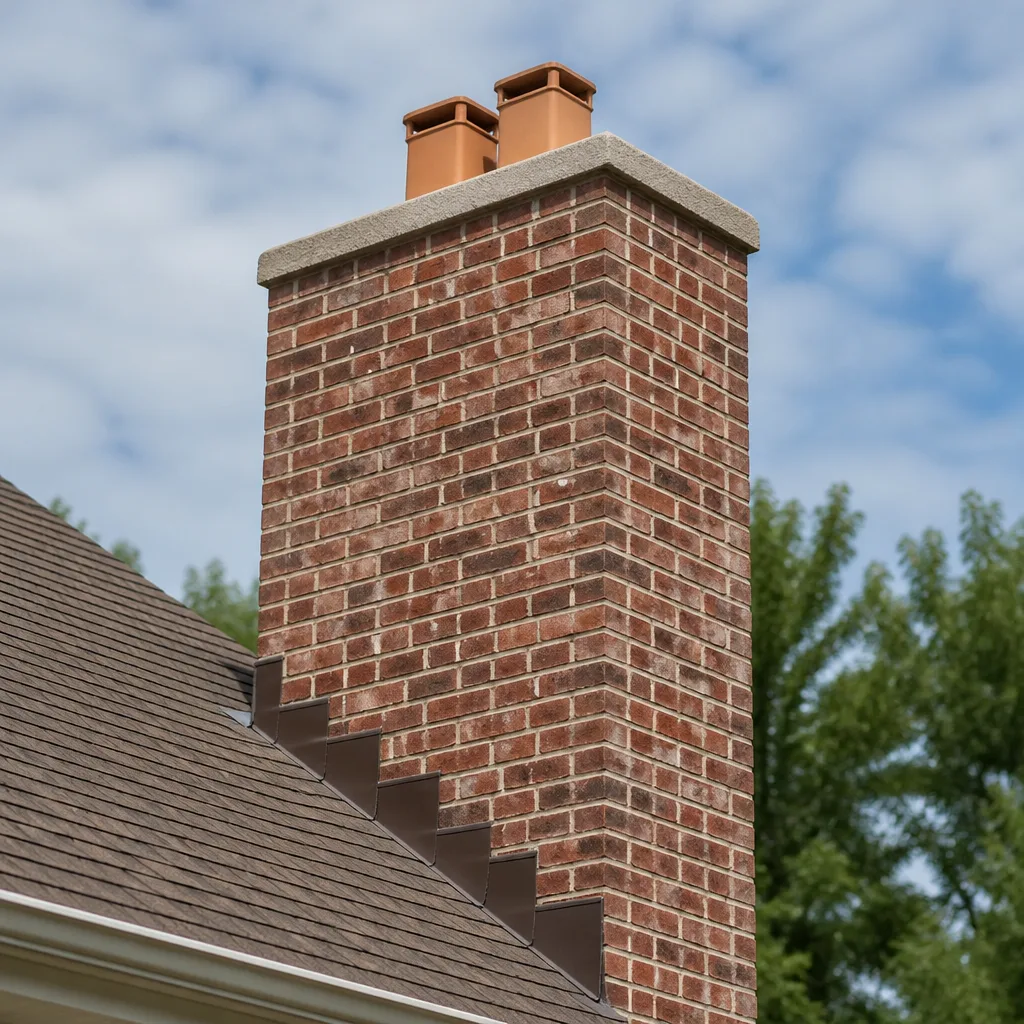 Masonry repair
 Gas fireplace service
Level 1 sweep and inspection to the NFPA 211 annual standard - flue, crown, cap, and flashing checked and photographed
Chimney sweep logs do not sweep chimneys. They loosen some creosote - which then falls where a brush and vacuum still have to collect it.
DIY vs Professional Chimney Cleaning: The Highlands Homeowner’s Decision Guide
Most handy homeowners in Highlands can sweep a flue. Push a brush up, pull it back down, repeat. The physical act of brushing isn’t the hard part, and anyone telling you it’s some kind of black art is overselling it. Here’s the honest problem: a DIY chimney brush removes loose soot, and that’s about where the story ends. It doesn’t tell you what stage your creosote has reached, whether your liner has a hairline fracture you can’t see from below, or whether the smoke shelf behind the damper is quietly deteriorating. Cleaning is a chore. Inspection is a diagnosis. This guide separates the two so you know exactly what a hardware-store kit can do in your Highlands home, where the limits are, and when brushing it yourself creates a false sense of security.
Quick Answer
DIY chimney cleaning is a reasonable maintenance step in Highlands if your chimney is sound, your fireplace burns clean fuel, and you know your flue has been professionally inspected and is in good shape. Professional cleaning is the better choice the moment you have an unfamiliar chimney, a wood stove, visible creosote, a prior fire, or any gap in your knowledge of the system’s condition, because a sweep without inspection is cleaning you can’t verify. Most Highlands homeowners are better served by a professional sweep and camera inspection at least once, then doing light between-visit brushing only if the flue has been cleared for it.
Styles & brands we work with
- Sweep & inspection
- Caps & crowns
- Flue relining
- Masonry repair
- Gas fireplace service
Table of Contents
- What DIY Cleaning Can Actually Accomplish
- The Equipment Gap: Brush Kits vs Professional Tools
- When DIY Is a Reasonable Maintenance Step in Highlands
- When DIY Creates a False Sense of Security
- Creosote Stages and Why They Change the Decision
- Liability, Insurance, and the Value of an Inspection on Record
- The Homeowner Visual Checks You Can Safely Do Yourself
- Common Mistakes to Avoid
What DIY Cleaning Can Actually Accomplish
Let’s be specific about what a brush actually does, because this is where most of the DIY debate gets slippery. A chimney brush, whether it’s a poly bristle or a flexible steel style, is a scraping tool. It knocks loose soot and light, flaky creosote off the flue walls so it falls into the firebox or, ideally, into a vacuum. That’s a real job and it matters. Soot buildup restricts draft. Light creosote flaking off during a fire can ignite. A homeowner who brushes their own flue correctly and safely is genuinely reducing some fire risk.
What the brush does not do is just as important to understand:
- It doesn’t classify creosote. A brush will remove stage-one creosote, the powdery, easy stuff. It glazes over stage-two and hardens against the flue on stage-three, neither of which a nylon brush will meaningfully touch. You cannot tell from the ground which stage you’re looking at.
- It doesn’t reveal liner fractures. A cracked clay tile or a separated metal liner segment can look perfectly fine from the damper. It takes a camera run up the flue to see the truth.
- It doesn’t spot smoke shelf deterioration. The smoke shelf is a horizontal ledge behind the damper that redirects exhaust back up the flue. It’s out of view in most fireplaces, and masonry there can crack and spall over time.
- It doesn’t check the crown or cap. The top of the chimney is where water gets in and where birds and squirrels get down. Cleaning the flue from below tells you nothing about either.
- It doesn’t identify the cause of a drafting problem. If your fireplace smokes into the room, brushing the flue won’t tell you whether the issue is flue sizing, a blocked cap, negative pressure in the house, or something structural.
In other words, DIY cleaning is a maintenance action. It is not an assessment. The distinction is the entire thesis of this guide, and it matters more in Highlands than it might in a milder climate, because we heat with wood for months on end and the creosote load adds up faster than most people expect. Call Chimney Sweep Highlands if you want the sweep plus the answer about what’s actually inside your flue.
The Equipment Gap: Brush Kits vs Professional Tools
A hardware-store chimney kit typically includes flexible rods, a polypropylene brush sized to your flue, and maybe a small hand brush. For a straight clay flue in good condition, that’s adequate for knocking down loose soot. What it doesn’t include is what a professional brings to the job, and the gap isn’t a marketing point, it’s mechanical reality for a Highlands chimney that’s seen real use.
Here’s how professional equipment differs:
- Rotary sweeping systems. A rotary head spins at speed with whip lines or a brush head, which scours glazed creosote the way a hand-pushed brush never will. It’s what handles stage-two deposits.
- Camera inspection equipment. A specialized flue camera records the flue from firebox to cap. It’s how a proper chimney sweep becomes a diagnosis rather than a scrub-and-leave.
- High-output HEPA vacuums. A shop vac will blow fine soot into the room as fast as it pulls it in. Professional units have the filtration and airflow to pull soot down and hold it.
- Light and angle access. Reaching the smoke shelf, the damper frame, and the upper flue angles requires lights, mirrors, and the physical access a person standing in a firebox simply doesn’t have.
- Liner and cap tooling. If the sweep reveals a liner issue, the company can evaluate it on the spot and quote a fix using trade-grade products from brands like DuraFlex or Olympia Chimney. A brush kit can’t do that, and neither can a homeowner with a phone and a YouTube tutorial.
The professional advantage isn’t speed. It’s the ability to see and fix, in one visit, what a brush alone can’t reveal. That’s the real difference between a sweep and a sweep with a diagnosis attached.
When DIY Is a Reasonable Maintenance Step in Highlands
There are legitimate scenarios where brushing your own chimney is fine. If you’re going to do it, do it under these conditions:
- Your flue has been professionally inspected and cleared. You know, because someone trained to look told you, that the liner is sound, the crown is intact, and the flue is the right size for your appliance.
- You’re burning dry, seasoned wood. Wet or green wood produces far more creosote. If your firewood is properly cured, your deposits stay in the powdery range longer.
- You’re doing light mid-season brushing. A brush-and-vacuum pass between professional visits, in a flue that’s already been checked, is a sensible way to keep soot from building up mid-winter.
- You have the right PPE and a full-height flue. Safety glasses, a proper respirator, gloves, and a flue you can actually reach without a ladder on the roof. Chimney work is height work, and height work is where homeowners get hurt.
- You know your limits. If the brush meets resistance, if you see glazed deposits, if anything smells wrong, stop and call a professional.
Notice the pattern: DIY is appropriate as upkeep on a system that’s already been verified. It’s a bad first step on a system you don’t know.
When DIY Creates a False Sense of Security
Here’s the scenario that worries us most. A homeowner brushes their flue, feels satisfied that the smoke runs clean, and crosses chimney maintenance off the list for the year. What they don’t know is that their clay liner has a hairline crack from the freeze-thaw cycles that Highlands fireplaces see every winter, or that a raccoon has nested on the smoke shelf, or that their flue has glazed creosote the brush never had a chance of removing. None of that gets discovered by brushing.
DIY sweeping becomes dangerous when:
- The chimney hasn’t been professionally inspected in a while. You’re cleaning blind. You can’t know what you don’t know.
- You’ve had a chimney fire, even a small one. A fire can crack tiles or warp a metal liner. It might look fine on the surface. It likely isn’t.
- You smell a strong, acrid odor in warm weather. That’s usually creosote off-gassing, and it often signals buildup that brushing from below won’t fix.
- You’ve noticed smoking, backdrafts, or poor draft. These are symptoms, not chores. They need diagnosis, not scrubbing.
- Your home has a wood stove or insert. These burn hotter and can produce glazed creosote faster than an open fireplace. They also have tighter clearances and require a different inspection.
- You’re selling the house. A buyer’s inspector is going to want documentation. Brushing your own chimney leaves no record.
For a Highlands homeowner with a working fireplace, the honest rule is this: brush all you want, but have a professional inspect at least once a year if you burn regularly. The brush keeps the flue clear. The inspection keeps you safe.
Creosote Stages and Why They Change the Decision
Creosote is the tar-like residue left behind by wood smoke. It’s the main reason chimney cleaning exists. It builds up in three recognizable stages, and each stage changes what cleaning method works and whether DIY is appropriate.
- Stage one: powdery and flaky. This is the easy stuff. A brush removes it, and a homeowner with proper gear and a cleared flue can do it. It’s what you’ll see after a season of burning well-seasoned wood in a clean-burning fireplace.
- Stage two: hard and crusty. The creosote bonds to the flue wall and requires more mechanical effort to remove. A hand-pushed brush struggles with it. Rotary sweeping and some chemical softeners are the standard approaches.
- Stage three: glazed and hardened like tar. This is the dangerous stage. Stage-three creosote is the fuel source for a chimney fire. A brush will slide right over it. Removing it safely usually takes a combination of rotary mechanical action and, in older or complex flues, methods like HeatShield ceramic resurfacing if the liner itself is compromised.
Here’s why this matters for the DIY decision in Highlands specifically: we burn wood for longer stretches than a lot of the country, and the dry, cold winters here can produce rapid creosote accumulation if a fireplace is run with under-seasoned wood or a smoldering fire. A homeowner who brushes once and declares the flue clean may be looking at stage two underneath and not know it. The only way to know which stage you’re facing is to look up there with proper equipment. A camera inspection reveals it. A brush never does.
If your flue turns out to have a damaged liner under that creosote, our chimney cap & crown and repair work can address the full system in one visit rather than bouncing you between contractors. That’s the value of a single crew from firebox to crown.
Liability, Insurance, and the Value of an Inspection on Record
This is a section most DIY guides won’t touch, and it matters. When you sweep your own chimney, you are self-certifying it as clean and, by extension, as safe. That has consequences.
In a home insurance context, a chimney fire claim can be complicated by the absence of professional inspection records. Insurers won’t necessarily deny a claim, but they will ask when the chimney was last serviced and by whom. If the answer is “I did it myself and I don’t have documentation,” you’re in a weaker position than a homeowner with a dated inspection report from a qualified professional on file. A written record from a trained inspector is the difference between “I know my chimney was maintained” and “I believe my chimney was maintained.”
The same applies when selling a home. Buyers, their inspectors, and their lenders all prefer paper. A professional inspection report is an asset. A DIYing homeowner has to explain why there isn’t one, and their buyer may ask for a professional inspection as a condition of closing anyway.
There’s also the matter of what “clean” means. A sweep that clears soot but doesn’t inspect and report can’t honestly certify a flue as clean or safe. A professional inspection is what gives a homeowner a documented answer to a question a hardware brush has no way to answer: is this chimney actually safe to burn in? That’s the reason inspection is offered as a standalone service, not bundled as an upsell after the sweep.
The Homeowner Visual Checks You Can Safely Do Yourself
There is real value in knowing your chimney system, and some checks are perfectly safe for a homeowner to do between professional visits. These are the checks that don’t require climbing on the roof or reaching into the flue. Here’s what we recommend Highlands homeowners look at:
- Check the damper operation. Open and close it while looking into the firebox. It should move freely and seal reasonably well. A stiff or stuck damper is worth mentioning at your next inspection.
- Look up from the firebox with a flashlight. You’re looking for visible soot buildup, cracks, or anything shiny and glazed. You’re not diagnosing. You’re noticing.
- Check the outside of the chimney from the ground. Use binoculars if you need to. Look for missing mortar, cracked masonry, a leaning chimney, or a cap that’s loose or damaged.
- Watch for water intrusion. Water stains on the ceiling near the chimney, rust on the damper, or cracks that seem to grow through the winter point to a crown or flashing issue.
- Note your draft quality. Is the fireplace smoking into the room more than usual? Is it slow to start? These are the symptoms worth flagging to a professional.
- Inspect your firewood pile. Splitting a piece should reveal dry wood, not green and damp inside. Poor fuel is the leading contributor to creosote buildup.
The line to hold is this: you can look, notice, and document. You don’t need to diagnose or repair. And you never need to climb onto the roof to check a cap or crawl into a flue. Those are jobs for someone trained for the height and the equipment. When you spot something uncertain, our fireplace repair team can take the observation from “I noticed something” to a real diagnosis.
Common Mistakes to Avoid
- Brushing without a camera inspection first. You’re cleaning blind. The brush clears soot, but you have no idea what the liner looks like underneath. Get a professional inspection at least once, then decide.
- Using a shop vac instead of a HEPA vacuum. A shop vac blows fine soot into your living room. It’s a common Highlands mistake because the soot particles are so fine. If you’re going to DIY, rent or borrow a proper HEPA chimney vacuum.
- Assuming “clean” equals “safe.” A clean flue with a cracked liner is still dangerous. Cleaning and inspection are two different services, and you need both to know your chimney’s condition.
- Burning unseasoned wood to save money. Wet wood causes far more creosote buildup, which means more frequent cleanings and a higher fire risk. In a Highlands winter, that adds up fast.
- Ignoring the cap and crown. These are the most commonly skipped parts of a chimney system, and they’re where water gets in. A failing crown can cause structural damage over a winter. Cap and crown work is a specialty service, not a handyman job.
- Not documenting your inspections. Whether for insurance or resale, a written inspection report matters. Keep them.
- Sweeping a chimney that hasn’t been inspected since you bought the house. If you’ve never had a professional look at the flue in the home you own, brushing it first is backwards. Inspect first, then decide what cleaning it needs.
See the difference
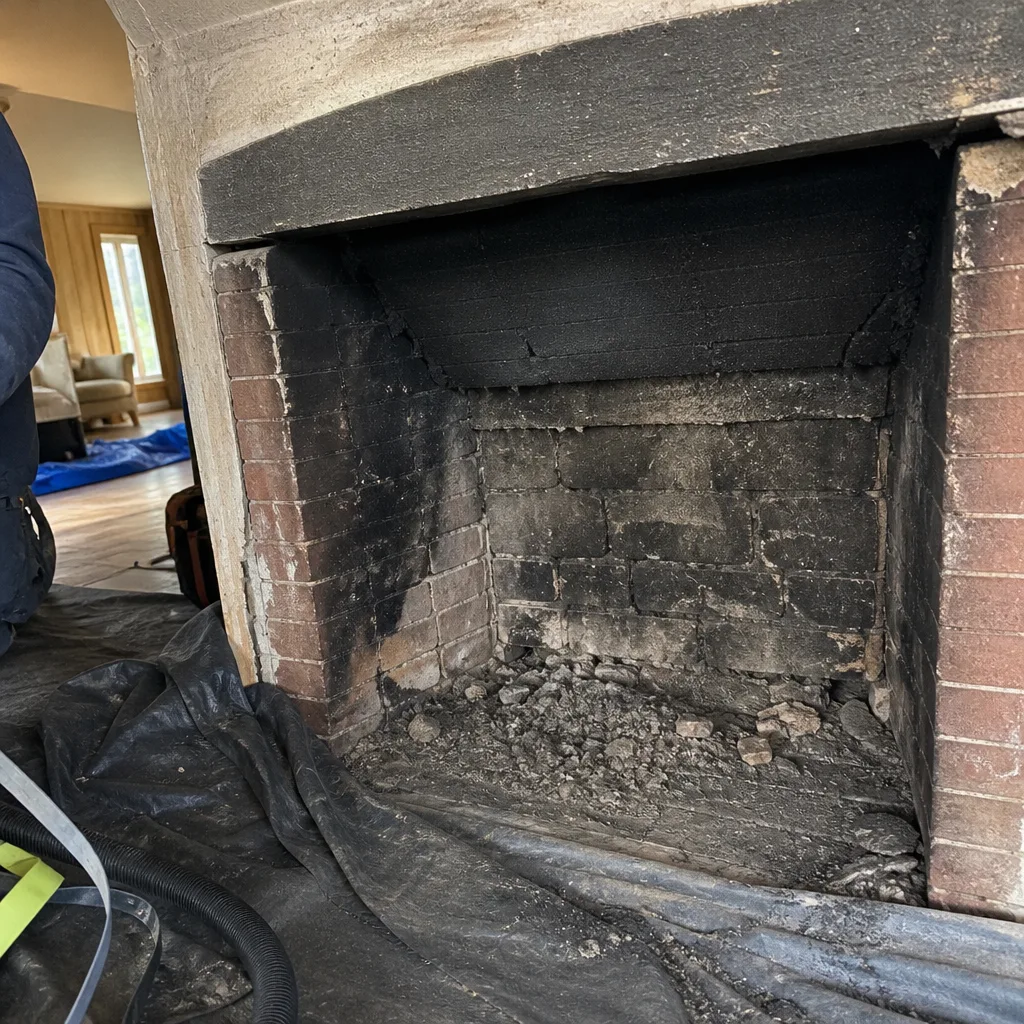 Before
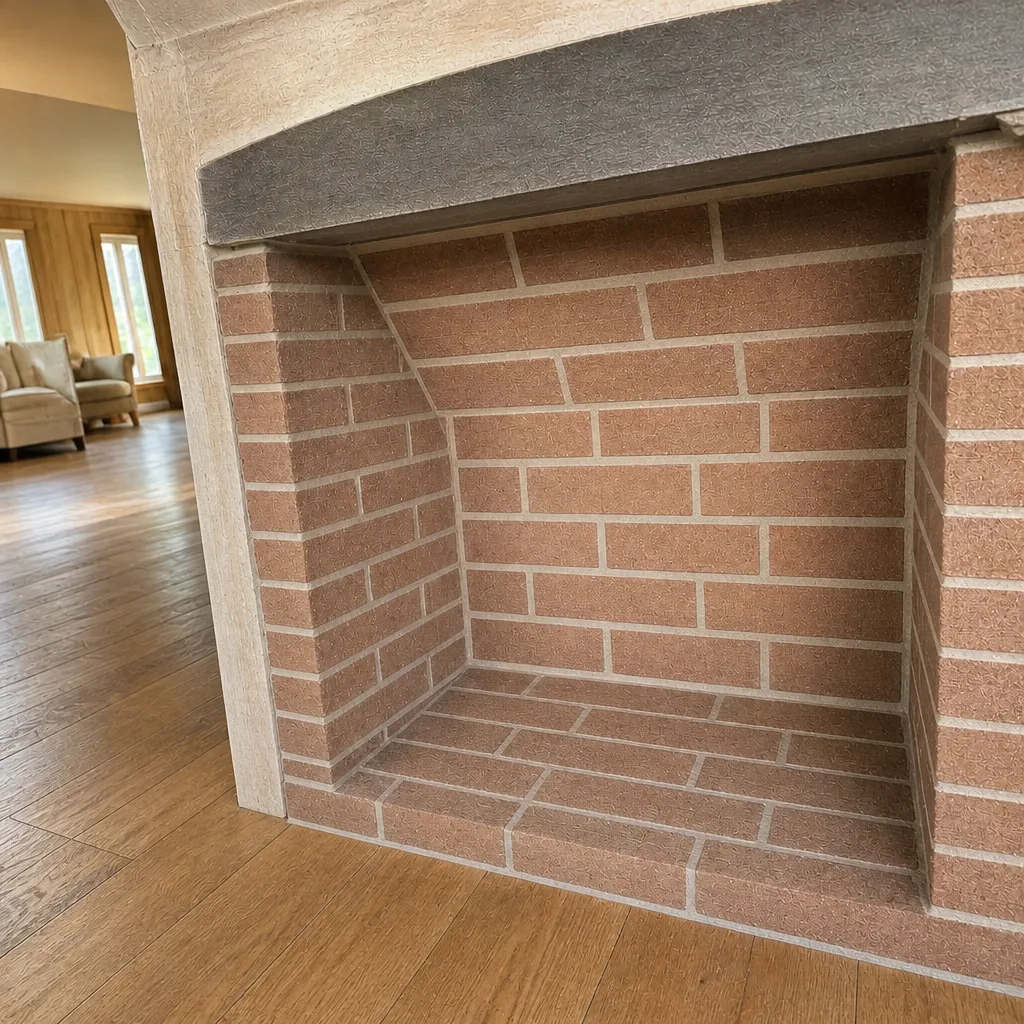 After
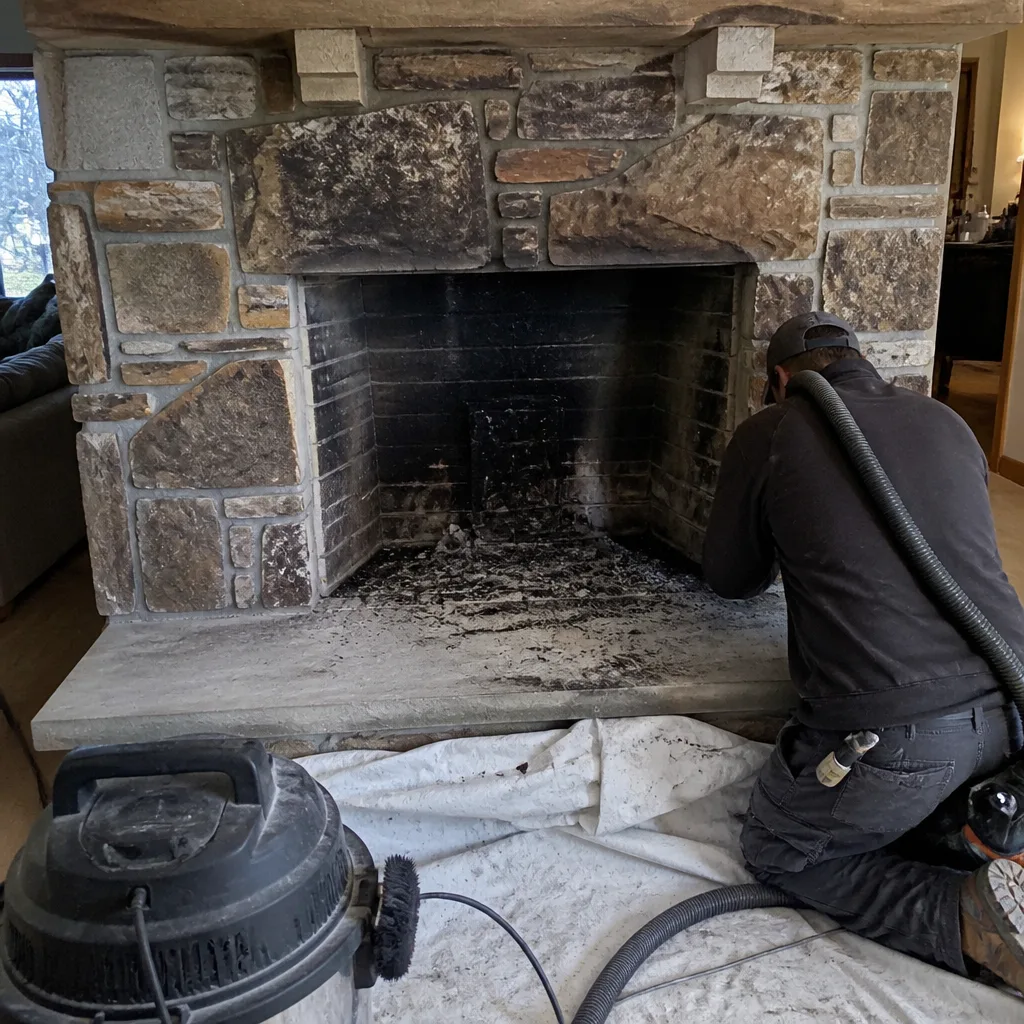 Before
 After
 Before
 After
When to Call a Professional
Call a professional the moment any of these are true for your Highlands home: you’ve never had the chimney inspected; you’ve had a chimney fire, even a small one; you smell strong creosote odor; the fireplace smokes or backdrafts; you’ve noticed glazing on the flue walls; there’s visible damage to the crown or cap; you’re switching to a wood stove or insert; or you’re selling the home. Any one of these means a brush in your hands isn’t the right tool. Chimney Sweep Highlands offers free estimates in Highlands. Call (844) 443-4562 and we’ll book a sweep and inspection, walk you through what the camera shows, and give you a written plan for anything that needs fixing. From the firebox to the crown, one crew handles the whole system, so findings don’t get lost in a referral chain.
Frequently Asked Questions
Yes, if your flue has already been professionally inspected and cleared, you’re burning seasoned wood, and you have the right safety gear and vacuum. The catch is that DIY cleaning is effective for soot and light creosote, not for the inspection and diagnosis part. If you don’t know your flue’s condition, brush it only after a professional has looked. Call (844) 443-4562 to book an inspection first.
Most wood-burning chimneys benefit from a professional sweep and inspection once per year when the fireplace gets regular use. Homes that burn heavily through the winter may need it more often, especially if creosote is building quickly. The right schedule is set by what a camera inspection actually shows, not by a fixed calendar. Call (844) 443-4562 for a free estimate and a schedule that fits how you burn.
The main risk is that you clean the flue but never learn about a crack, a deteriorated crown, or glazed creosote a brush won’t remove, so you keep burning in a chimney that isn’t safe. A chimney fire or a carbon monoxide problem is exactly the kind of thing a brush can clean around without revealing. Call (844) 443-4562 to have an inspection on record and find out what’s actually going on.
Usually no, because there’s no professional record of what condition your chimney is in. Insurers typically want documentation when a chimney claim arises, and a self-swept chimney with no inspection report gives you nothing to show. A dated inspection report from a qualified professional is what you want on file. Call (844) 443-4562 to book one.
A professional brings rotary sweeping systems, a flue camera for inspection, a HEPA vacuum for soot control, lighting and angle access for the smoke shelf and damper frame, and the tools to address liner or cap issues if they turn up. The hardware kit is a brush and rods. It’s a real difference in what each can do. Call (844) 443-4562 for a sweep and inspection done with trade-grade equipment.
Yes, an annual professional inspection is still worth it even if you DIY brush mid-season, because you’re only cleaning, not checking. The inspection is what finds cracks, deterioration, or glazed creosote a brush won’t touch. Think of it as the yearly checkup to your seasonal brushing. Call (844) 443-4562 and we’ll keep you on a schedule that matches how you burn in Highlands.
The Bottom Line
DIY chimney cleaning is a legitimate maintenance activity, not a foolish one. A homeowner with a verified flue, dry firewood, and proper gear can safely brush soot between professional visits and prevent real buildup. What DIY can’t do is inspect, diagnose, or certify. The brush cleans. The camera and the trained eye reveal what needs fixing. In a Highlands home where the fireplace runs hard through the winter, the honest strategy is inspect first, then decide: sweep professionally, get a report on record, and do light upkeep between visits only when the flue has been cleared for it. That approach keeps your fireplace working, your home safe, and your insurance and resale paperwork in order. Trade-grade parts from brands like Olympia Chimney, Famco, and Copperfield are only as good as the diagnosis that put them there.
We answer 24/7. Fast dispatch, 7am-7pm, Sunday through Friday. Call (844) 443-4562 for a free estimate in Highlands, book a sweep and inspection, and we’ll show you exactly what your chimney needs and what it can safely wait on.
Written by the team at Chimney Sweep Highlands.