
Last updated November 24, 2026
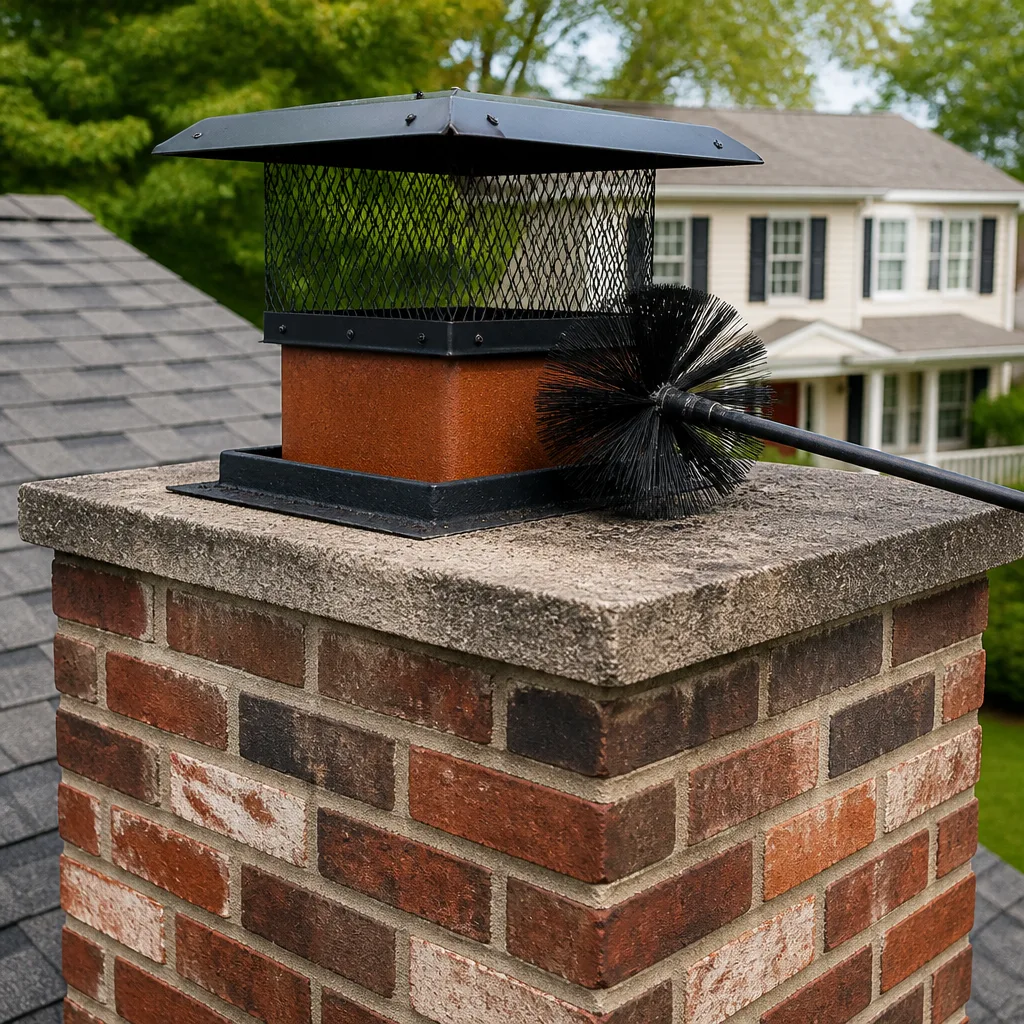 Sweep & inspection
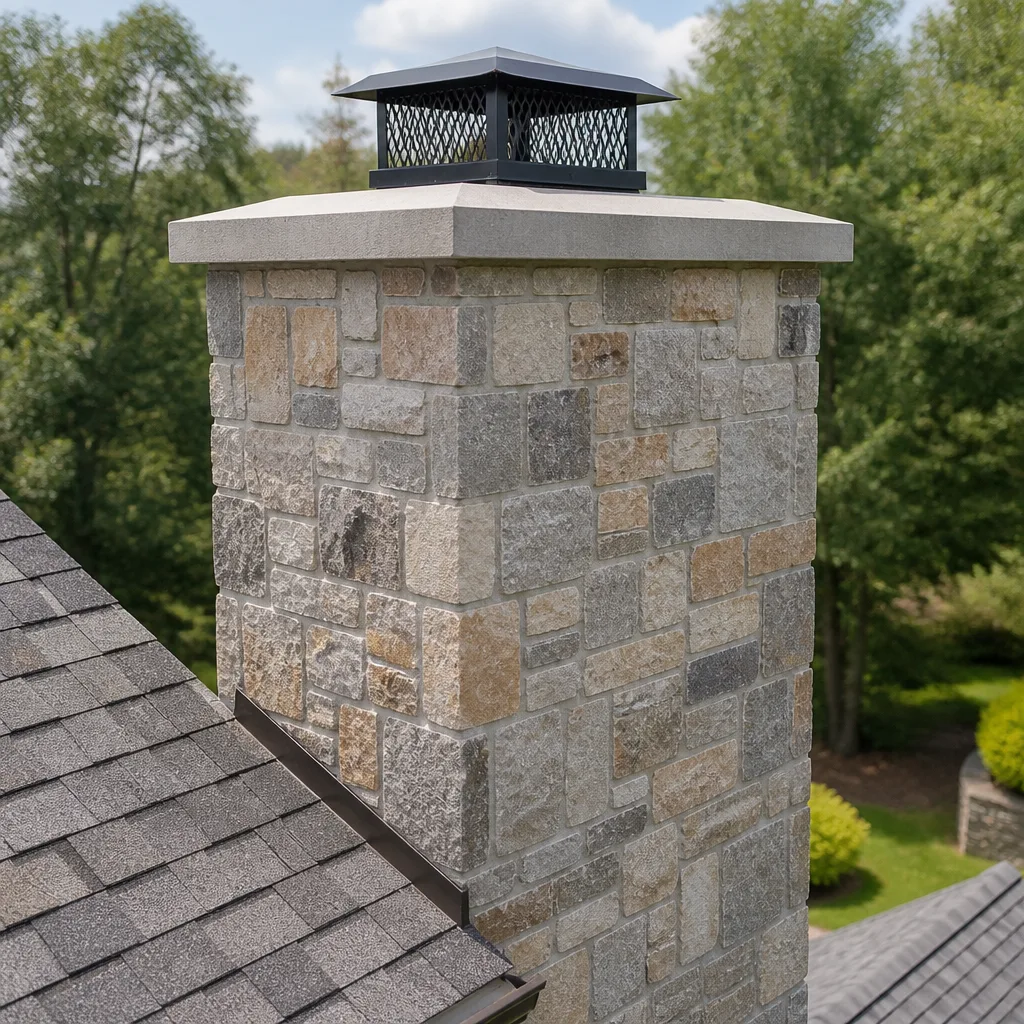 Caps & crowns
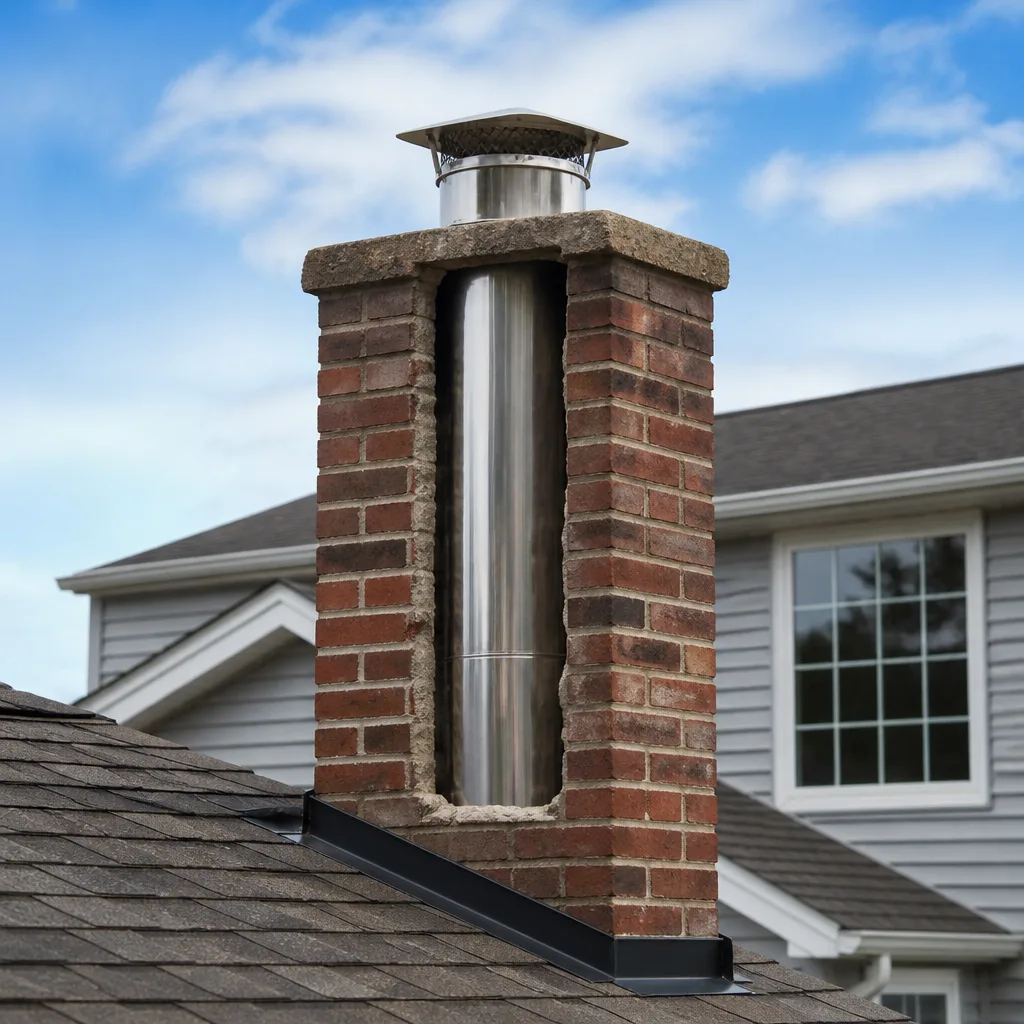 Flue relining
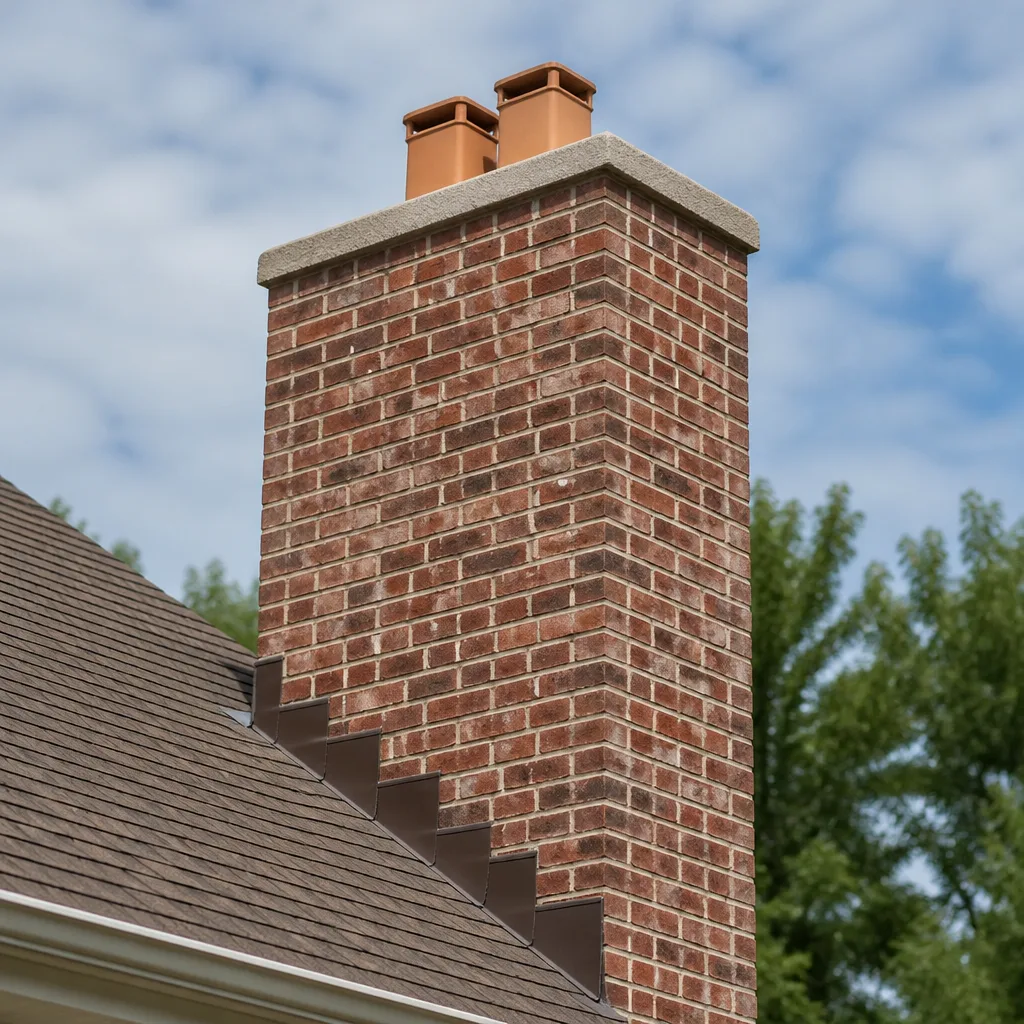 Masonry repair
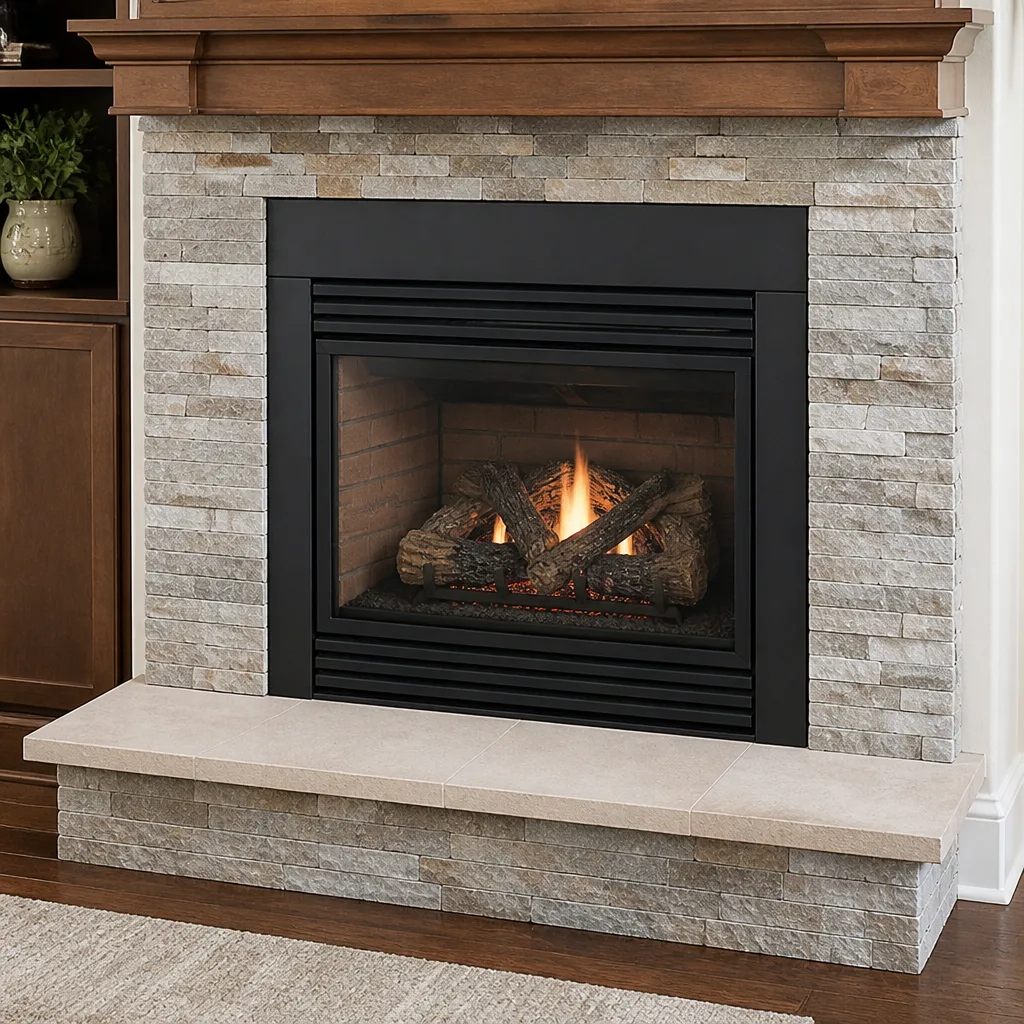 Gas fireplace service
Level 1 sweep and inspection to the NFPA 211 annual standard - flue, crown, cap, and flashing checked and photographed
Chimney sweep logs do not sweep chimneys. They loosen some creosote - which then falls where a brush and vacuum still have to collect it.
Choosing the Right Chimney Cleaning Brand: A Buyer’s Guide for Highlands
A five-star rating from a national chimney franchise tells you people were satisfied. It doesn’t tell you whether the technician who showed up was certified, whether the materials used were professional grade, or whether that company could have handled a liner repair if the inspection had turned one up. “Brand” in chimney cleaning isn’t about a logo on a van. It’s about which of three business models you’re actually hiring: a national franchise with local operators, a regional independent, or a solo tradesperson working alone. Each has real trade-offs that price and reviews won’t reveal. This guide walks through what to ask, what to look for, and how Highlands homeowners can tell trade depth from surface polish before booking anyone.
Quick Answer
The right chimney cleaning brand in Highlands is the one that sweeps, inspects, and repairs under one accountability structure – not a franchise that sweeps and subcontracts, and not a solo sweep with no repair path. Look for professional-grade materials (Gelco, Olympia Chimney, Famco, Copperfield and similar trade brands), an inspection-first process, and the ability to resolve what the inspection finds without handing you off. Price matters least of the three.
Styles & brands we work with
- Sweep & inspection
- Caps & crowns
- Flue relining
- Masonry repair
- Gas fireplace service
Table of Contents
- National Franchise vs. Local Specialist: What the Model Means for You
- How to Measure a Company’s Actual Trade Depth
- Certifications: What They Signal and What They Don’t
- Why Highlands Market Knowledge Changes the Diagnosis
- Using the First Phone Call to Vet a Contractor
- Reading the Materials List: What “Trade-Grade” Actually Means
- Inspection-First vs. Sweep-and-Upsell
- Accountability: Who Owns the Problem When Something Goes Wrong
National Franchise vs. Local Specialist: What the Model Means for You
The three models you’ll encounter when searching for chimney cleaning in Highlands behave very differently once the work starts. Understanding the structure tells you more than any single review ever will.
A national franchise sells territory to a local operator. That operator runs a business under a shared name and often a shared playbook. The upside is standardized process and brand-level training resources. The downside is that quality still varies by whoever bought the territory, and the home office can’t fix a bad technician. When a franchise sweeper discovers a cracked flue tile, the repair usually gets subcontracted to a third party, which means the person who diagnosed the problem isn’t the person who fixes it. Nobody owns the whole system.
A regional independent like Chimney Sweep Highlands runs one operation end to end. Sweep, inspection, fireplace repair, chimney repair, cap and crown work all come from the same accountability structure. If the inspection finds something, the same company resolves it. One crew, one call. The trade-off is that you’re trusting one operator rather than a national name, so vetting matters more.
A solo tradesperson is often the most experienced individual in the room. But one person has limits: no backup, no second opinion, and frequently no capacity for liner work or masonry repair. When the job outgrows them, you either wait or start over with someone new.
- Franchise: standardized process, variable local execution, common subcontracting on repairs
- Regional independent: full-service depth, single accountability, vetting falls on you
- Solo tradesperson: often strong on sweeping, limited on repair scope and availability
None of these is automatically wrong. What matters is that you know which one you’re hiring and whether its limits match your chimney’s actual condition. A chimney in good shape may only need a sweep. A chimney in a 1980s Highlands subdivision with original clay tile likely needs more.
How to Measure a Company’s Actual Trade Depth
Trade depth means the range of chimney problems a company can actually solve, not just describe. The fastest way to measure it is to ask what happens after the inspection. If the answer involves the word “referral” for anything beyond a routine sweep, you’ve found a shallow operation.
Use these questions as a practical test:
- “Do you do liner work in-house?” A company that installs flexible liner systems handles offset and complex flue configurations that rigid liners can’t navigate. If they subcontract liner installation, they can’t guarantee the fit or the finish.
- “Can you resurface a deteriorating flue?” HeatShield ceramic resurfacing is a specialized capability. Companies that can’t do it have two options when they find a failing flue: recommend a full liner replacement that may be unnecessary, or walk away. Neither serves you well.
- “Do you handle masonry repair and crown work?” A crown is the concrete cap on top of the chimney that sheds water. Most sweep-only companies treat it as an afterthought. A company that treats chimney cap & crown as a dedicated service has the masonry skills to keep water out of the whole structure.
- “What brands do you install?” Professional-grade names like DuraFlex, HeatShield, Gelco, Olympia Chimney, Famco, and Copperfield are what certified chimney professionals specify. Generic contractor-supply substitutes are a tell.
- “Can you show me the camera footage?” A company with real diagnostic depth owns a chimney camera and uses it every time.
In our experience, the gap between companies widens exactly where the money is: liners, crowns, and flue resurfacing. That’s where trade depth shows. A sweep is a sweep. Repair is where the expertise lives.
Certifications: What They Signal and What They Don’t
A certification is evidence of training at a point in time. It is not evidence of ongoing competence, and it is not a guarantee that the holder’s company does the work well. The distinction matters more than most homeowners realize.
The most recognized credential in the trade is CSIA certification from the Chimney Safety Institute of America. It signals that an individual passed an exam covering codes, standards, and sweeping practice. It does not tell you:
- Whether the company’s other technicians are certified or trained to the same standard
- Whether the company keeps up with current manufacturer specifications for liners, caps, or resurfacing products
- Whether the certified individual is actually the one who shows up at your door
- Whether the company has the equipment and skills to do repair work, not just sweeping
What ongoing training looks like in practice: a company that installs HeatShield has been trained on ceramic resurfacing application. A company that specifies Gelco or Olympia Chimney components knows those product systems well enough to recommend the right one for a given configuration. That kind of capability is credential-adjacent: it isn’t captured on a wallet card, but it tells you the company invests in skills beyond the basics.
Ask any Highlands chimney company a simple question during the first call: “Who on your team is certified, and will that person be doing my inspection?” If the answer is vague, treat it as a data point. A company that knows its own credentials will recite them without hesitation.
Why Highlands Market Knowledge Changes the Diagnosis
Chimneys fail differently depending on where they sit. Highlands sits at elevation in the Front Range foothills, which means cold winters, significant snow load, and freeze-thaw cycling that stresses masonry more than a milder climate would. A company that doesn’t account for local conditions will miss things a company that works here every week will catch immediately.
What local knowledge means in practice:
- Freeze-thaw damage on crowns and mortar joints. Water gets into a hairline crack, freezes, expands, and widens it. A Highlands crown that looks fine in summer can be failing by February. A local inspector knows to look for this pattern.
- Fuel type and creosote. Fireplaces burning seasoned hardwood produce different creosote deposits than those running on other fuels. Creosote type affects how the flue should be swept and how often.
- Common configurations in the area. Homes in older Highlands neighborhoods and newer foothill subdivisions have different typical flue setups. A company that works here regularly sees the same configurations repeatedly and reads them faster.
- Snow and ice on caps. Heavy snow can crack a poorly seated cap or force water past its edges. A company that installs caps in Highlands knows which styles hold up.
This is why “we serve the whole metro” is less useful than it sounds. The company that knows Highlands chimneys from the inside out diagnoses faster and recommends more accurately. If you want a broader look at what the core service involves, our page on chimney sweep covers the process from start to finish.
Using the First Phone Call to Vet a Contractor
The phone call is free, and it tells you more than a website ever will. A knowledgeable company will answer technical questions directly. A company that leans on marketing language will hedge. Here’s a practical script for the first call:
- Ask what the inspection covers. A real inspection includes a camera look up the flue, not just a visual from the firebox. Ask specifically about camera use.
- Ask whether they can do the repair their inspection finds. “If you find a cracked flue tile, can you fix it?” The answer reveals whether they subcontract.
- Ask what brands they install. Listen for professional-grade names. If the answer is “whatever the supply house has,” that’s your answer.
- Ask about the report. A good company provides a photo report. You should be able to see exactly what they saw and decide for yourself whether the recommendation makes sense.
- Ask how they handle a clean chimney. A company that says “sounds like you don’t need us yet” is telling you something important about its priorities.
Notice what’s not on that list: price. Price is the last filter, not the first. A company that competes on expertise will cost what it costs. A company that competes on price will make up the difference somewhere else. Ask trade questions first, and let the estimate follow.
If the person on the phone can’t answer basic questions about flue types or liner options, that’s a real signal. You want to book with a company whose first phone call feels like a consultation, not a pitch.
Reading the Materials List: What “Trade-Grade” Actually Means
Every chimney company says it uses quality materials. The question is which materials, specifically. Professional-grade brands are specified by certified chimney professionals for a reason: they have documented performance standards, manufacturer-backed warranties, and installation requirements that the installer is trained to meet.
The brands worth asking about by name:
- DuraFlex: flexible liner systems designed to handle older, offset, and complex flue configurations that rigid liners can’t navigate.
- HeatShield: a ceramic resurfacing system for deteriorating flues, applied by trained installers to restore the flue’s interior without full replacement in the right conditions.
- Gelco: a professional-grade brand used in chimney lining and related systems.
- Olympia Chimney: a manufacturer of chimney and venting components specified by trade professionals.
- Famco: trade-supply components used in professional installations.
- Copperfield: professional-grade chimney products and accessories.
Why this list matters: a company that installs these brands has made a decision. It could buy cheaper generic substitutes and pocket the difference. It doesn’t. That decision tells you where the company positions itself on the trade-versus-contractor spectrum. Trade-grade means built to last, not patched to pass. It also means the installer has been trained on the product’s requirements, which the manufacturer typically demands and the supplier typically verifies.
When you get a written estimate, look at what’s specified. If the estimate just says “install liner,” ask what brand and what model. A company that can name the product and explain why it’s the right fit knows its materials. A company that says “a liner is a liner” doesn’t.
Inspection-First vs. Sweep-and-Upsell
The two most common business models in chimney cleaning lead to very different recommendations. One diagnoses first and recommends based on evidence. The other sweeps and then works from a standard upsell script. Telling them apart is easier than it sounds.
An inspection-first company sends a technician whose primary job is to look, document, and report. The sweep may happen during the same visit, but the inspection drives the recommendation. You receive a written or photo report showing what was found and what, if anything, needs attention. The recommendation follows the evidence.
A sweep-and-upsell company uses the sweep as a sales hook. The recommendation often arrives before the evidence, sometimes as a package. You’re told the liner is failing before you’ve seen a picture of it. When you ask to see the footage, the conversation shifts.
The practical test is simple. Ask: “Can I see the camera footage?” Every company with real diagnostic equipment will show you. Companies without it will change the subject.
This matters because the stakes on liner and masonry recommendations are high. Knowing whether a recommendation is grounded in observable evidence or a script is your best protection. At Chimney Sweep Highlands we don’t recommend anything we can’t show you on camera, and we’ll tell you plainly when work can safely wait a season or two. Inspect first, recommend honestly. That’s the whole model.
For more on the inspection and sweeping process, see our Chimney Sweep Highlands page.
Accountability: Who Owns the Problem When Something Goes Wrong
A chimney is a system. The firebox, the damper, the flue, the crown, the cap, and the flashing all work together, and failures in one part cause damage in another. When different companies handle different parts of that system, nobody owns the whole result. When a crown leaks because the cap installer seated it wrong, and the cap installer blames the crown guy, you’re the one sorting it out.
A single-vendor model fixes this. One company sweeps, inspects, diagnoses, and repairs. If something gets missed at the inspection, the same company is on the hook. If a liner installed by that company fails, that company answers for it. One crew, one call.
Look for these markers when you’re evaluating a company’s accountability structure:
- Does the estimate name the same company that will do the work?
- Does the person who did the inspection also give the recommendation?
- If repair work is needed, is it scheduled with the same company or handed off?
- Does the written estimate cover the whole scope, or is it a partial quote with add-ons to follow?
Highlands homeowners use their fireplaces as functional parts of the home, not seasonal decoration. That means the chimney needs a maintenance relationship, not a one-time sweep. The company that owns the whole system is the company worth keeping. Whether it’s routine cleaning or a fireplace repair that turns up during inspection, the answer is the same: the company that finds the problem should be able to fix it.
Common Mistakes to Avoid
- Hiring on reviews alone. A five-star average tells you customers were satisfied with what happened, not whether the technician was certified, the materials were trade-grade, or the company could have handled a liner repair. Cross-check reviews against trade credentials.
- Assuming “no mess” means a thorough sweep. Cleanliness is a baseline. The real question is whether the sweep was paired with a camera inspection. A tidy sweep on a damaged flue can still leave you with a hazard.
- Skipping the camera inspection. A visual look from the firebox only shows the bottom of the flue. The top half, the flue joints, and the crown are invisible without a camera. Any Highlands company that skips it is guessing.
- Accepting a liner recommendation without evidence. The liner is the most expensive routine recommendation in chimney work. Ask to see the footage. A company without footage to show shouldn’t be recommending the replacement.
- Choosing the lowest bid on repair work. Repair estimates should be compared on scope, not just total. A low bid on a crown or liner job that excludes flashing or doesn’t specify brand and model is not really lower.
- Ignoring the crown and cap because the firebox looks fine. Most chimney water damage starts at the top, from a failing crown or a cap that’s missing or badly seated. Both are easy to check and inexpensive to address relative to masonry repair.
- Waiting for a problem to announce itself before booking. Creosote buildup and slow masonry deterioration don’t signal their presence. A regular sweep and inspection cadence is how you catch them before they become expensive.
See the difference
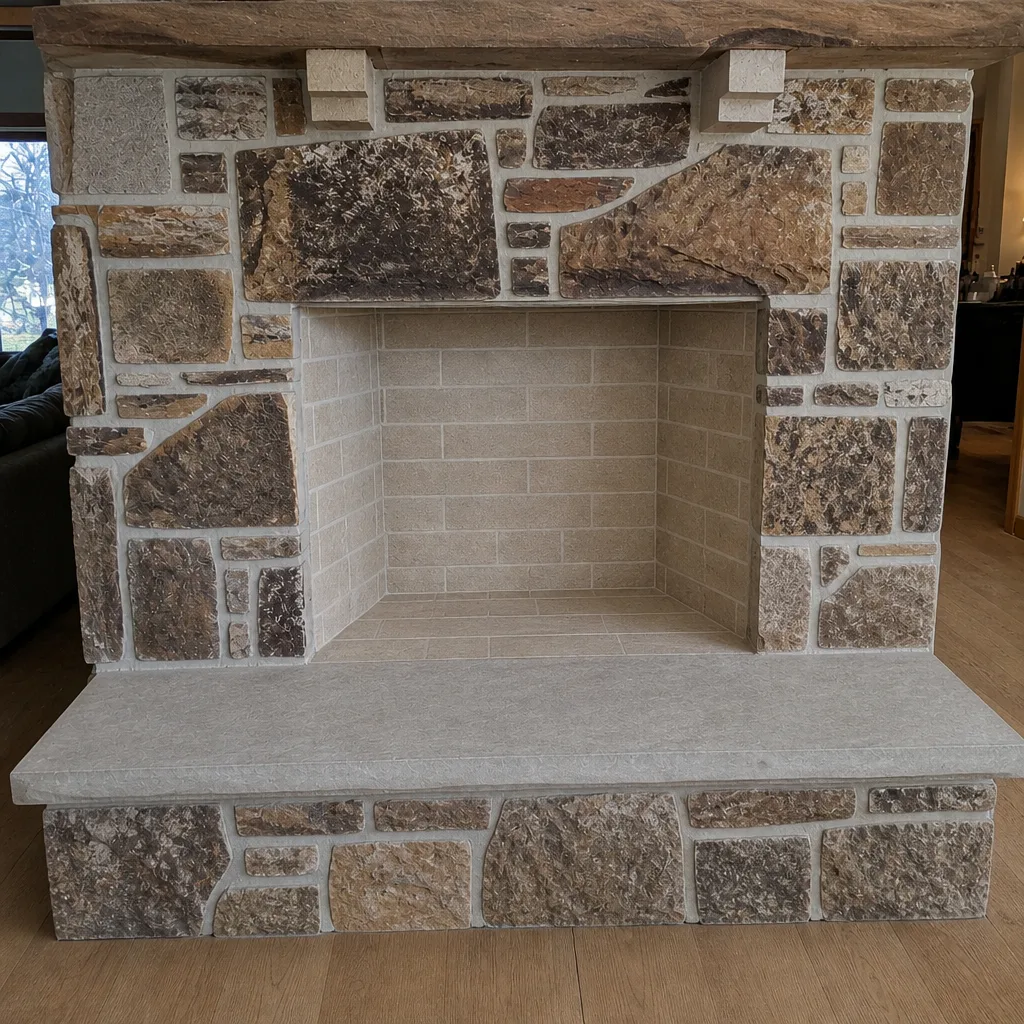
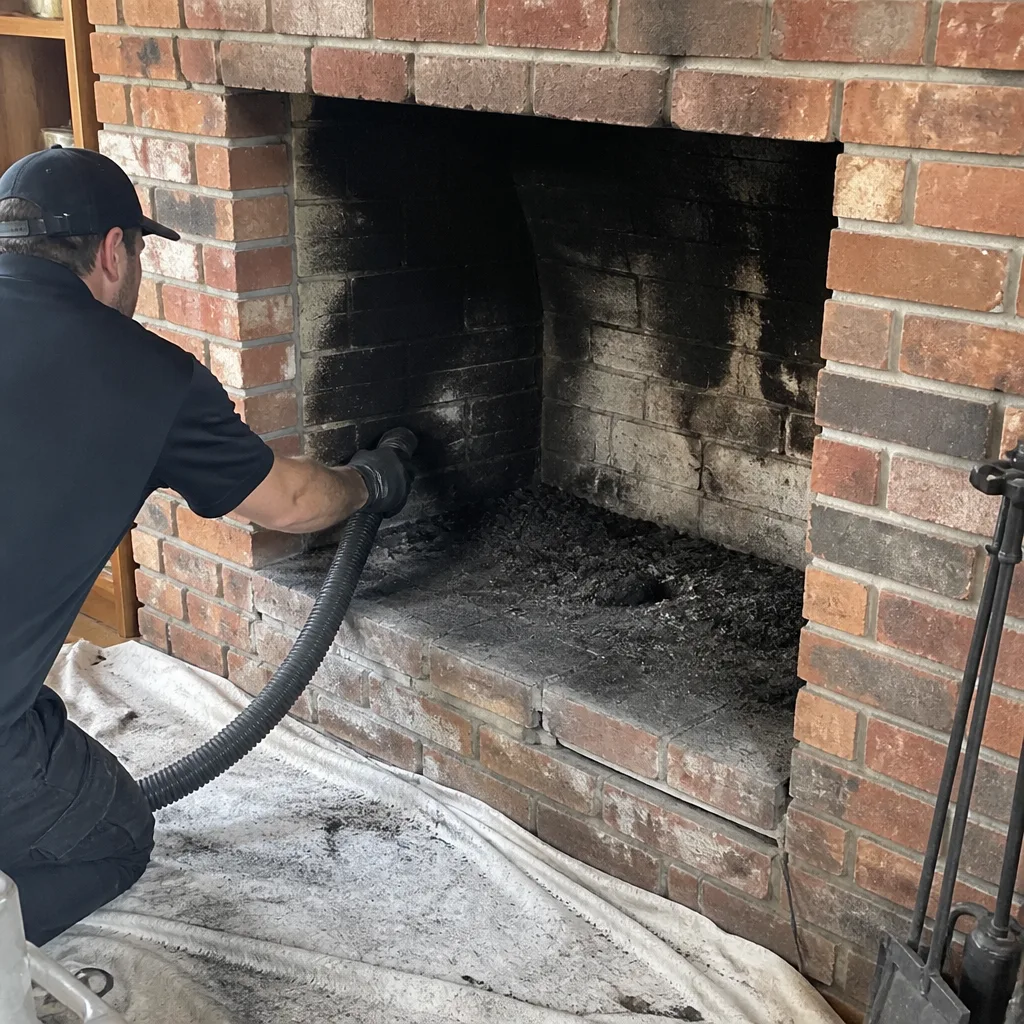
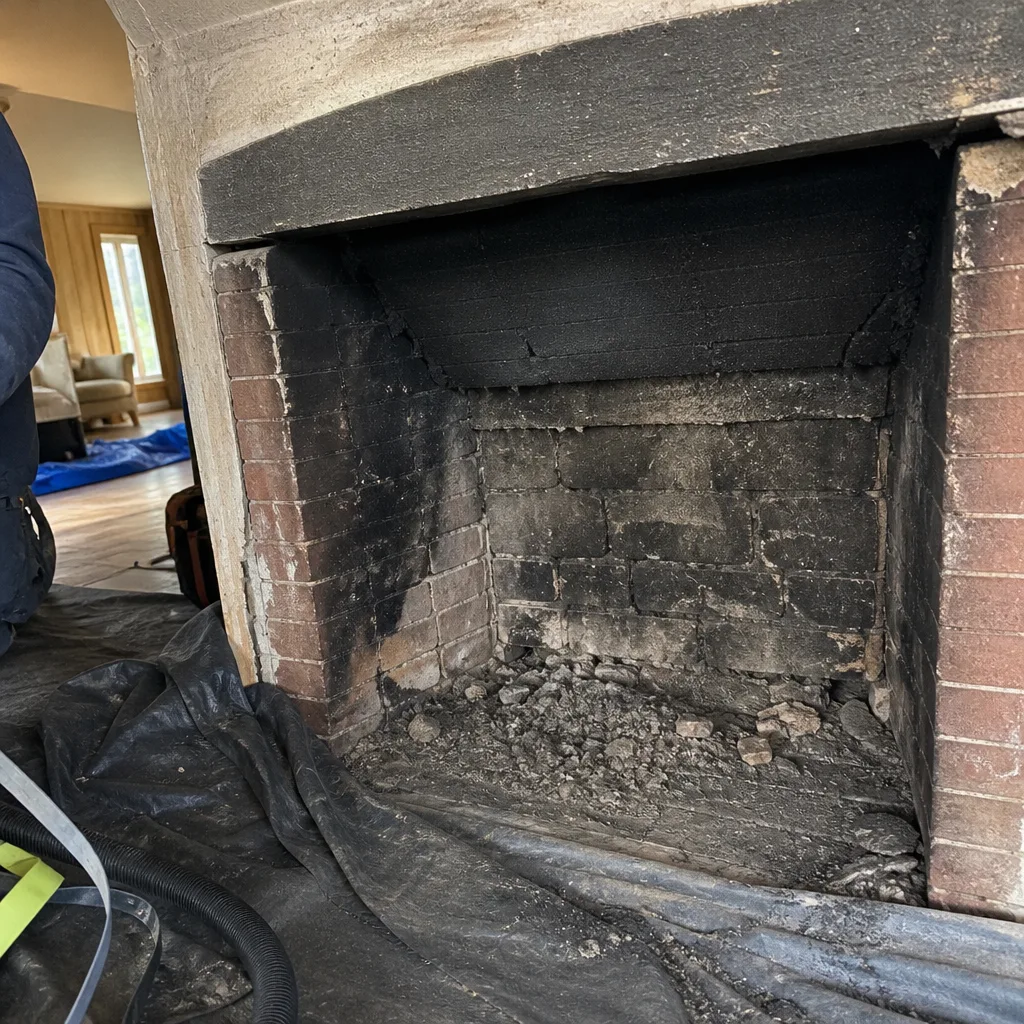 Before
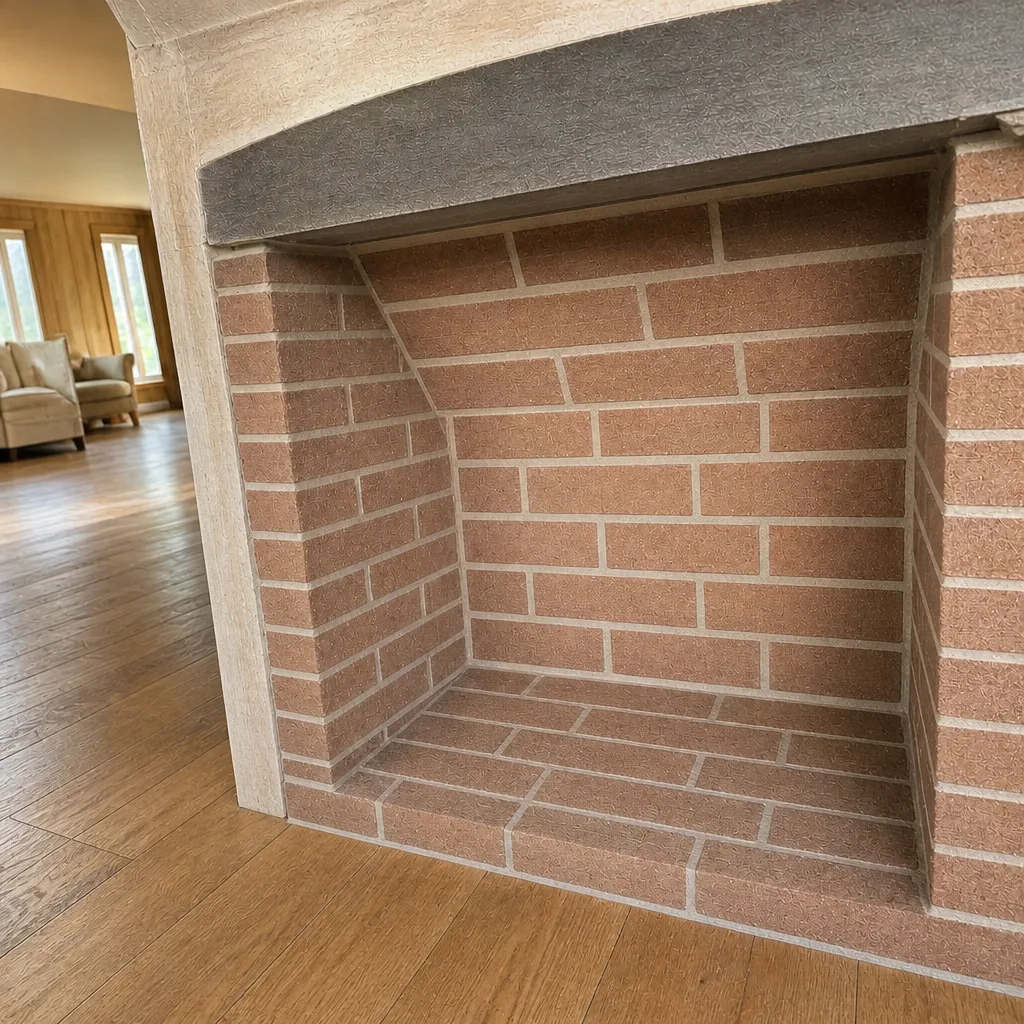 After
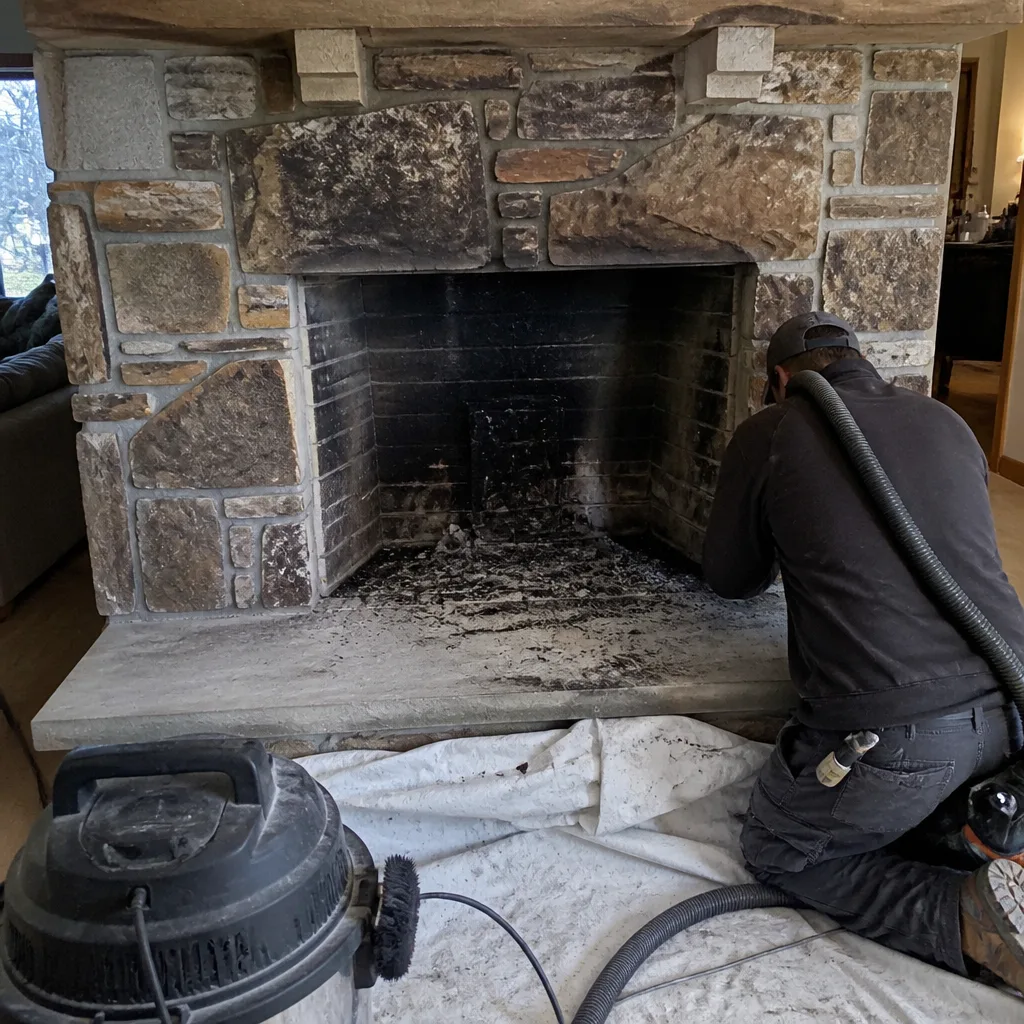 Before
 After
 Before
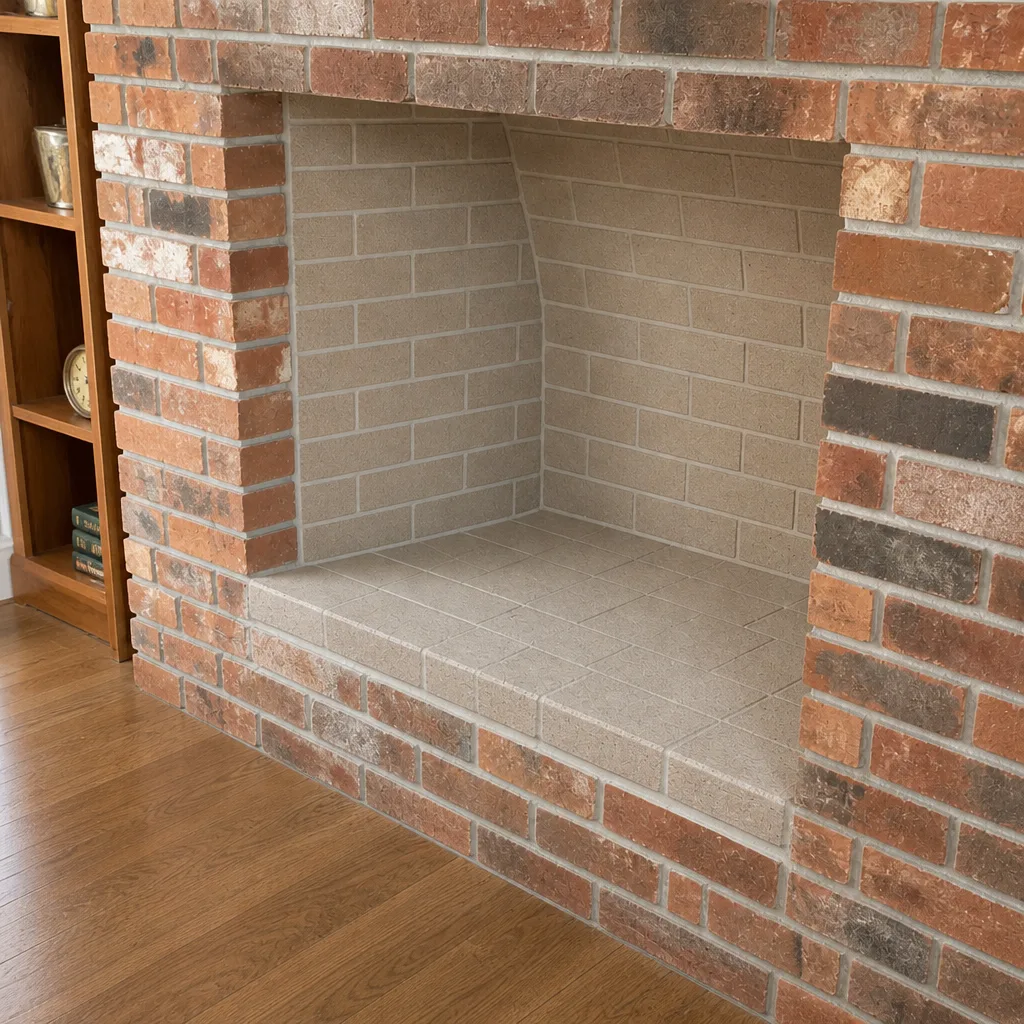 After
When to Call a Professional
Book a professional sweep and inspection if you’ve burned through a full cord of wood since your last cleaning, if you’ve moved into a Highlands home with a fireplace you’ve never had inspected, or if it’s been more than a year since anyone looked at the flue. Call right away if you notice a strong creosote smell in warm weather, a damper that doesn’t open or close smoothly, visible cracks in the firebox, staining on the ceiling near the chimney chase, or a crown that’s chipped, missing, or separating from the flue. Skip the sweep and call a professional if you smell gas, if the firebox has visible damage, or if there’s any sign of smoke backing into the living space.
Chimney Sweep Highlands offers free estimates in Highlands. Call (844) 443-4562. We answer 24/7. Fast dispatch from 7am to 7pm, Sunday through Friday.
Frequently Asked Questions
A cleaning brand is the company name you’re hiring; a chimney company is the actual business performing the work. They’re the same thing in practice, but the useful way to read a “brand” is by the business model behind it: national franchise, regional independent, or solo operator. The model drives everything else: training consistency, material quality, repair capability, and accountability. When you’re comparing chimney cleaning companies in Highlands, compare the models first and the names second.
Neither is automatically better; they trade off different things. Franchises offer standardized process and brand-level training resources, but local execution still varies by the franchise operator, and repair work is often subcontracted. A regional independent like Chimney Sweep Highlands holds the whole system under one roof, so the company that finds a problem fixes it. A locally-owned specialist is generally stronger on repair depth; a franchise is generally stronger on consistency of the basic sweep.
Ask three direct questions on the phone: “Do you install liners in-house?”, “What brand of liner do you install?”, and “If my inspection finds a damaged flue tile, who does the repair?” A company that does the work itself will answer all three with specifics. A company that subcontracts will hedge, name “our partner,” or tell you they’ll “coordinate with a specialist.” Keep looking. A typical job involving a complex or offset flue needs the company that diagnosed it to be the company that installs the fix.
The most recognized credential is CSIA certification from the Chimney Safety Institute of America, which signals an individual passed an exam on codes, standards, and sweeping practice. Beyond that, look for evidence of product-specific training: a company that installs HeatShield, DuraFlex, or Olympia Chimney systems has been trained on those specific products and their installation requirements. Certifications are a baseline, not a finish line; ongoing product training is what tells you the company keeps up. Call (844) 443-4562 for an exact quote on inspection or repair.
Yes, if you ask the right questions. Ask what the inspection covers, whether they use a camera, what brands they install, and whether they do the repairs their inspection finds. A knowledgeable company answers all four directly. A company leaning on marketing language will pivot to pricing or scheduling without answering. The first call is free and it’s your best opportunity to vet trade depth before committing to a visit.
Chimneys fail differently depending on local conditions. In Highlands, cold winters and freeze-thaw cycling stress masonry more than milder climates do, so crowns, mortar joints, and caps take more abuse than they would in a warmer, drier market. A company that works here every week knows what to look for, how the local housing stock ages, and which configurations are common. A company that serves the whole metro from a distance shows up with general knowledge, not local knowledge. That shows in the diagnosis.
The Bottom Line
Choosing a chimney cleaning company in Highlands is really a choice of business model. National franchises bring consistent process and variable execution. Solo operators bring experience and limited repair depth. Regional independents like Chimney Sweep Highlands bring full-system accountability: sweep, inspection, fireplace repair, chimney repair, and cap and crown work under one roof. What separates the best from the rest isn’t price or reviews; it’s trade depth, professional-grade materials like DuraFlex, HeatShield, Gelco, Olympia Chimney, Famco, and Copperfield, an inspection that uses real camera evidence, and a company that will fix what the inspection finds. Ask the questions. Read the report. Book with the company that shows you its work.
Chimney Sweep Highlands provides chimney sweeping, chimney inspection, fireplace repair, chimney repair, and chimney cap and crown installation and replacement. Our technicians have up to 8 years of experience. Call (844) 443-4562 for a free estimate. We answer 24/7. Fast dispatch from 7am to 7pm, Sunday through Friday.
Written by the team at Chimney Sweep Highlands.