
Last updated November 24, 2026
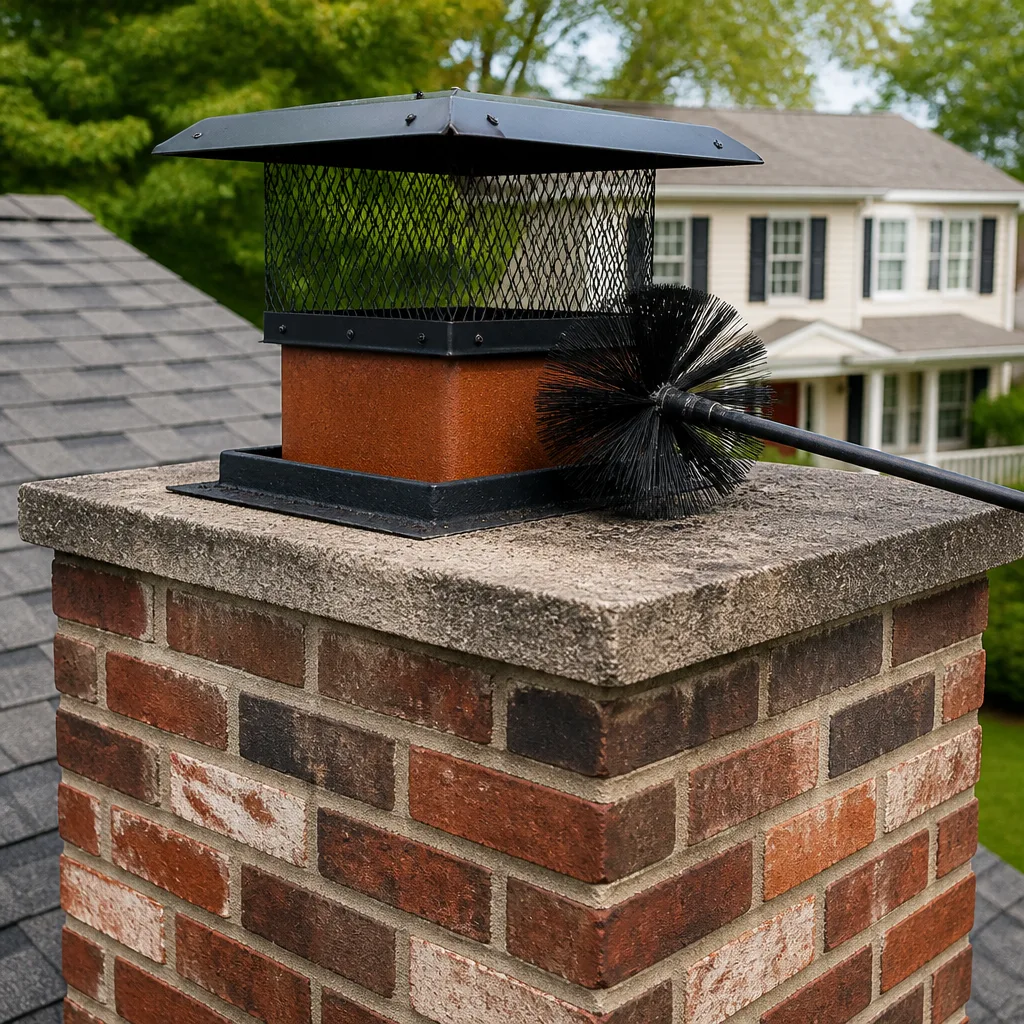 Sweep & inspection
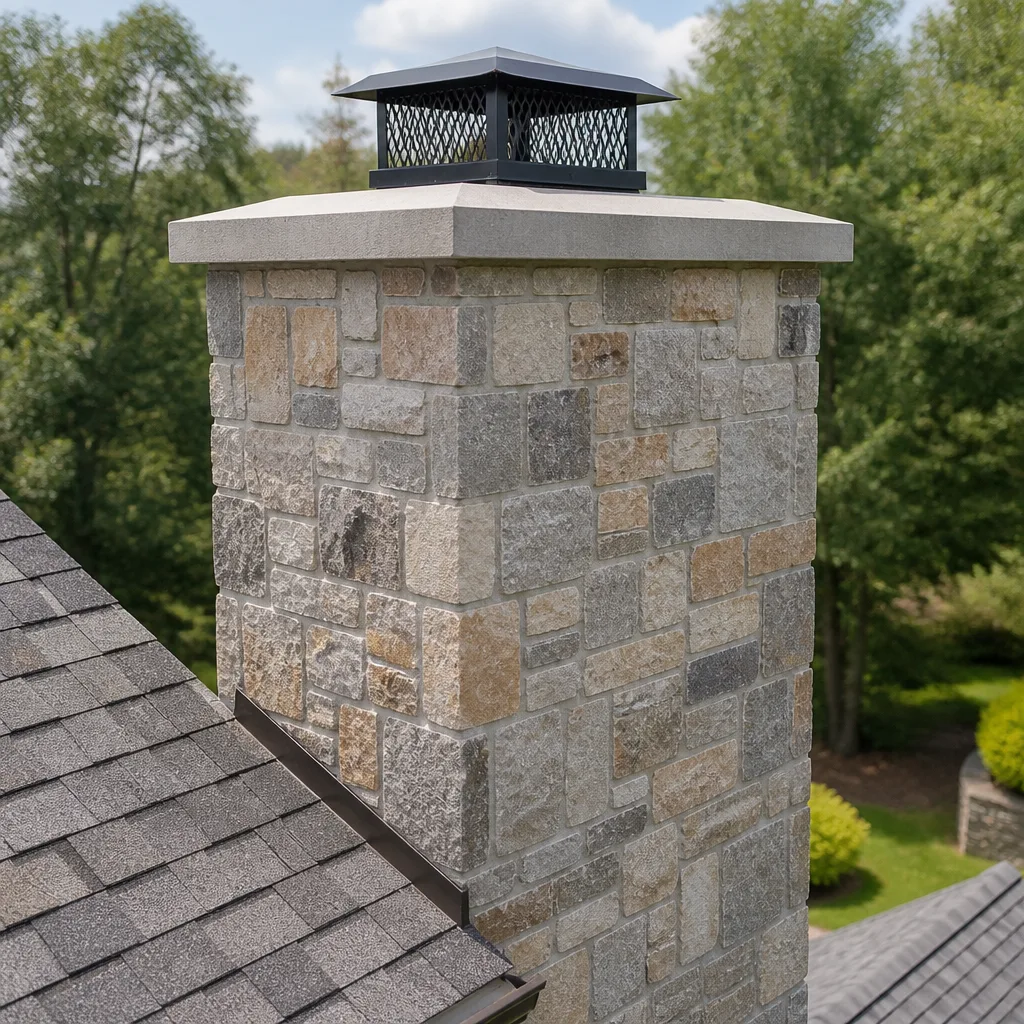 Caps & crowns
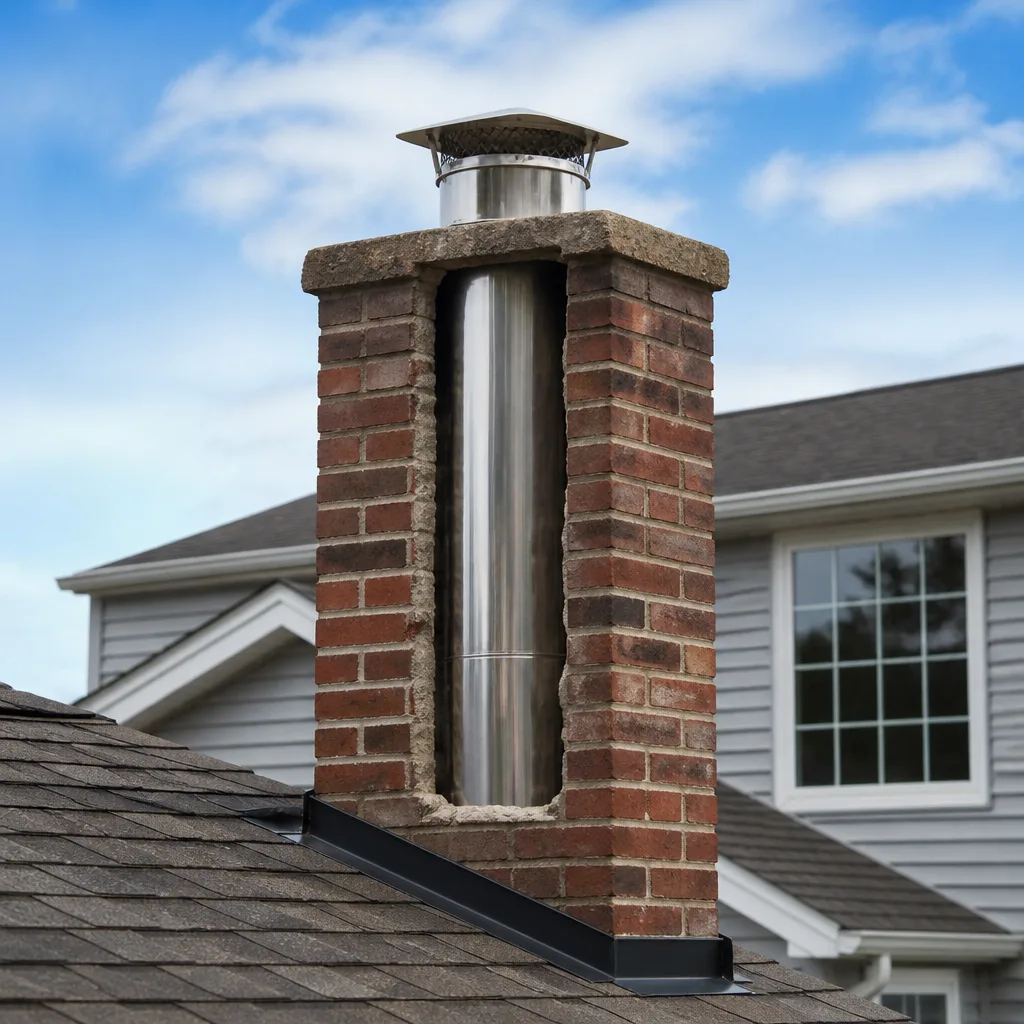 Flue relining
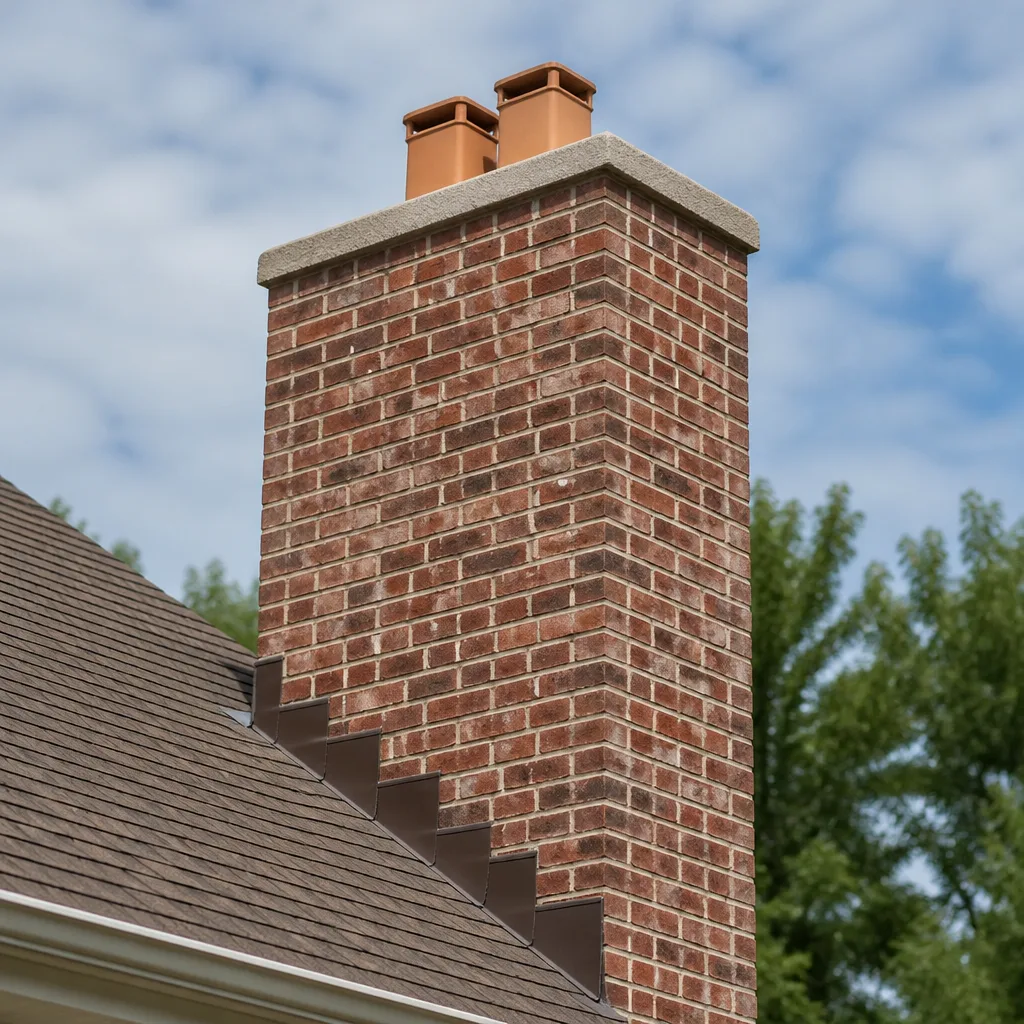 Masonry repair
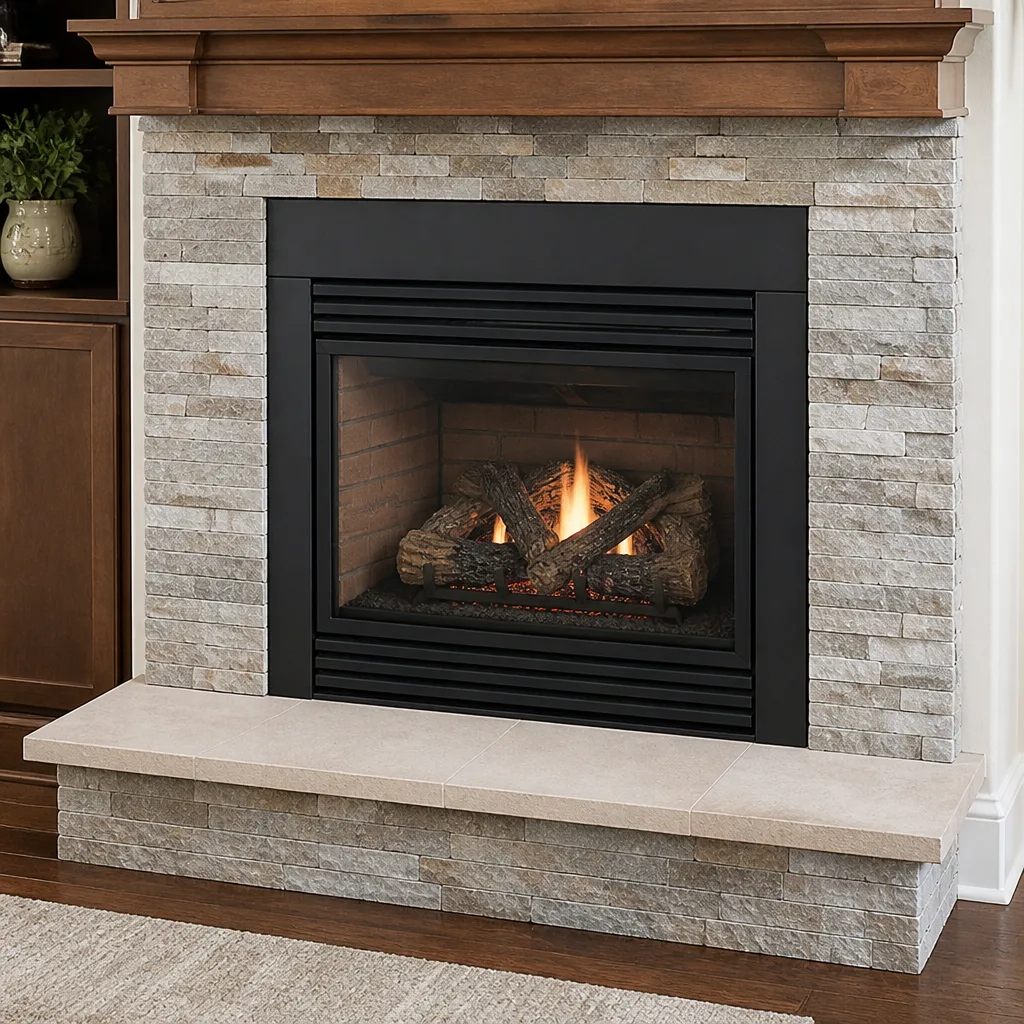 Gas fireplace service
Level 1 sweep and inspection to the NFPA 211 annual standard - flue, crown, cap, and flashing checked and photographed
Chimney sweep logs do not sweep chimneys. They loosen some creosote - which then falls where a brush and vacuum still have to collect it.
How to Hire a Chimney Cleaning Contractor in Highlands: A Step-by-Step Guide
The cheapest chimney cleaning quote in Highlands often comes from someone whose primary trade is something else entirely. A roofer who sweeps on the side. A handyman who added “chimney sweep” to a service list and bought a brush. The price looks like a bargain right up until a cracked liner goes unnoticed or stage 3 creosote gets brushed over instead of properly addressed, and that’s when a routine cleaning turns into your problem. Paying a little less for the sweep can cost far more in what it misses.
This guide walks you through how to hire a chimney cleaning contractor in Highlands the right way. You’ll learn what certification actually means, which questions separate a chimney specialist from a generalist, how to read an inspection report, and what a legitimate job should look like from the first phone call to the written summary. By the end, you’ll know exactly what to look for, and what to walk away from.
Quick Answer
To hire a chimney cleaning contractor in Highlands, verify the company specializes in chimneys rather than offering sweeping as a side service, confirm their certification through the certifying body itself rather than a badge on a website, and insist on a written inspection report backed by photos before anyone recommends repair work. Ask specifically how they assess liner condition and classify creosote. A qualified contractor answers those questions in detail and puts findings in writing; a generalist dodges them.
Styles & brands we work with
- Sweep & inspection
- Caps & crowns
- Flue relining
- Masonry repair
- Gas fireplace service
Table of Contents
- Why a Chimney Specialist Beats a Generalist Handyman
- What CSIA Certification Actually Means and How to Verify It
- Questions to Ask Before You Book
- Why the Inspection Report Matters More Than the Cleaning Receipt
- Evaluating Answers About Liner Condition and Creosote
- What a Legitimate Job Looks Like From First Call to Written Summary
- Red Flags and Green Flags in Contractor Responses
- Common Mistakes to Avoid
Why a Chimney Specialist Beats a Generalist Handyman
A chimney is a system, not a single hole in the roof. It includes the firebox, the damper, the smoke chamber, the flue liner, the crown, and the cap. Each part can fail on its own, and failures in one area affect the others. A generalist handyman who sweeps chimneys as a side offering typically knows how to run a brush through the flue. What they often don’t know is how to read what the brush brings back, or what to look at once the flue is clean.
This distinction matters most in a smaller market like Highlands, where the pool of contractors is limited and the temptation to hire whoever answers the phone is real. A dedicated chimney specialist builds their entire business around this one system. They carry trade-grade materials. They own the equipment to inspect a flue properly. And when something is wrong, they have the skill to fix it rather than referring you elsewhere.
Here’s how to tell the two apart before you book:
- Scope of services. A specialist offers sweeping, inspection, repair, and cap and crown work as a connected set. A generalist usually offers sweeping alone and subcontracts the rest, or walks away from it.
- Specialty equipment. Ask how they inspect the flue. A camera inspection tells you far more than a visual check from the firebox.
- Diagnosis-first approach. A specialist inspects before recommending anything. A generalist tends to sweep and leave, or sweep and upsell without evidence.
- Trade-grade materials. Ask what brands they install. A specialist names professional-grade manufacturers. A generalist buys whatever the supply house stocks.
The difference shows up not in the quote, but in what they catch and what they miss. From the firebox to the crown, a specialist is looking at the whole system. A generalist is looking at the flue and hoping that’s enough.
What CSIA Certification Actually Means and How to Verify It
CSIA certification means a technician has passed a rigorous exam administered by the Chimney Safety Institute of America and has committed to ongoing education and a code of ethics. It is not a badge you buy or a course you take in an afternoon. The exam covers the full chimney system, from drafting and venting to liner materials and inspection standards. A certified technician understands why a chimney fails, not just how to clean it.
That said, a certificate on a website proves nothing on its own. Certifications expire, and some contractors let them lapse while the logo stays up. The only way to know for sure is to verify it yourself.
Here’s the step-by-step:
- Ask the contractor for the name of the certifying body and the technician’s certification status.
- Go to that certifying body’s website directly rather than using a link the contractor provides.
- Search the technician or company in the certifying body’s public directory.
- Confirm the certification is current, not expired.
- If the contractor can’t tell you which body certified them, that’s your answer.
Certification is a credential-adjacent signal in the broader sense: it doesn’t guarantee a perfect job, but the absence of it, or the inability to verify it, is a strong reason to keep looking. We mention this because a homeowner in Highlands shouldn’t have to take anyone’s word for it. Any legitimate contractor will be glad you checked.
Questions to Ask Before You Book
The right questions do two things at once: they get you information, and they reveal how the contractor thinks. A specialist answers with specifics. A generalist gives you generalities. Ask these before you commit to a booking, and pay attention to how comfortable the answers sound.
Start with these:
- Is chimney work your primary trade or a side service? You want a specialist, not a generalist who added it to the list.
- Do you inspect before you recommend repair? The answer should be yes, every time.
- What does your inspection include, and do I get it in writing? You want a written report, not a verbal summary.
- Do you take photos inside the flue? Camera inspection and a photo report are what you should expect.
- How do you classify creosote? There are recognized stages of creosote buildup, and a specialist can explain them to you.
- What brands of liner and cap materials do you install? Trade-grade names like DuraFlex or Olympia Chimney signal professional sourcing.
- Who does the repair if something turns up? You want the same company to handle it, not a referral to a stranger.
- Is the estimate free and in writing? The written estimate should set the final price.
If a contractor gets cagey about any of these, that’s information. A specialist welcomes the questions because the answers are their sales pitch.
Why the Inspection Report Matters More Than the Cleaning Receipt
A cleaning receipt tells you someone ran a brush through your flue. An inspection report tells you the condition of the whole chimney system. That’s the document that actually protects you, and it’s the one a generalist tends to skip. If all you get after the visit is a receipt with a price on it, you have no idea whether your liner is sound, your crown is intact, or your creosote was properly classified.
A proper written inspection report should include:
- The date of the inspection and the name of the technician who performed it.
- The condition of the firebox, damper, smoke chamber, flue, crown, and cap.
- Creosote classification, including where it was found and how severe it is.
- Photo evidence of the findings, especially inside the flue.
- Clear recommendations, with a distinction between what should be addressed now and what can safely wait.
- A written estimate for any recommended work.
A vague report is a warning sign. If it says “chimney in good condition” with no detail, no photos, and no breakdown, you can’t verify anything. That’s exactly how homeowners end up being told they need thousands of dollars of liner or masonry work they have no way to check. Ask for the detail. A contractor with nothing to hide will provide it. This is the inspect-first, recommend-honestly approach, and it should be your minimum standard when you hire someone to sweep in Highlands.
Evaluating Answers About Liner Condition and Creosote
Two topics separate the specialists from the generalists faster than anything else: liner condition and creosote. These are the areas where a missed problem causes the most damage, so the way a contractor talks about them tells you a lot. When you ask about liner condition, you want to hear about the material, the joints, the thickness, and whether there are cracks, gaps, or signs of deterioration. When you ask about creosote, you want to hear about stages of buildup and what each one means for how it should be addressed.
Creosote builds up in layers, and the stages matter because each one behaves differently. A professional can explain the difference between a light dusting that cleans up with a brush and the hardened, glazed deposits that require a different approach altogether. If a contractor answers “we just brush it” without talking about classification, they’re not assessing the situation. They’re just sweeping.
On liner condition, listen for whether they distinguish between a liner that’s sound, one that’s damaged but serviceable, and one that needs replacement. The ability to resurface a deteriorating flue with a system like HeatShield is a credential-adjacent skill, and not every company can do it. That’s often where you’ll hear the difference between a sweep-only operation and a full-service specialist: the specialist can tell you whether resurfacing is an option, whether a flexible liner replacement with something like DuraFlex makes sense for an offset or complex flue, or whether there’s genuinely nothing to worry about. Notice the word “nothing.” A specialist is willing to tell you when work can safely wait.
What a Legitimate Job Looks Like From First Call to Written Summary
A legitimate chimney cleaning job follows a predictable arc. Knowing it helps you spot when something’s off. Here’s the step-by-step of how a professional job should go when you hire a chimney contractor in Highlands.
- First call. You describe the situation and get clear answers about what the visit includes and whether the estimate is free. You’re told what to expect, not rushed off the phone.
- Booking. A flat price for the sweep is agreed before anyone arrives, so there are no surprises on the day.
- Arrival and setup. The work area is protected. Drop cloths go down. The technician explains what will happen before starting.
- Inspection first. Before sweeping, the technician inspects the firebox, damper, and flue, then sweeps, then inspects again with a camera to see the whole flue. The inspection is the point, not the cleaning.
- Findings explained. You’re walked through what was found, shown the photos, and told what it means in plain terms.
- Written summary. You receive a written report with recommendations and a written estimate for anything that needs doing.
- Honest closeout. If nothing needs doing beyond routine cleaning, you’re told that. If repair is needed, the same company can handle it, from the firebox to the crown.
Red flags across this process: a price that changes on arrival, no inspection offered, no photos, a recommendation that comes before any diagnostic work, or a report that names no specifics. Green flags: a technician who inspects before recommending, who shows you the evidence, and who tells you when work can wait. One crew, one call should carry you from sweep to inspection to repair without a referral runaround.
Red Flags and Green Flags in Contractor Responses
You don’t need years of experience to read a contractor’s response. You just need to know what to listen for. The patterns below show up again and again, and they’re reliable.
Red flags:
- They can’t or won’t name the certifying body, or they dodge when you ask to verify.
- Sweeping is one item on a long list of unrelated handyman services.
- They recommend liner replacement or masonry work without a camera inspection or photos.
- The inspection report is vague: no breakdown, no creosote classification, no photos.
- The final price doesn’t match the quote agreed before the visit.
- They pressure you to decide on repair work on the spot.
- They can’t tell you what brands of liner or cap materials they’d install.
Green flags:
- They specialize in chimneys and say so plainly.
- They offer inspection as a standalone service, and they lead with the diagnosis.
- They show you photos and explain what they found in plain terms.
- They tell you what can safely wait.
- They name trade-grade materials like a Famco cap or a Copperfield component and explain why.
- They put the findings in writing and stand behind the estimate.
Same visit, same crew, same accountability. That’s the pattern you want when you hire a chimney cleaning contractor in Highlands.
Common Mistakes to Avoid
- Hiring on price alone. The cheapest sweep in Highlands is often the least thorough, and the money you save is easily eaten up by a missed liner crack. A slightly higher price for a proper inspection is the safer trade.
- Not verifying certification. A badge on a website is not verification. Check the certifying body’s directory yourself, because a lapsed certification still looks like a current one on a page.
- Skipping the inspection report. A receipt is not a report. If you don’t get a written summary with photos and a creosote classification, you have no idea what condition your chimney is in.
- Accepting a verbal recommendation. If someone tells you your liner is shot but won’t show you the photos or put the finding in writing, don’t act on it. You can’t verify a claim you can’t see.
- Ignoring the crown and cap. These are the most overlooked parts of the chimney, and they’re where water gets in. A contractor who treats them as an afterthought is missing a major failure point.
- Assuming a handyman is a sweep. Sweeping as a side service means the inspection, diagnosis, and repair don’t come with it. You’ll be back to square one when something turns up.
- Not asking about brand and material. When repair is needed, the materials matter. Ask what goes in, and expect a professional-grade answer rather than a generic one.
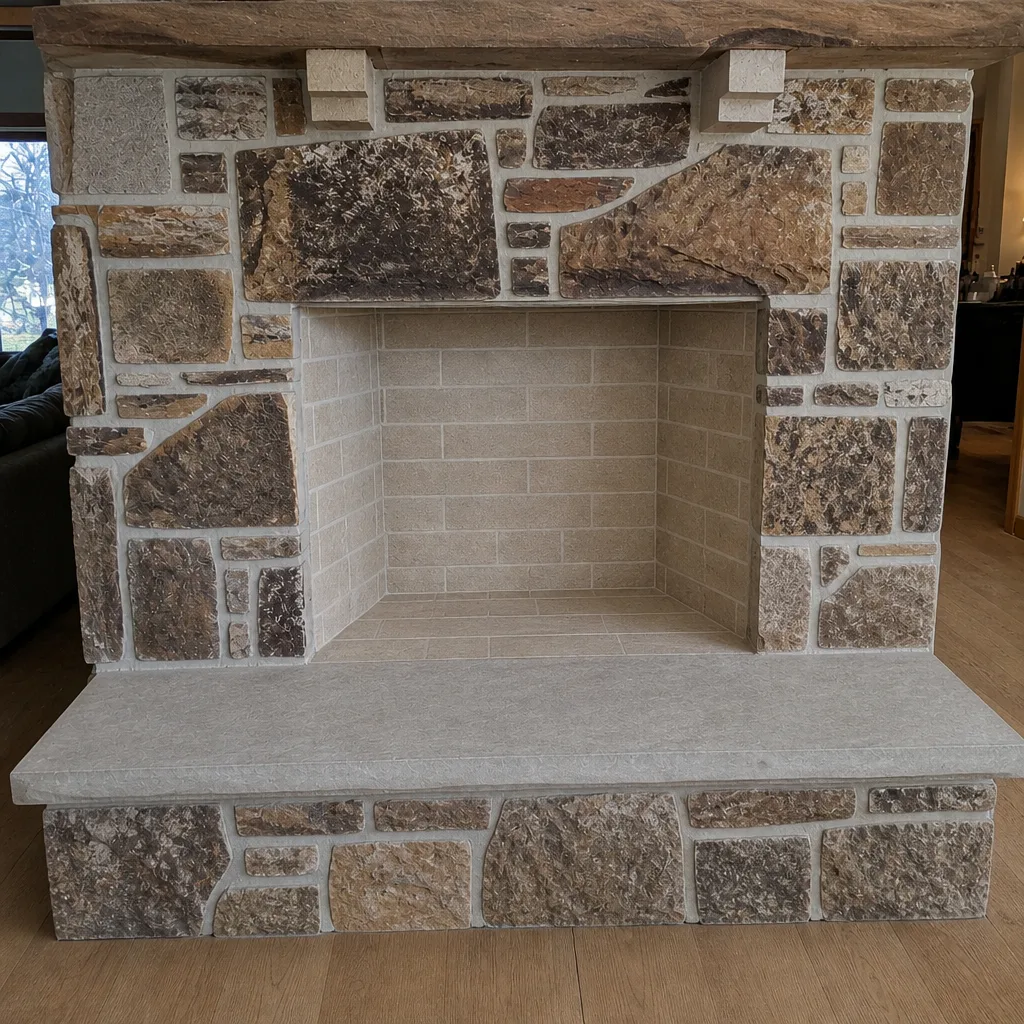
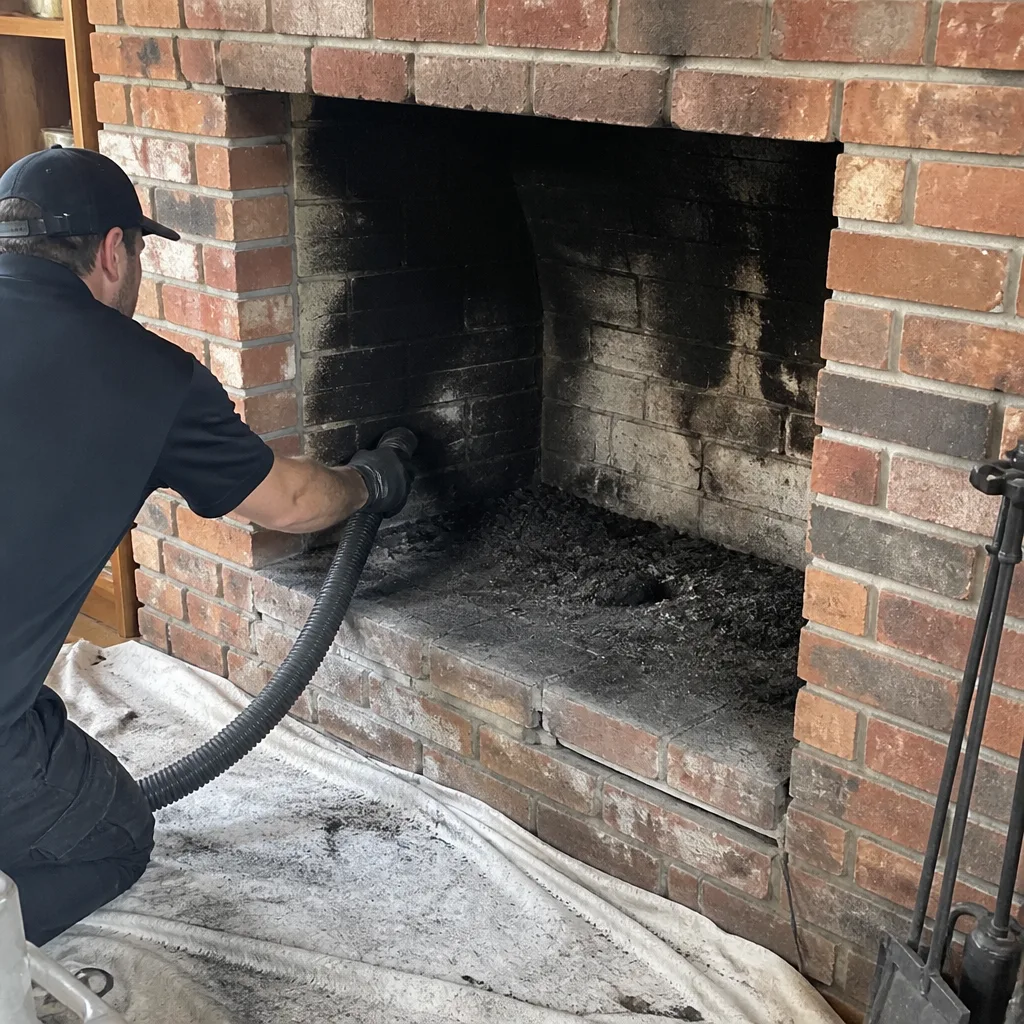
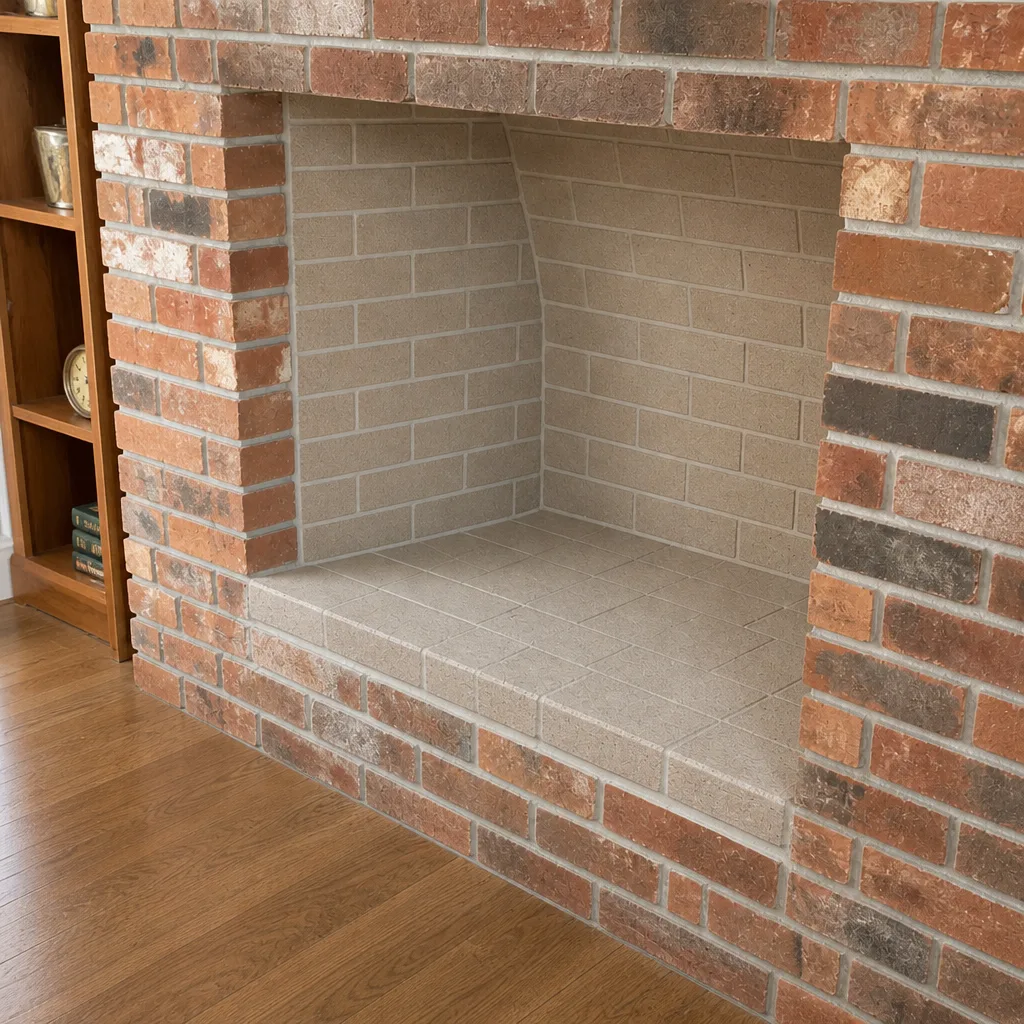
See the difference
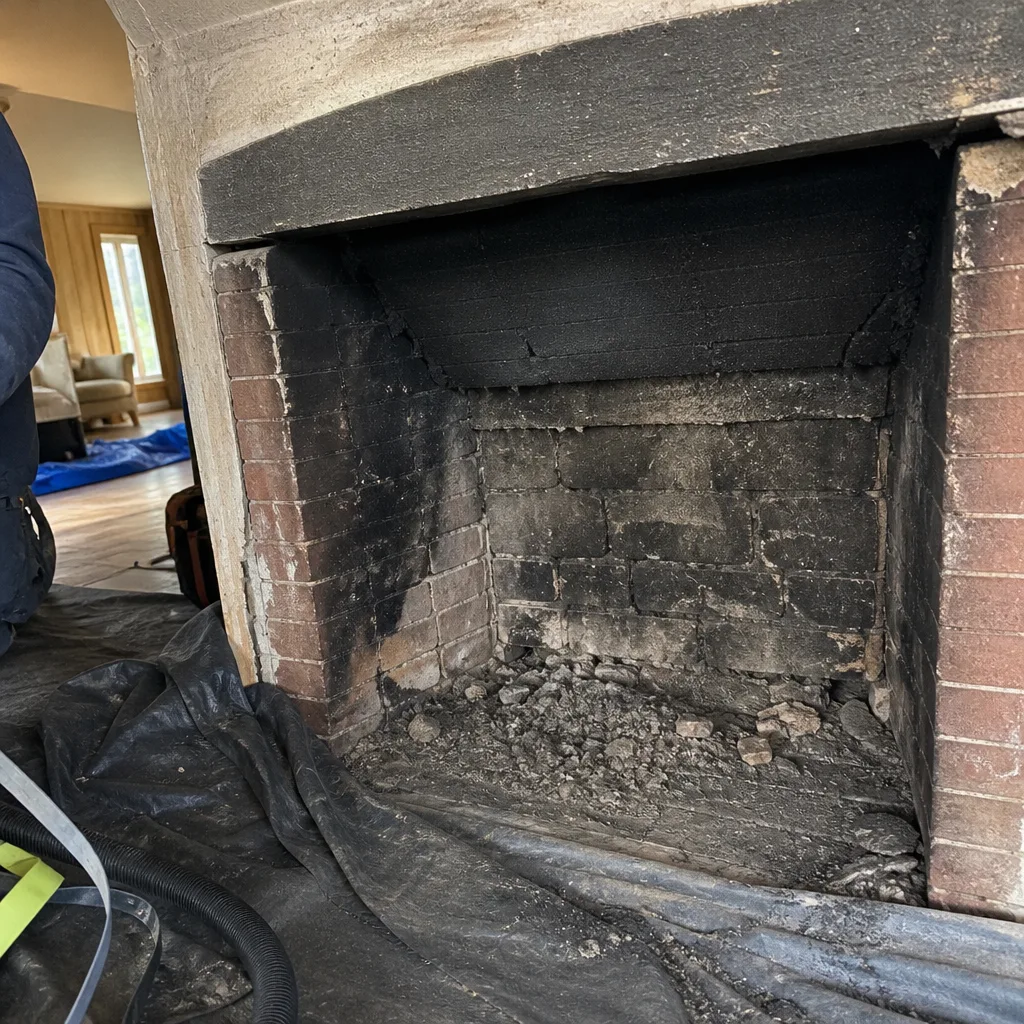 Before
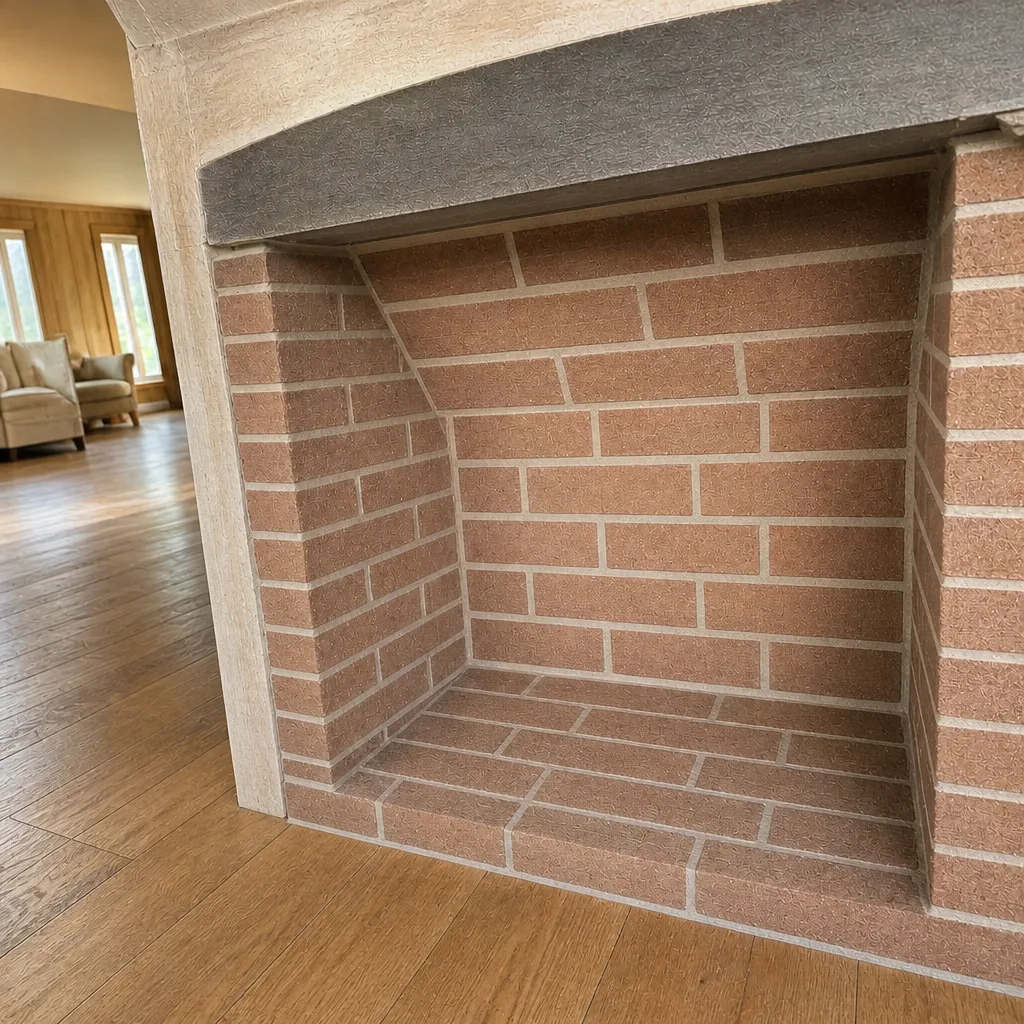 After
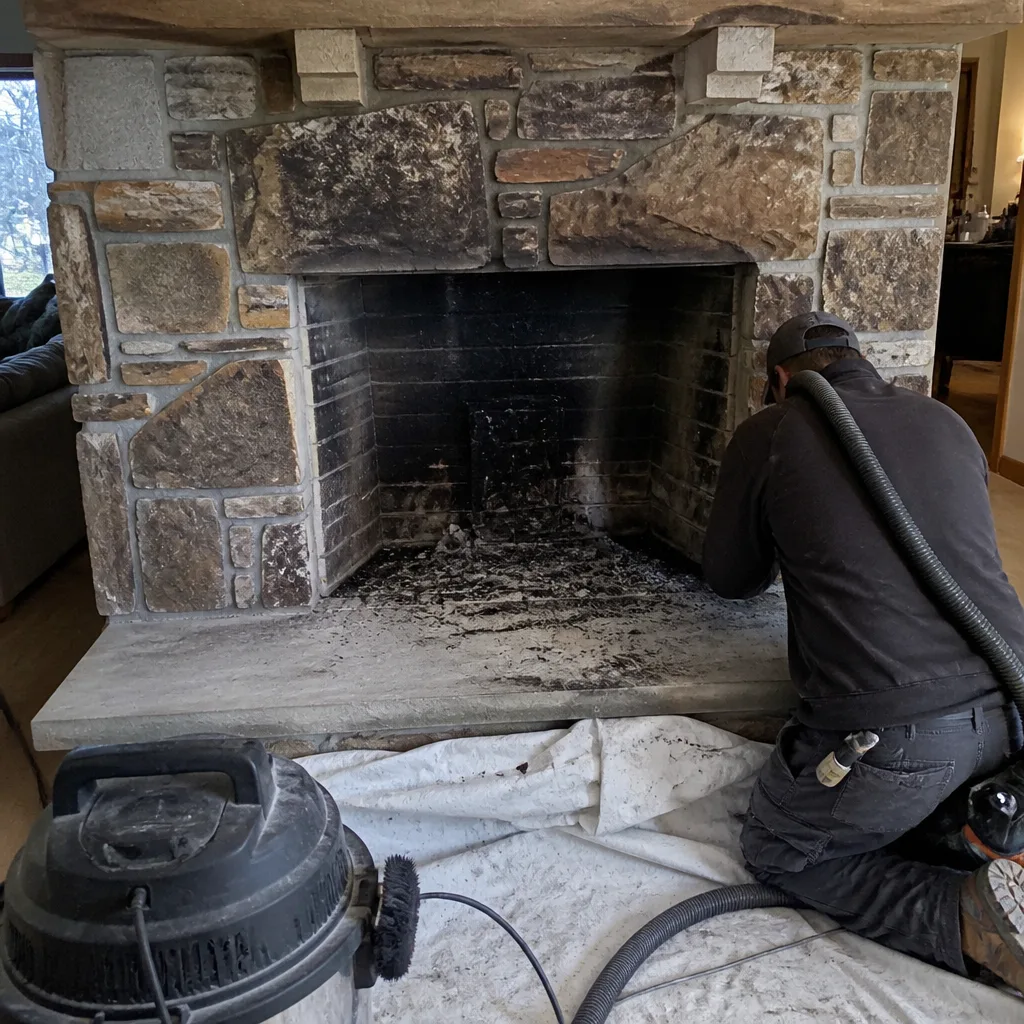 Before
 After
 Before
 After
When to Call a Professional
Call a professional when you can’t see the flue yourself, when you’re hearing or smelling something you can’t explain, or when it’s simply been long enough that you’re guessing. Some scenarios in Highlands come up often: the first cold snap of the season reveals a draft that wasn’t there before, a smoky fire that never quite draws right, a damper that won’t close, or visible creosote at the top of the firebox. Each of these is a reason to get a professional evaluation, not a reason to run a brush through it yourself.
Creosote buildup and carbon monoxide risk are the two things a cleaning and inspection catch that you cannot reliably catch from the living room. If you’re unsure whether it’s time, a single call settles it. Chimney Sweep Highlands offers free estimates in Highlands, and you can reach us at (844) 443-4562. We answer 24/7.
Frequently Asked Questions
Chimney cleaning in Highlands is priced per job, and the written estimate sets the final price. We give you a flat price for the sweep agreed before the booking, so you know the number before anyone arrives. Estimates are free, so the simplest way to get an exact figure is to describe your chimney and get a written quote. Call (844) 443-4562 for an exact quote; estimates are free.
Once a year is the standard benchmark for a fireplace you actually use, and more often if you burn heavily. The right interval depends on how much you burn, what you burn, and what your inspection turns up. If it’s been a year or more, book an inspection and let the findings set the schedule. Call (844) 443-4562 for an exact quote; estimates are free.
Often you don’t, and a proper inspection will tell you whether you do. A liner is only replaced when there’s genuine evidence of cracks, gaps, or deterioration that resurfacing can’t address, and you should see the photos before anyone recommends it. If resurfacing with a system like HeatShield can extend the life of your existing flue, a specialist will tell you that first. Call (844) 443-4562 for an exact quote; estimates are free.
Skipping a cleaning lets creosote accumulate, and heavy creosote is what feeds a chimney fire. A blocked or damaged flue also raises the risk of carbon monoxide backing into the home, which is invisible and odorless. These aren’t hypothetical concerns; they’re the two reasons chimney maintenance exists. Call (844) 443-4562 for an exact quote; estimates are free.
Ask the contractor which body certified them and for their certification status, then search that body’s public directory yourself. Don’t rely on a link they send; go to the source directly and confirm the certification is current. If they can’t tell you who certified them, that’s a clear signal. Call (844) 443-4562 for an exact quote; estimates are free.
Yes, and that’s the way it should work. When one company handles inspection, sweep, diagnosis, cap and crown, and repair, the findings don’t get lost in a handoff. At Chimney Sweep Highlands, we handle it from the firebox to the crown with trade-grade materials from brands like DuraFlex, Olympia Chimney, and Famco. Call (844) 443-4562 for an exact quote; estimates are free.
Ask how the technician classifies creosote and where the buildup is. There are recognized stages, and the stage determines how the deposit should be addressed. A professional explains the classification and shows you the evidence, rather than just telling you it was swept. Call (844) 443-4562 for an exact quote; estimates are free.
Yes. We give free estimates and put the findings and recommendations in writing, with photos so you can see what we see. You can contact us for a free estimate, and the written estimate sets the final price. Call (844) 443-4562 for an exact quote; estimates are free.
The Bottom Line
Hiring a chimney cleaning contractor in Highlands comes down to a few things. Verify certification through the certifying body, not a badge on a website. Choose a specialist who inspects before recommending anything, and insist on a written report with photos. Ask how they classify creosote and assess liner condition, and pay attention to whether they tell you what can safely wait. A generalist will quote you a lower price and miss what a specialist catches; the difference shows up in the inspection, not the receipt. From the firebox to the crown, the right company handles the whole system with trade-grade materials and one crew you can hold accountable. If you’re ready for a proper inspection and a straight answer, reach out and we’ll set it up.
To get started, contact Chimney Sweep Highlands for a free estimate. Call (844) 443-4562. We answer 24/7. Fast dispatch from 7am to 7pm, Sunday through Friday.
Written by the team at Chimney Sweep Highlands.