
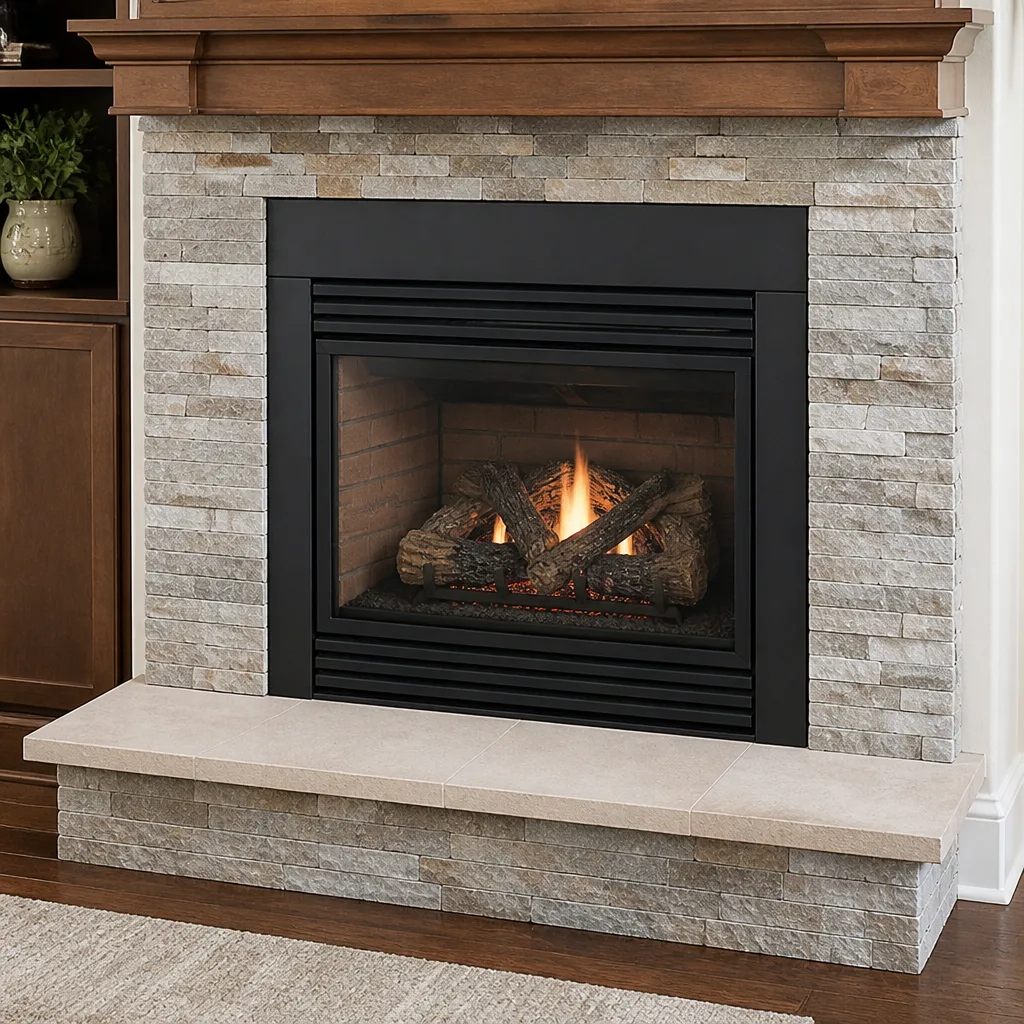
 Gas fireplace service
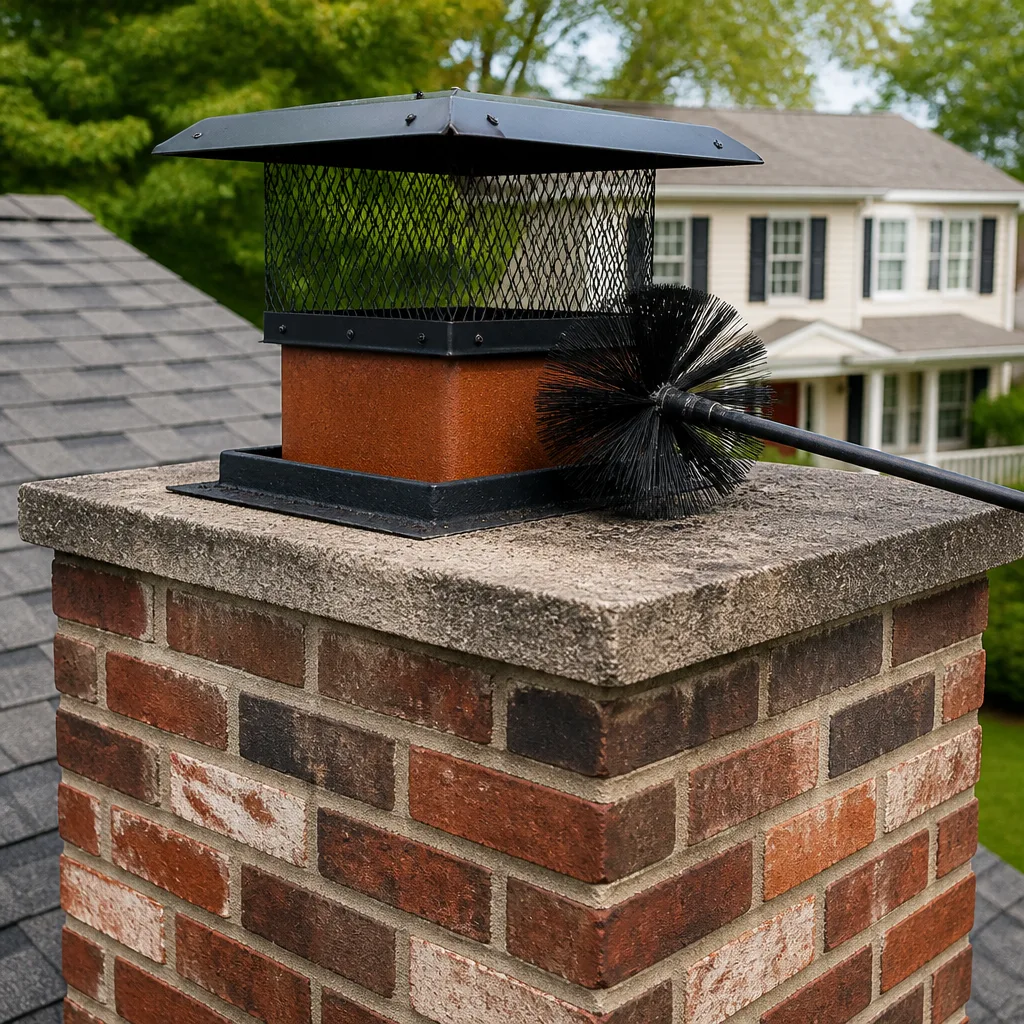 Sweep & inspection
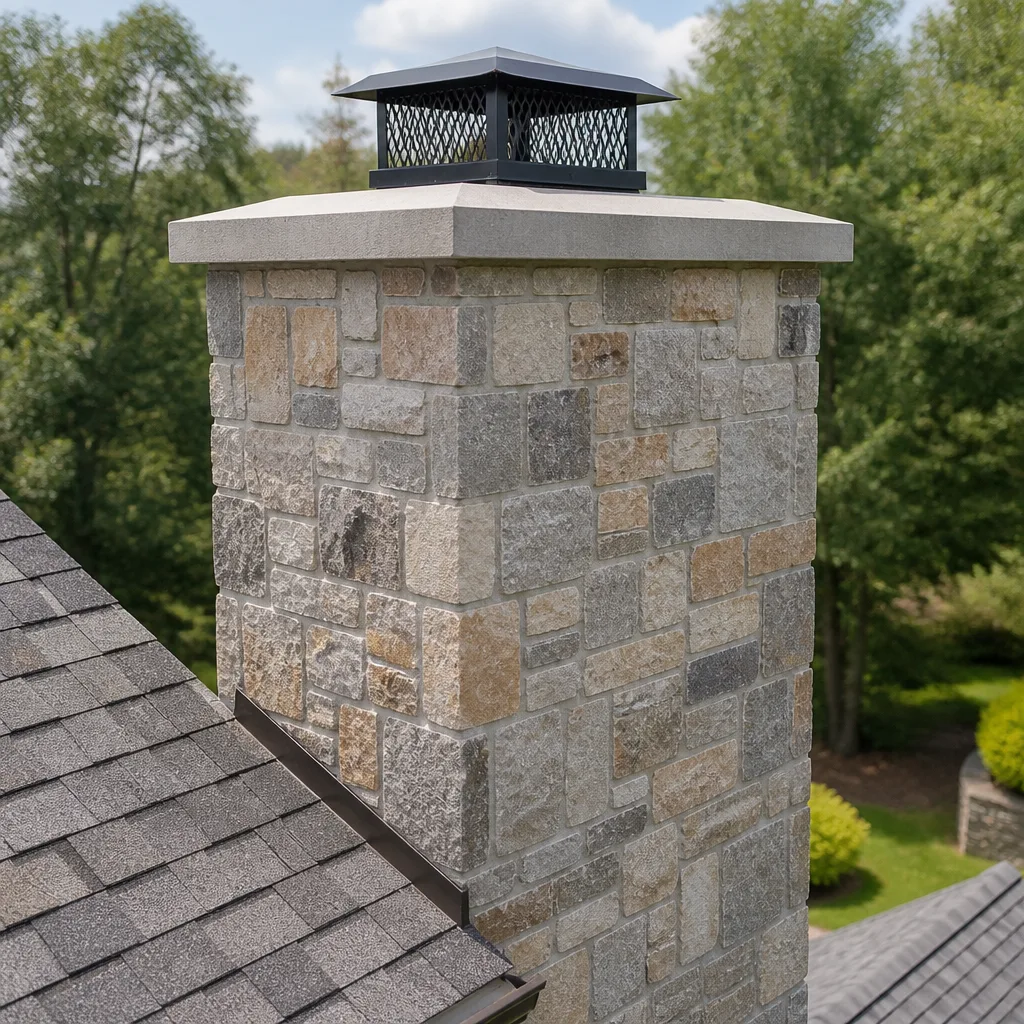 Caps & crowns
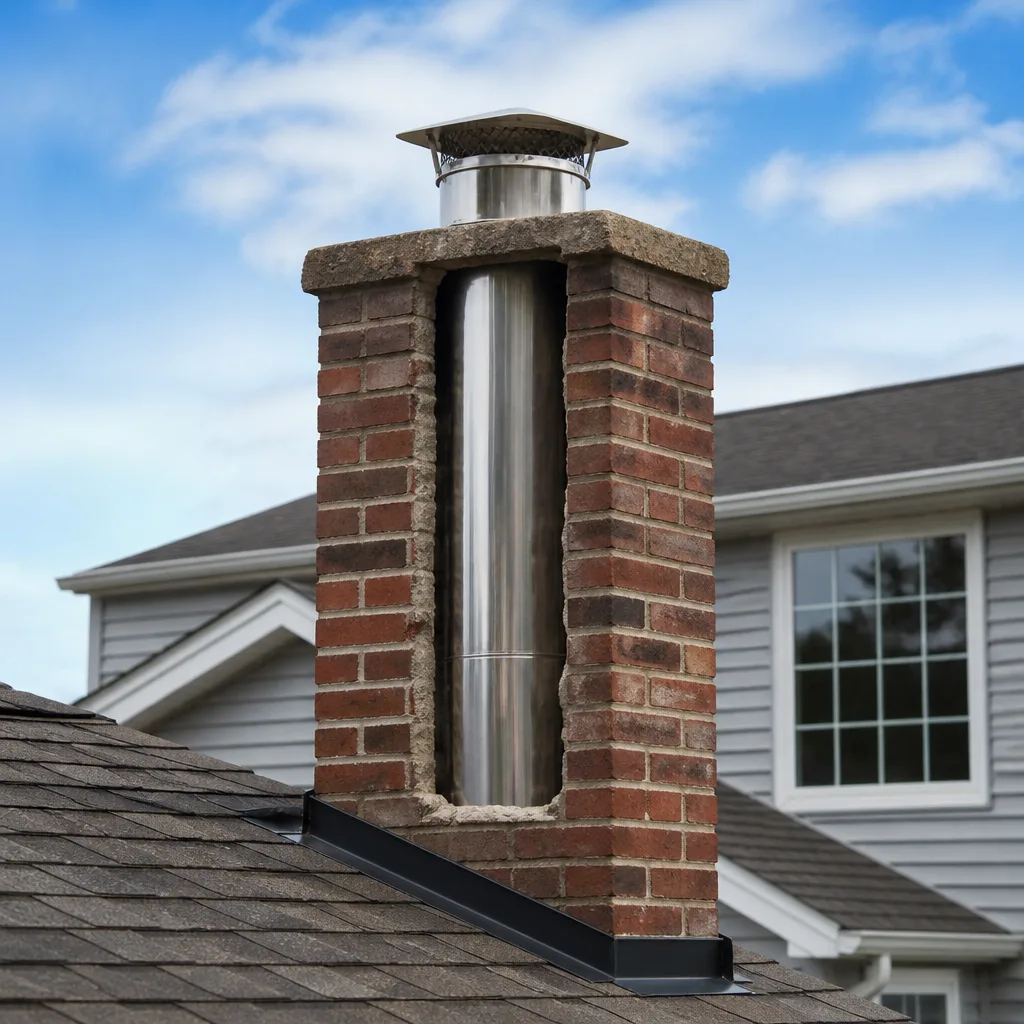 Flue relining
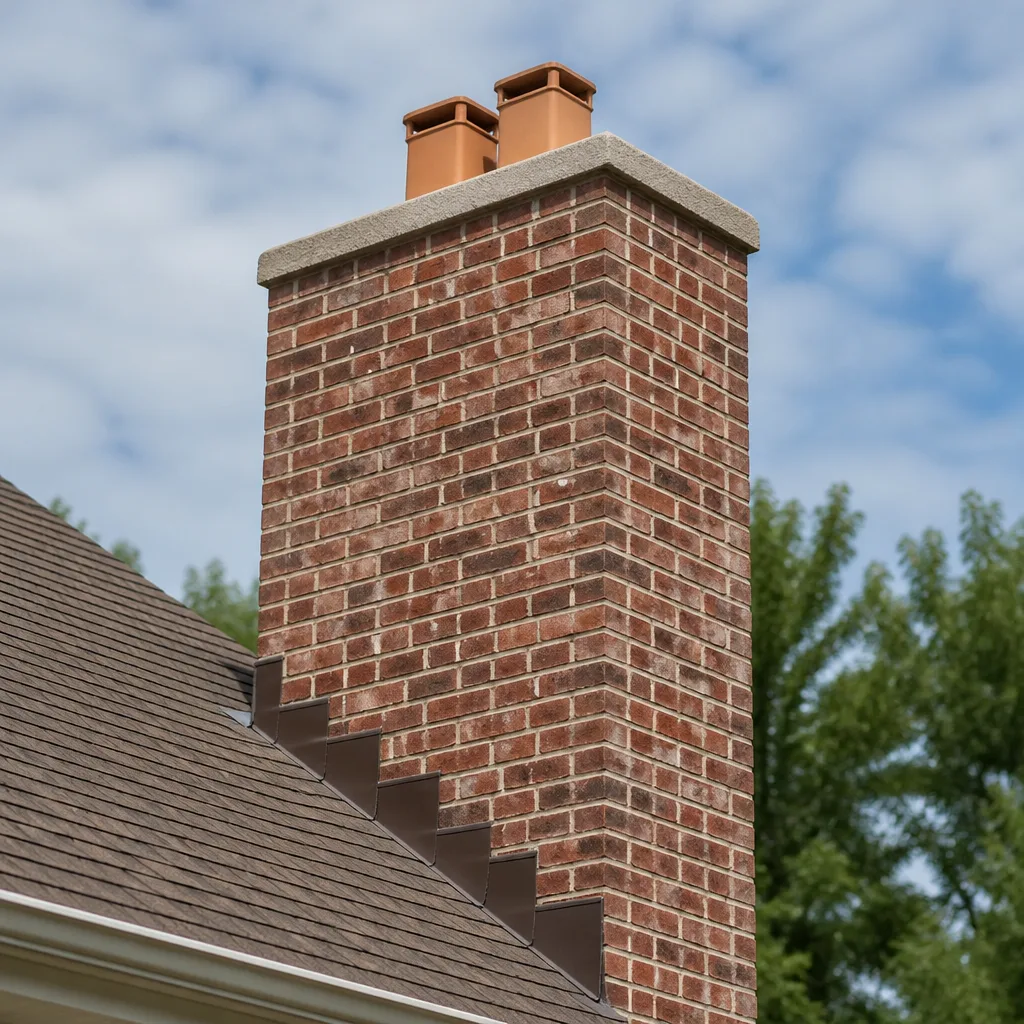 Masonry repair
Level 1 sweep and inspection to the NFPA 211 annual standard - flue, crown, cap, and flashing checked and photographed
Chimney sweep logs do not sweep chimneys. They loosen some creosote - which then falls where a brush and vacuum still have to collect it.
Why Highlands Homeowners Choose HeatShield Chimney Cleaning
We provide independent HeatShield chimney cleaning service in Highlands, CO: Level 2 inspection, careful creosote removal, and ceramic-glaze touch-up work on flues lined with HeatShield. What makes our work different is that we treat the glaze as a surface that can be damaged by careless sweeping, not as a clay tile. We’re an independent HeatShield service provider. We are not authorized, sponsored or endorsed by HeatShield, and we don’t claim to be. We simply know the product well enough to inspect, clean and maintain a HeatShield-lined flue without harming it. Our technicians have up to 8 years of experience, and every visit starts with a camera inspection and a written report before anyone quotes work. Call (844) 443-4562 for a free estimate.
Why Trust Chimney Sweep Highlands for Your HeatShield Chimney Cleaning?
Most chimney sweeps in Highlands never touch a HeatShield lining. Ceramic resurfacing is a specialized repair, and a sweep-only outfit either subcontracts it or walks away from the job. That’s the gap we fill.
Our technicians train specifically on HeatShield’s application method, including the priming step that decides whether the ceramic actually bonds to the original clay, and the mix ratios that matter on exterior flues. We know that HeatShield Ceramic Glaze and HeatShield InsulMix are mixed differently for different chimneys, and that applying the wrong one is worse than not applying it at all. We read the flue before we touch it: a camera run shows whether the glaze is sound, spalled, or debonded, and that determines whether a sweep is safe.
We use quality parts that fit HeatShield equipment. When a section needs re-coating, we reach for the product the lining was built around, because generic refractory cement is not a substitute and won’t hold on a HeatShield surface. And we work warranty-safe: nothing in our process removes or grinds the glaze in a way that would leave a homeowner with a failed liner and no recourse. We handle Level 2 Inspection, Creosote Removal and Crown Repair as dedicated services, so the water source that ruins most HeatShield linings gets fixed rather than ignored. From the firebox to the crown, one crew, one call.
Styles & brands we work with
- Sweep & inspection
- Caps & crowns
- Flue relining
- Masonry repair
- Gas fireplace service
Common HeatShield Chimney Cleaning Problems We Fix in Highlands
Highlands is a high-wind corridor along the Front Range foothills, and the combination of intense wind-driven downdrafts and heavy wood-burning shapes almost everything we find in a HeatShield flue here. Extended burn seasons push more creosote through a lining, and freeze-thaw cycles at this elevation work on it from the outside. These are the problems that show up most:
- Glaze spalling at the flue collar. The HeatShield layer meets the first clay tile at a joint that takes the most heat and the most movement. When it flakes or chips there, the usual cause is water: a cracked crown or failed flashing lets moisture migrate behind the glaze, and freeze-thaw pushes it off. Homeowners often spot it as chalky flakes on the firebox floor before they ever see the crown.
- Hairline cracking along the length of the lining. Small vertical cracks that run with the flue rather than across it usually point to thermal shock. Either the fireplace kept getting used after a chimney fire, or unseasoned wood drove repeated spikes and drops in temperature. A camera inspection is the only honest way to tell a surface crack from one that goes through.
- Debonding from the original clay tile. This one is silent until it isn’t. If the primer was skipped, or applied over a sooty surface, the ceramic never locked onto the tile. A technician tapping the lining hears hollow sections, and the camera shows a shadow line behind the glaze. No cleaning schedule catches it; only a Level 2 inspection does.
- Rounded or eroded glaze at the top of the flue. Years of cap-less exposure to freeze-thaw and flue-gas condensation round off the top of the lining. Enough of that and the remaining thickness falls below the manufacturer’s specified minimum. This is the failure mode that quietly turns a maintenance question into a reline question.
- Creosote packed into an offset smoke chamber. Many older Highlands homes have clay-tile flues with offset smoke chambers where creosote accumulates faster than in a straight run. On a HeatShield lining, that means rotary sweeping has to go gently. A stiff rotary head run hard against a glaze will abrade it, and the homeowner never knows until the next inspection.
HeatShield Parts & Our Repair-vs-Replace Approach
HeatShield repairs should use genuine HeatShield materials, because the mix ratios and the application thickness are what make the finished lining code-compliant. We don’t cut that corner and we don’t claim we keep OEM parts sitting on a shelf. What we do is specify the right HeatShield product for your flue, source it, and apply it to spec.
Repair versus replace comes down to how much of the lining has actually failed. A single spalled section at the collar, with sound glaze below it, is a repair: strip the loose material, fix the crown, re-coat. Once the glaze has spalled across roughly a third of its surface, or bond has been lost over multiple sections, we’ll tell you plainly that a full reline is the better spend. Patch work over a failing glaze rarely holds, and charging for it twice is not a favor. Built to last, not patched to pass. If you’re weighing that call on your own chimney, call (844) 443-4562 and we’ll put a camera on it.
Our HeatShield Service Process – Step by Step
- 1
Diagnosis. A Level 2 inspection with a camera runs the full flue: glaze condition, bond to the tile, crown, flashing, and the smoke chamber. We photograph what we find, because you should see the reason for any recommendation yourself rather than take our word for it.
- 2
Creosote removal. Sweeping comes before any repair. Adhesion on a HeatShield surface depends on what’s underneath it, so soot and glaze have to come off first, and loose spalled material gets removed rather than coated over.
- 3
Repair or install. We select Ceramic Glaze or InsulMix for your setup, apply the HeatShield Primer where the lining needs to bond, and address the water source if there is one. Crown repair and flashing work happen before the ceramic goes back on. Doing it in the other order wastes both jobs.
- 4
Test. After curing, we verify thickness and continuity and re-run the camera so you have before-and-after footage on record. A draft test confirms the flue is pulling the way it should.
- 5
Warranty and record. You leave with the documentation of what product was used and where, which is what a warranty claim or a future inspection needs. Keep it with the house file.
See the difference
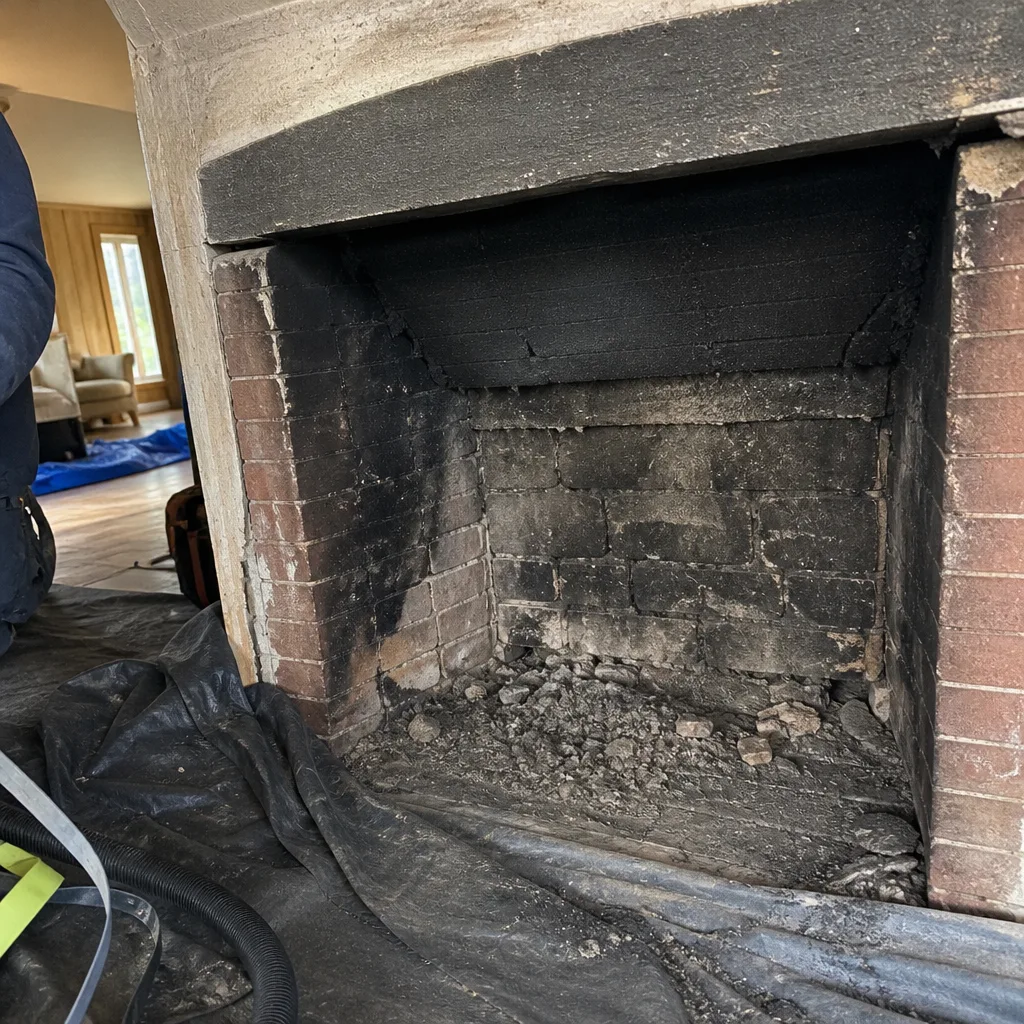 Before
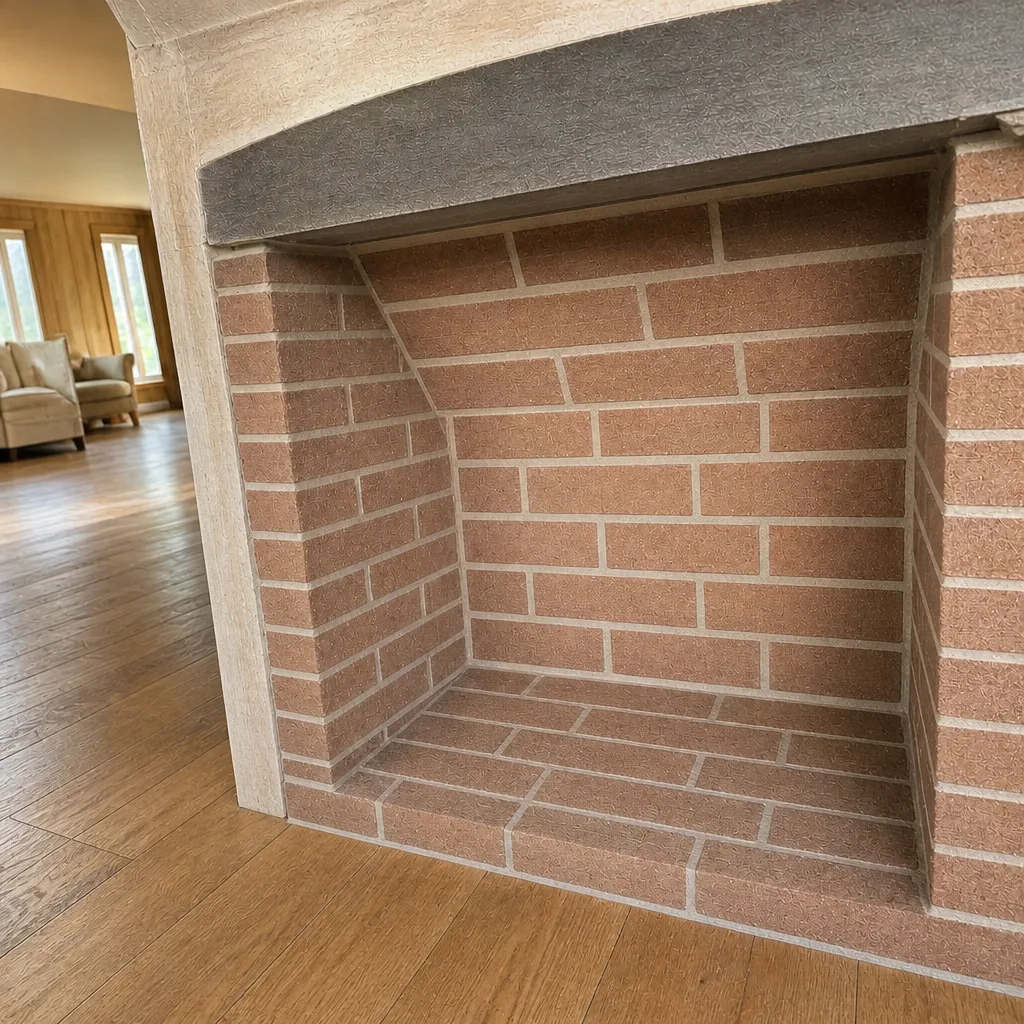 After
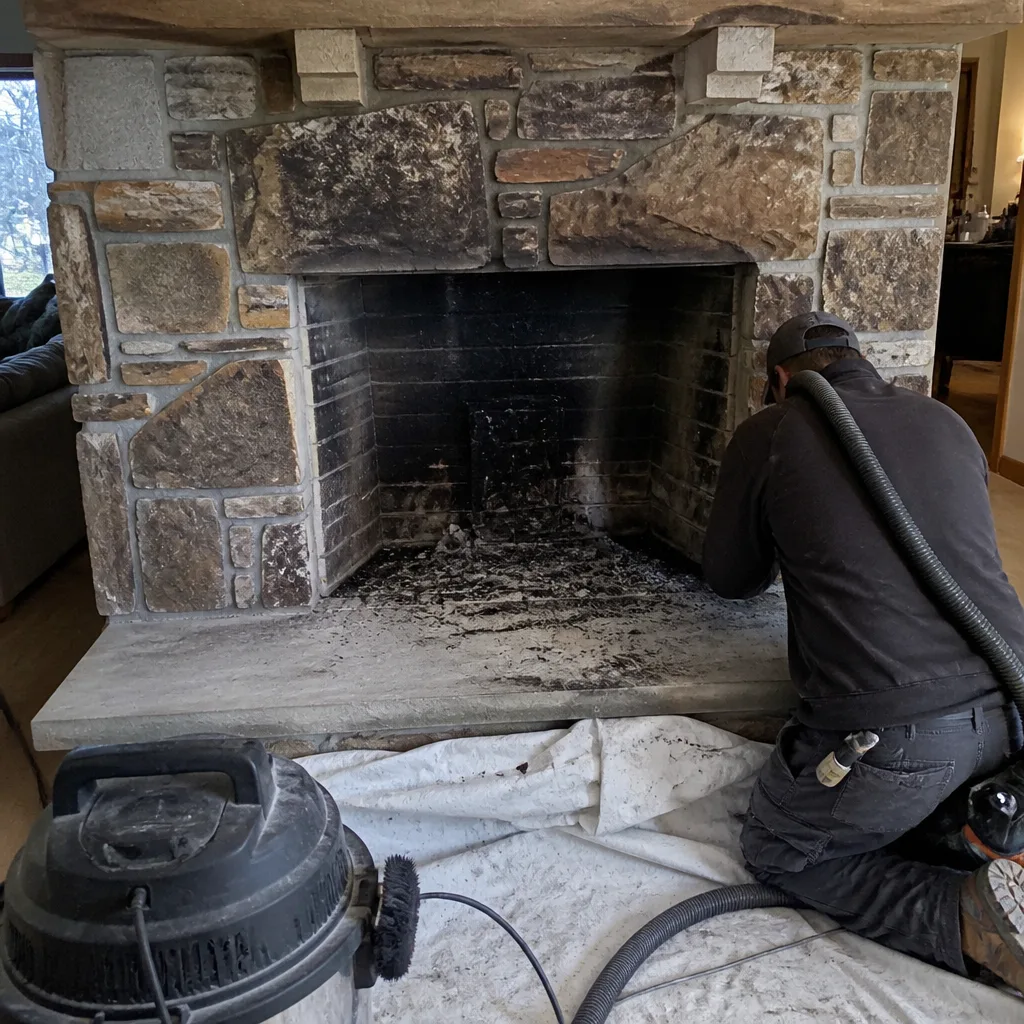 Before
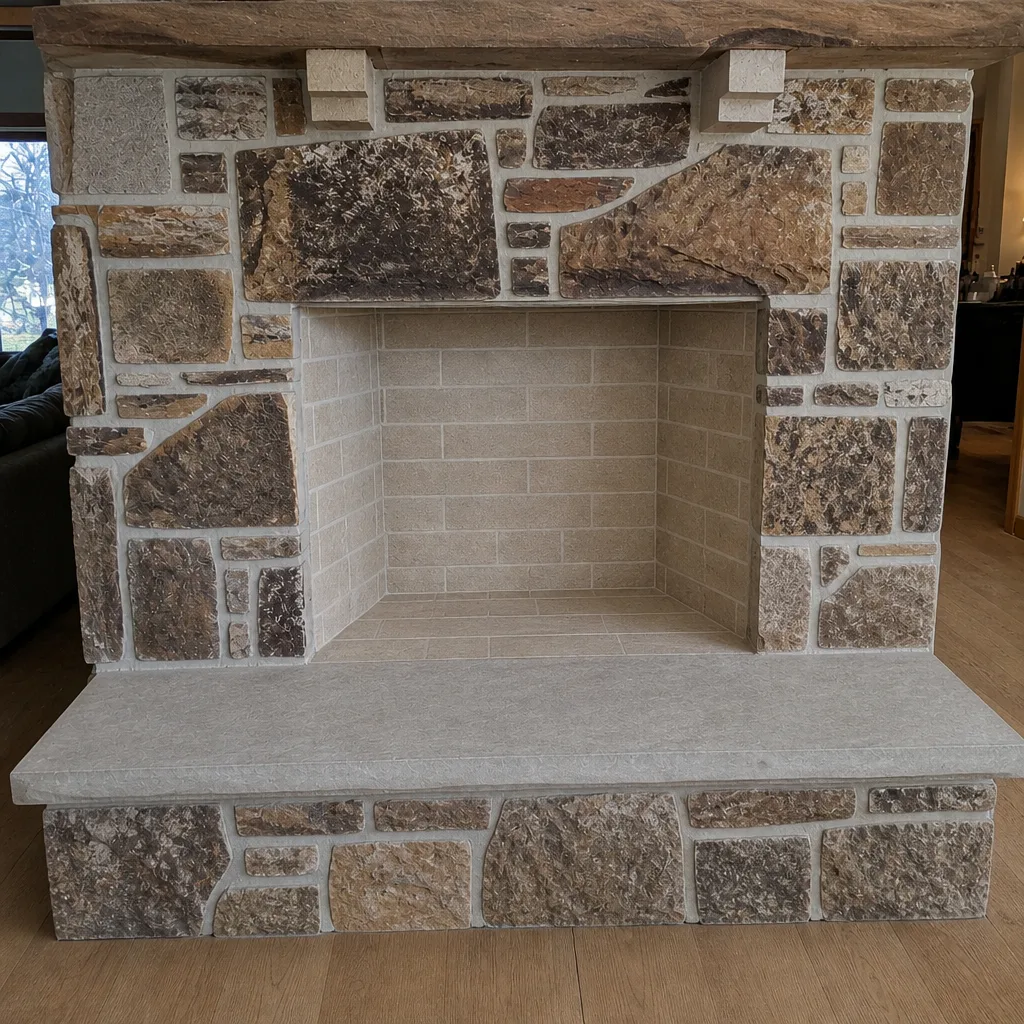 After
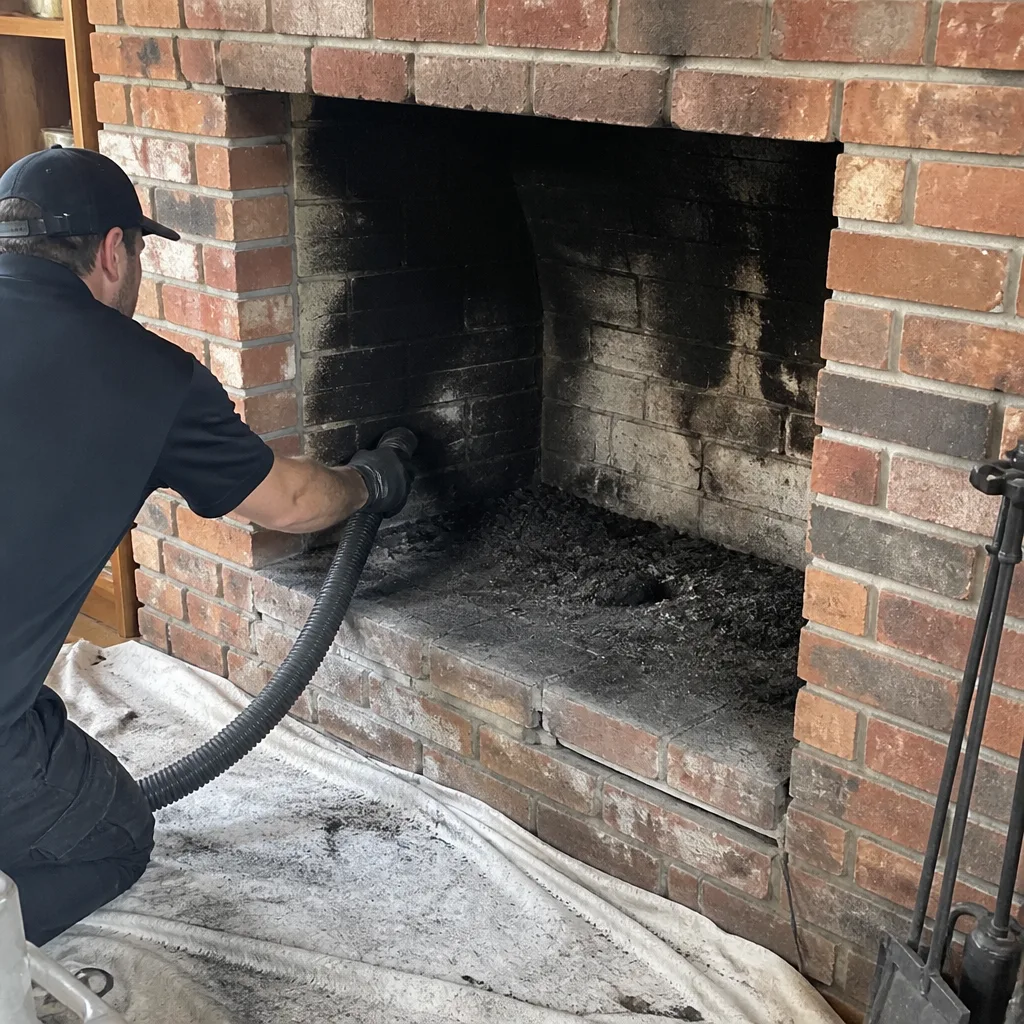 Before
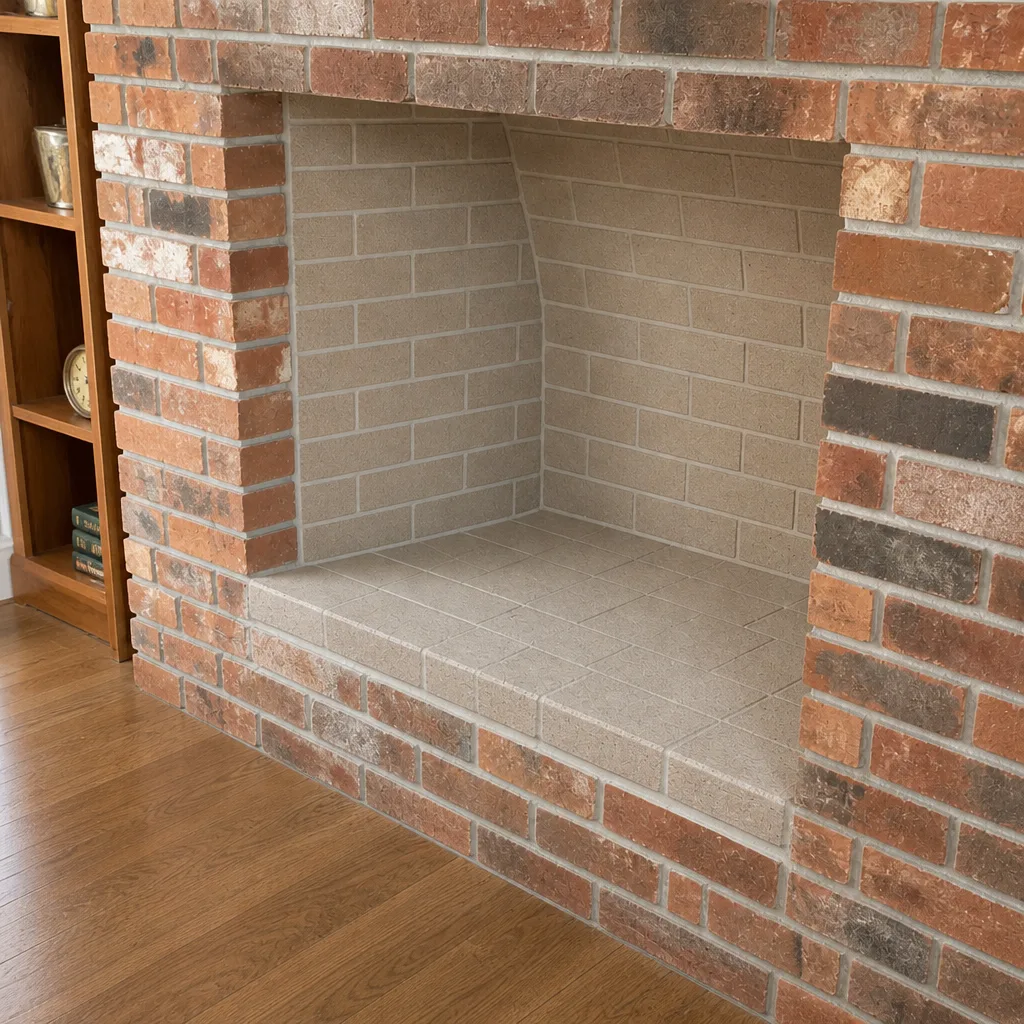 After
HeatShield Products We Service & Install in Highlands
We work with the HeatShield materials that make up a lined flue system and the repairs around them. That includes HeatShield Ceramic Glaze, the standard mix used to resurface a flue and restore a smooth, protected lining. HeatShield InsulMix is the insulating blend that matters on exterior chimneys here, where a flue runs up an outside wall and cold temperatures on the far side of the masonry change how the lining behaves. HeatShield CrownSeal is the crown repair compound we use when a failing crown is the water source behind glaze damage. And HeatShield Primer is the bonding agent that decides whether a resurfacing job holds at all. We inspect, clean and maintain all of these, and when a section genuinely needs re-coating, we install it.
We Also Service These Brands
We’re not locked into one product line. Alongside HeatShield, we work with DuraFlex flexible liner systems, which handle the offset and complex flue configurations common in older Highlands homes that rigid liners can’t navigate, and with Gelco. When a HeatShield lining has failed past the point of repair, having DuraFlex and Gelco in the same toolkit means the reline recommendation is based on what fits your chimney, not on what we happen to sell.
FAQs – HeatShield Chimney Cleaning Service in Highlands
No. We are an independent HeatShield service provider and we are not authorized, sponsored or endorsed by HeatShield. We’ve built our knowledge of the product through training on its application method and through working on HeatShield-lined flues, not through a manufacturer affiliation.
Yes, with the right technique. A HeatShield lining can be swept, but not with a heavy-handed rotary head run hard against the glaze, and not without checking the lining’s condition first. We inspect before we sweep in Highlands for exactly this reason. If the glaze is already spalling or debonded, sweeping first can make it worse.
A camera inspection tells you both. HeatShield has a smooth ceramic appearance that reads differently from bare clay tile on camera, and the same inspection shows whether the glaze is bonded, spalled or cracked. If you’ve never had the flue looked at, book a Level 2 inspection rather than a plain sweep and you’ll get the answer in one visit.
White chalky flakes are usually spalled ceramic glaze, and the cause is almost always water. A cracked crown or failed flashing lets moisture wick behind the lining, and freeze-thaw pushes the glaze off. It’s not a cosmetic issue and it doesn’t fix itself. Call (844) 443-4562 for an inspection before the next burn season.
It often is. An exterior chimney here runs through cold, snowy winters with frequent high-wind events off the foothills, and the temperature difference across the masonry changes how the lining behaves. InsulMix is the insulating blend for exactly that situation. Whether your flue needs it depends on the configuration, and an inspection settles it.
Proper service shouldn’t, and careless service can. Warranty-safe work means using the genuine HeatShield materials the lining was built around, applying them to the manufacturer’s specified thickness, and keeping records of what was done. We work that way, and we hand you the documentation. What we can’t do is speak for the manufacturer’s terms.
It depends far more on water and burning habits than on a clock. A lining kept dry under a sound crown lasts well. One with an uncapped flue or a cracked crown in a freeze-thaw climate like Highlands will degrade faster, and the top of the flue goes first. Annual inspection is how you catch it early enough for a touch-up instead of a reline.
It depends on the job: a sweep with a camera inspection is a different scope from a crown repair plus a re-coat of part of the flue. We don’t quote a number before we’ve seen the lining. The estimate is free and the written estimate sets the final price, with nothing added afterward. Call (844) 443-4562 for an exact quote. Estimates are free.
Book Your HeatShield Service in Highlands, CO
Whether your HeatShield lining needs a careful sweep, a crown repair, or an honest answer about whether a re-coat will hold, start with a camera inspection and a written report you can read for yourself. Call (844) 443-4562 for a free estimate. We answer 24/7. Fast dispatch from 7am to 7pm, Sunday through Friday.
Written by the team at Chimney Sweep Highlands.